

Working Principle and Characteristics of Organic Fertilizer Pneumatic Conveying
Organic fertilizer pneumatic conveying represents a critical technology in contemporary agriculture and fertilizer processing, enabling the efficient transport of organic materials such as compost, manure, and other bio-based substances. This method harnesses fluid dynamics principles by utilizing air or gas as the conveying medium within a closed pipeline system. Grasping its operational mechanism and key attributes is vital for optimizing operational efficiency and fostering sustainable agricultural practices.
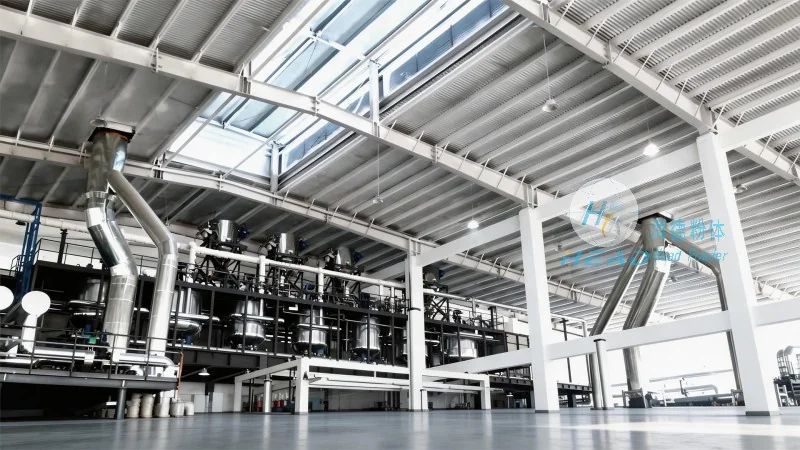
Working Principle of Organic Fertilizer Pneumatic Conveying
The fundamental operation of organic fertilizer pneumatic conveying revolves around establishing a pressure differential within a closed pipeline network. Air is introduced via a blower or fan, generating a flow with sufficient velocity to entrain organic particles. As air travels through the pipeline, it carries the fertilizer particles along, effectively moving them from the source to the destination. The process comprises several stages: material feeding, air injection, conveying, and discharge. During feeding, organic material enters the pipeline, often aided by a hopper or feeder. Controlled air injection then creates a consistent flow. The conveying stage relies on air's kinetic energy to move particles, while discharge involves regulating air flow to release material at the receiving end. Systems operate under positive pressure (pipeline pressurized above atmospheric) or negative pressure (slightly vacuumed). Positive pressure systems are favored for long-distance, high-capacity transport due to reliability and efficiency, whereas negative pressure systems suit shorter distances or materials sensitive to pressure changes.
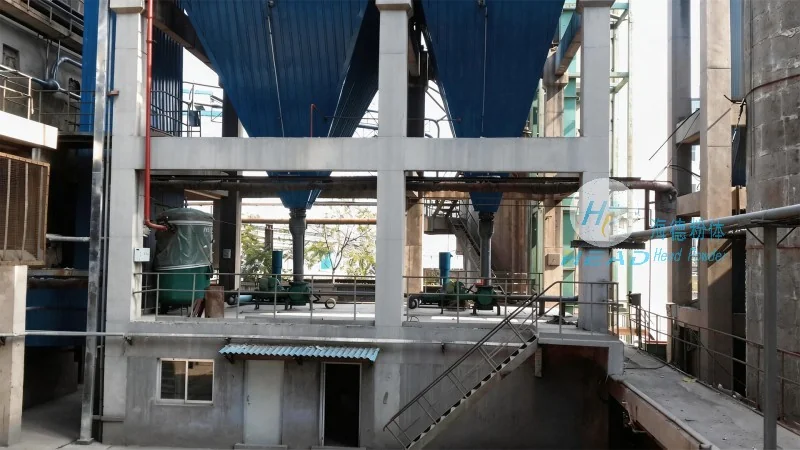
Key Characteristics of Organic Fertilizer Pneumatic Conveying Systems
Organic fertilizer pneumatic conveying systems exhibit several distinct characteristics beneficial for modern agricultural applications. First, they deliver high conveying efficiency, transporting large volumes over significant distances with lower energy consumption compared to traditional methods like belt conveyors or trucks. This efficiency is crucial for large-scale farms and fertilizer plants, where material handling costs impact overall expenses. Second, the system offers layout flexibility, with pipelines configurable in various shapes and directions, allowing integration into existing facilities without major structural changes. This adaptability accommodates diverse site conditions and operational needs. Third, the technology excels at handling organic fertilizers—sticky, dusty, or moist materials. Air flow breaks agglomerates and maintains consistent flow, preventing blockages and ensuring smooth operation. Fourth, the system is environmentally friendly and hygienic. Unlike open-air handling, which causes dust and odor issues, pneumatic conveying keeps materials enclosed, reducing environmental impact and enhancing workplace safety. This is vital for meeting modern regulations and maintaining clean environments. Fifth, the system proves cost-effective long-term. Although initial investment may exceed some traditional alternatives, reduced labor costs, lower energy use, and minimized material loss over time yield significant savings. Durability and low maintenance further contribute to overall cost-effectiveness.
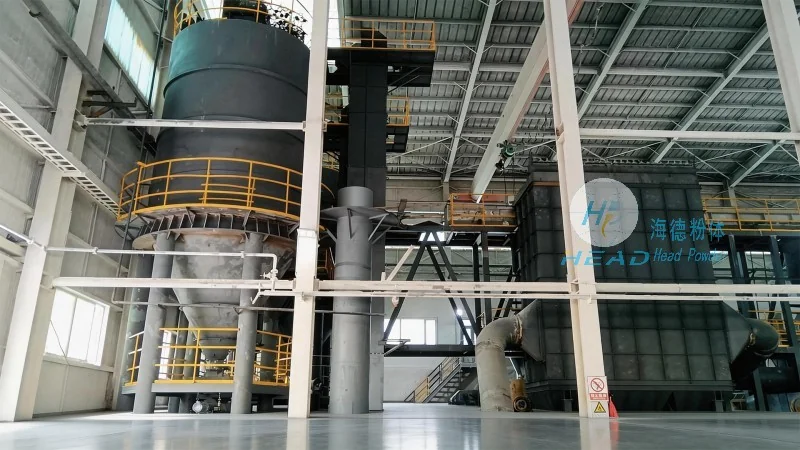
Applications and Benefits in Agricultural and Fertilizer Industries
Organic fertilizer pneumatic conveying systems are widely applied in agricultural and fertilizer industry settings. They are commonly used in composting facilities to transport raw organic waste from collection points to processing areas, then to storage or distribution sites. The system's capacity to handle large compost volumes makes it ideal for large-scale composting operations. In fertilizer production plants, pneumatic conveying transports raw organic materials from storage silos to processing equipment like mixers or granulators. This ensures consistent, controlled material feed, critical for producing high-quality organic fertilizers. The system also distributes finished organic fertilizers from production facilities to storage silos or directly to farms. Benefits include improved operational efficiency, reduced labor costs, and enhanced product quality. Additionally, the system's versatility in handling diverse organic materials—manure, sewage sludge, agricultural residues—makes it a solution for various agricultural and waste management scenarios.
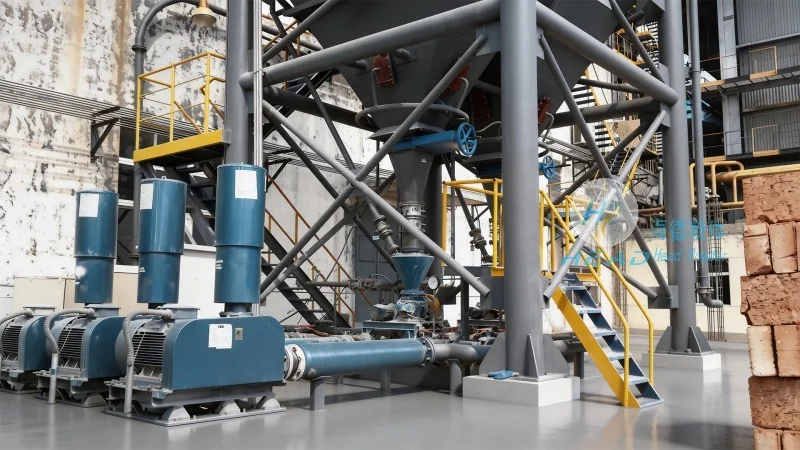
Company Information: Shandong HeadPowder Engineering Co., Ltd.
Shandong HeadPowder Engineering Co., Ltd., a leading provider of industrial conveying solutions, specializes in designing and manufacturing advanced organic fertilizer pneumatic conveying systems. Focused on innovation and customer satisfaction, the company has established itself as a trusted partner in the agricultural and fertilizer processing industry. HeadPowder's systems are engineered to meet client-specific needs, offering customized solutions that enhance operational efficiency and support sustainable agriculture. The company's headquarters is in Shandong, China, where it maintains a state-of-the-art R&D facility dedicated to improving conveying technologies. By leveraging years of experience and expertise, HeadPowder continues to provide high-quality, reliable equipment that meets evolving industry demands.