

Working Principle and Features of Slag Pneumatic Conveying Systems
Slag pneumatic conveying systems are essential in industrial processes for the efficient transportation of slag materials. These systems utilize air pressure to move bulk materials like slag from one location to another, offering a flexible and often cost-effective solution compared to traditional methods such as conveyor belts or trucks. Shandong HeadPowder Engineering Co., Ltd. (headpowder), a leading manufacturer in this field, specializes in designing and supplying high-quality pneumatic conveying systems tailored to the specific needs of industrial clients.
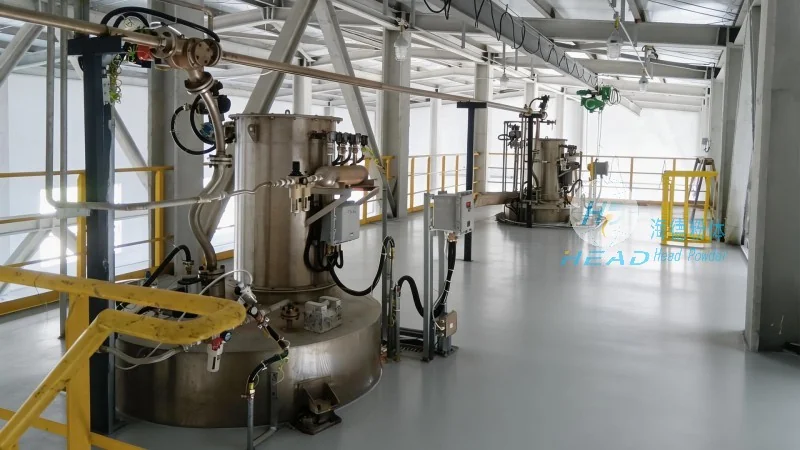
Working Principle of Slag Pneumatic Conveying Systems
The core mechanism of a slag pneumatic conveying system involves the use of compressed air to create a flow that transports the material through a pipeline. The process typically begins with the material being fed into a hopper or feeder, where it is then introduced into the conveying line. As compressed air is introduced into the system, it creates a low-pressure or high-pressure environment, depending on the design, which draws the slag particles along with the air. The air-slag mixture travels through the pipeline, often with the aid of bends, valves, and other components that help maintain the flow and prevent blockages. At the destination point, the air is separated from the slag, either through a cyclone separator or a filter, allowing the slag to be deposited while the air is either vented or recirculated. This process ensures that the material is transported efficiently and with minimal loss, making it suitable for various industrial applications.
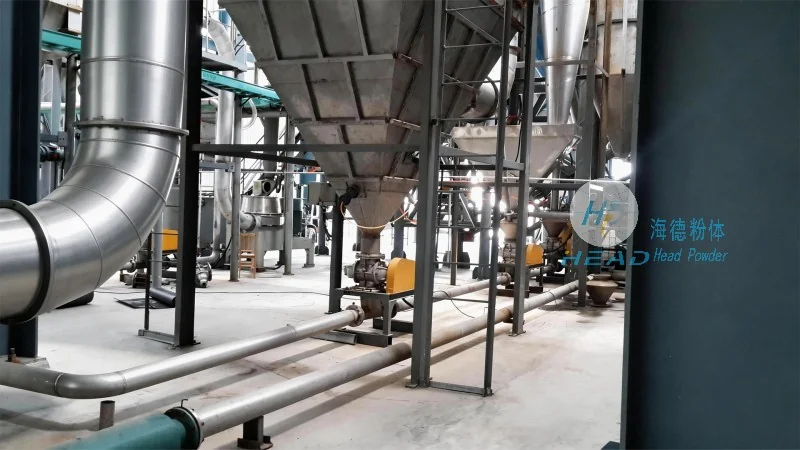
Key Features of Slag Pneumatic Conveying Systems
Slag pneumatic conveying systems offer several advantages that make them a preferred choice in many industries. One of the primary features is their ability to handle abrasive and heavy materials like slag without causing excessive wear on the equipment. The design of the system, including the selection of materials for the pipeline and components, is tailored to withstand the harsh conditions associated with slag transportation. Another notable feature is the flexibility in system layout, as pneumatic conveying systems can be easily adapted to different plant layouts and can accommodate changes in material flow requirements. Additionally, these systems are generally low maintenance, as they have fewer moving parts compared to mechanical conveyors, reducing the need for frequent repairs and downtime. The ability to transport materials over long distances without the need for intermediate storage or transfer points is another significant advantage, enhancing operational efficiency. Furthermore, the systems can be integrated with other industrial processes, such as dust collection and material processing, to create a comprehensive material handling solution. The environmental benefits are also a key feature, as pneumatic conveying systems can help minimize dust emissions and improve overall air quality in industrial settings.
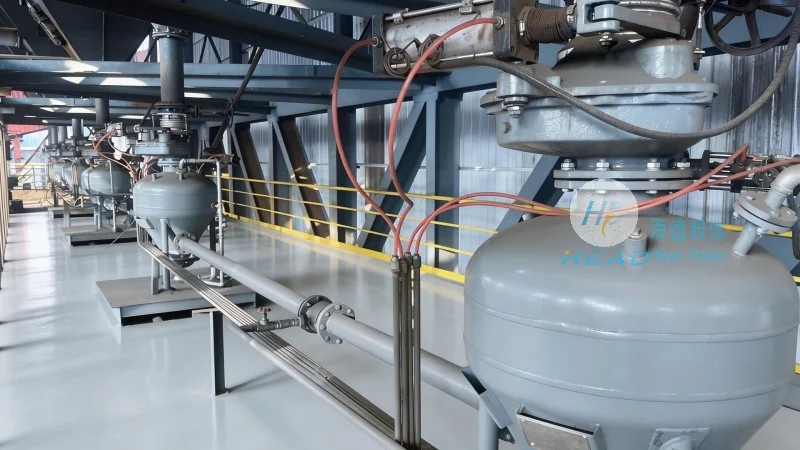
Applications and Considerations in Industrial Use
Slag pneumatic conveying systems are widely used in various industrial sectors, including steel manufacturing, cement production, and waste management. In steel plants, for example, slag is often transported from the blast furnace to storage or processing facilities, where it can be used as a raw material for cement or other construction products. The systems are also utilized in cement plants to handle slag as an alternative fuel or raw material, contributing to the production of sustainable cement. In waste management, these systems help in the transportation of slag from waste incineration plants to disposal or recycling sites. When implementing a slag pneumatic conveying system, several considerations are crucial for optimal performance. The selection of the appropriate conveying velocity is critical, as it affects the system's efficiency and the risk of material degradation. The design of the pipeline, including the diameter and material, must be carefully considered to prevent blockages and ensure smooth flow. Additionally, the air pressure and flow rate must be optimized to maintain the desired conveying capacity without causing excessive energy consumption. Regular maintenance and monitoring of the system components, such as the air compressor, filters, and separators, are essential to ensure long-term reliability and performance. By addressing these factors, industrial facilities can maximize the benefits of slag pneumatic conveying systems and achieve efficient material handling.