

Working Principle and Features of the Paddy Grain Pneumatic Conveying System
HeadPowder, a leading manufacturer of pneumatic conveying systems, specializes in providing efficient and reliable solutions for transporting paddy grains. This article delves into the working principle and key features of the paddy grain pneumatic conveying system, highlighting how it addresses the unique challenges of handling rice grains while ensuring optimal performance and operational efficiency.
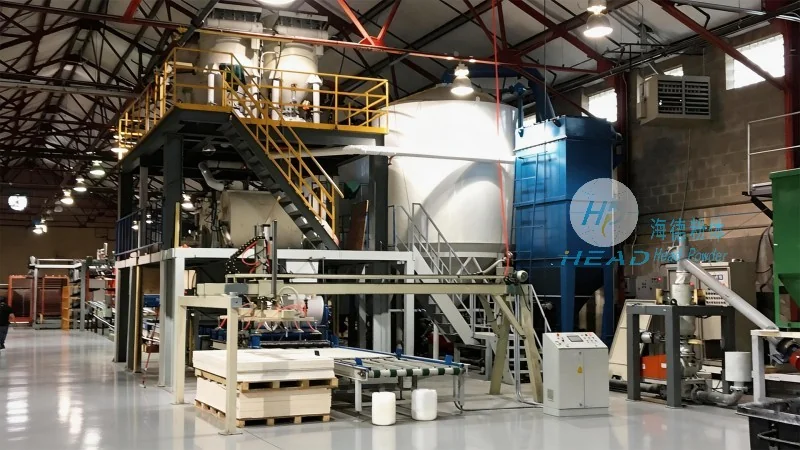
Company Background: Shandong HeadPowder Engineering Co., Ltd.
HeadPowder, operating from Shandong, China, is dedicated to advancing the technology of pneumatic conveying systems. With years of expertise in the field, the company has developed systems tailored to the specific requirements of the grain processing industry, ensuring that each solution meets the highest standards of performance, durability, and user-friendliness. The company's commitment to innovation and quality has made it a trusted name in the industry for delivering cutting-edge pneumatic conveying solutions.
The Working Principle of the Paddy Grain Pneumatic Conveying System
The paddy grain pneumatic conveying system operates on the principle of using air as the medium to transport bulk materials. In this system, paddy grains are drawn or pushed through a pipeline using compressed air or vacuum, depending on the specific design. The process typically involves several key components, including a hopper for material storage, a feeder to control the flow rate, a conveying line, and a discharge point. The system can be categorized into two main types: suction (or vacuum) conveying and pressure conveying, each with distinct operational characteristics.
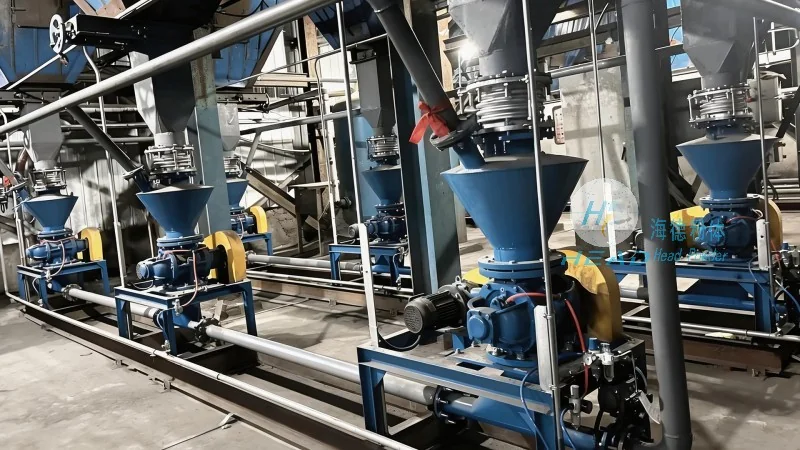
For paddy grain handling, suction conveying is often preferred due to its ability to draw materials from multiple points and its suitability for long-distance transport. The process begins with the paddy grains being loaded into the hopper. A rotary valve or other feeder then regulates the flow of grains into the conveying line. As the air is drawn through the line by a vacuum pump, it creates a negative pressure that pulls the grains along with the air stream. The mixture of grains and air travels through the pipeline until it reaches the discharge point, where the air is separated from the grains, typically using a cyclone or other separation equipment. This method is particularly effective for transporting paddy grains from storage silos to processing facilities or for moving them over longer distances with minimal energy consumption.
Pressure conveying, on the other hand, uses compressed air to push the paddy grains through the pipeline. In this system, the grains are loaded into a hopper and then fed into the conveying line under pressure. The compressed air is introduced at the discharge end of the line, creating a positive pressure that propels the grains forward. This method is often used for shorter distances or when the system needs to maintain a consistent flow rate. Both suction and pressure conveying systems can be integrated with various accessories, such as filters to remove dust, silencers to reduce noise, and monitoring systems to track the flow rate and pressure, ensuring smooth and efficient operation.
Key Features of the Paddy Grain Pneumatic Conveying System
The paddy grain pneumatic conveying system offers several advantages that make it an ideal choice for modern grain processing operations. One of the primary features is its high efficiency in transporting large volumes of paddy grains with minimal labor and space requirements. Unlike traditional mechanical conveying systems, which may require multiple components and extensive maintenance, the pneumatic system uses a single pipeline to transport materials, reducing the need for additional equipment and floor space.
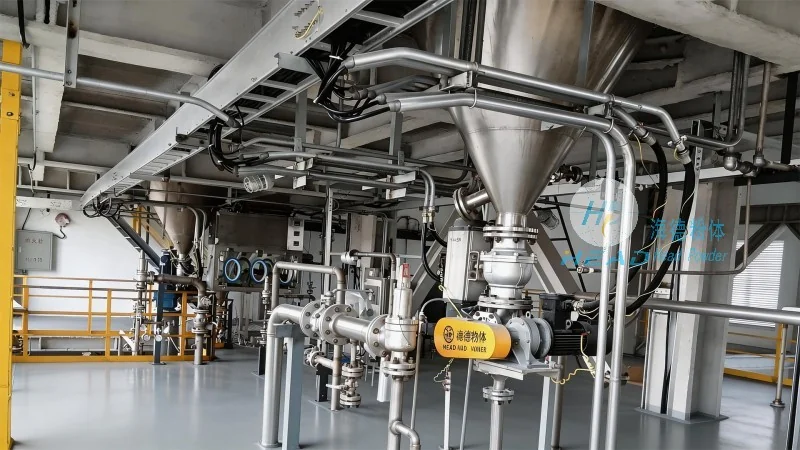
A key feature is the system's ability to maintain the quality of the paddy grains during transport. By using air as the conveying medium, the system minimizes the risk of mechanical damage or contamination. The gentle handling of the grains helps preserve their quality, ensuring that the final product meets the required standards for processing or consumption. This is particularly important for paddy grains, which are sensitive to handling and require careful transport to maintain their integrity.
Another significant feature is the system's flexibility and adaptability. The pneumatic conveying system can be easily customized to meet the specific needs of different grain processing facilities. Whether the goal is to transport paddy grains from a storage silo to a milling machine, or to move them between different processing stages, the system can be configured to handle various flow rates and distances. The modular design of the system allows for easy expansion or modification as the processing needs change, providing long-term value and adaptability.
The system also offers enhanced safety and hygiene compared to traditional conveying methods. By eliminating the need for manual handling of bulk materials, the pneumatic system reduces the risk of accidents and exposure to dust or other contaminants. The enclosed pipeline design prevents dust from escaping into the environment, contributing to a cleaner and safer workplace. This is especially beneficial in grain processing facilities, where dust control is a critical aspect of maintaining operational safety and compliance with environmental regulations.
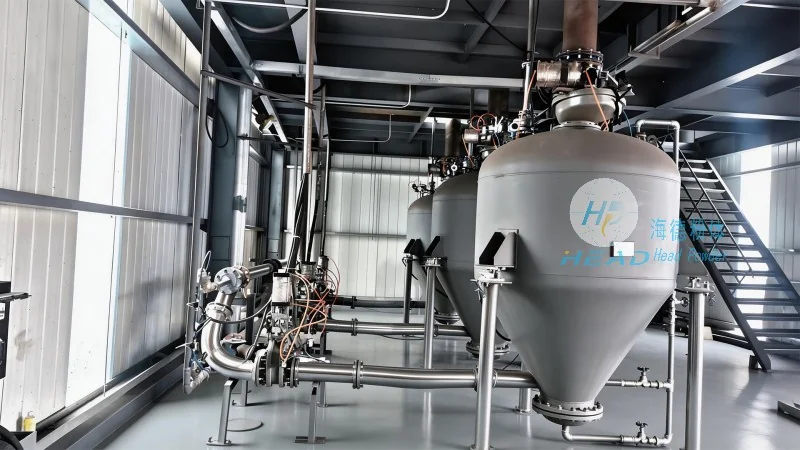
In addition to these features, the paddy grain pneumatic conveying system is designed for durability and low maintenance. The components are constructed from high-quality materials that can withstand the abrasive nature of paddy grains and the constant exposure to air and moisture. Regular maintenance, such as cleaning filters and checking for air leaks, is typically minimal, reducing downtime and operational costs. The system's reliability ensures consistent performance over extended periods, making it a cost-effective solution for long-term grain processing operations.
Conclusion
HeadPowder's paddy grain pneumatic conveying system combines advanced technology with practical design to deliver efficient, reliable, and cost-effective transport solutions for the grain processing industry. By understanding the working principle and leveraging the key features of this system, grain processing facilities can optimize their operations, improve product quality, and enhance overall efficiency. With its commitment to quality and innovation, Shandong HeadPowder Engineering Co., Ltd. continues to provide industry-leading solutions that meet the evolving needs of the grain processing sector.