

Working Principle and Features of Sintered Dust Pneumatic Conveying Equipment
Understanding the working principle and features of sintered dust pneumatic conveying equipment is crucial for industries dealing with bulk material handling, particularly in the metallurgical sector. This equipment plays a vital role in efficiently transporting sintered dust, a byproduct of sintering processes, from one location to another while maintaining operational efficiency and environmental compliance. In this context, we explore the core mechanisms behind these systems and highlight the key characteristics that make them indispensable in modern industrial applications.
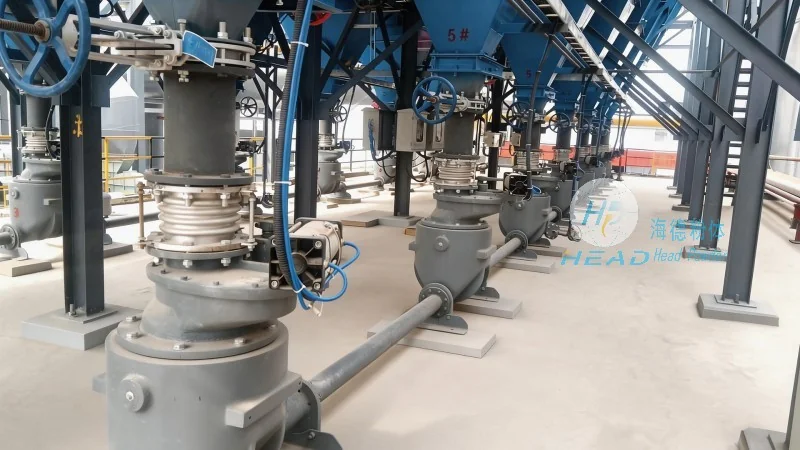
HeadPowder, a leading engineering company based in Shandong, China, specializes in the design, manufacturing, and supply of advanced pneumatic conveying solutions tailored to the unique needs of sintering operations. With a strong commitment to innovation and quality, HeadPowder has established itself as a trusted partner for businesses seeking reliable equipment for handling sintered dust. The company’s expertise lies in developing customized solutions that optimize material flow, reduce downtime, and enhance overall productivity in industrial settings.
Working Principle of Sintered Dust Pneumatic Conveying Equipment
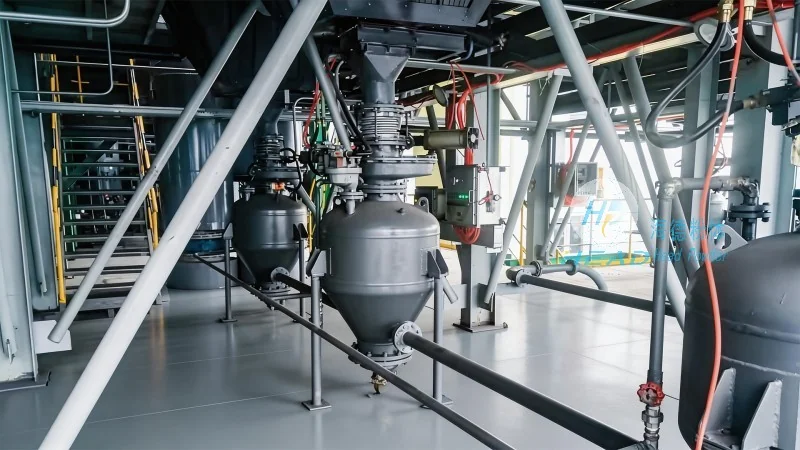
The fundamental working principle of sintered dust pneumatic conveying equipment revolves around the use of air to transport particulate materials through a pipeline system. This process typically involves either a suction or pressure system, depending on the specific application and material characteristics. In a suction system, a vacuum is created at the material inlet to draw the sintered dust into the conveying line. The air, along with the dust particles, is then transported to the discharge point, where the air is separated from the material and either recirculated or vented. Conversely, a pressure system uses compressed air to push the material through the pipeline, which is often more suitable for longer distances or when the material is more abrasive. The core components of such systems include a material feed hopper, a conveying line (usually made of stainless steel or other corrosion-resistant materials to handle the dust's chemical properties), a dust separator (to separate the air from the material), and a control system to regulate the flow and pressure.
During operation, the sintered dust is introduced into the feed hopper, where it is mixed with the conveying air. The air velocity within the pipeline is maintained at a level sufficient to keep the dust particles suspended and prevent deposition or blockage. The design of the conveying line, including its diameter and length, is critical to ensuring efficient transport without excessive energy consumption. The dust separator, often a cyclone or bag filter, separates the air from the material, allowing the sintered dust to be collected in a designated container. This separation process is essential for maintaining air quality and preventing dust emissions into the environment, aligning with environmental regulations and promoting workplace safety.
Key Features of Sintered Dust Pneumatic Conveying Equipment
Several key features distinguish sintered dust pneumatic conveying equipment from other material handling methods, making it a preferred choice for many industries. One of the most significant advantages is its ability to handle fine, abrasive, or dusty materials without the need for mechanical components like belts or buckets, which are prone to wear and maintenance issues. This reduces operational costs and extends the equipment's lifespan. Additionally, pneumatic conveying systems offer high flexibility in terms of layout, as they can be installed in various configurations, including vertical, horizontal, or a combination of both, to accommodate different plant layouts and space constraints.
Another notable feature is the system's efficiency in terms of energy consumption. Modern pneumatic conveying equipment, particularly those designed by HeadPowder, incorporates advanced control technologies to optimize air usage, minimizing energy waste while maintaining optimal material transport. This not only reduces operational costs but also contributes to lower carbon emissions, aligning with sustainability goals. Furthermore, the equipment is designed for easy maintenance and cleaning, with features such as quick-release connections and easy access to internal components, allowing for efficient troubleshooting and maintenance without extensive downtime.
Environmental friendliness is another critical feature of these systems. By effectively containing and separating the sintered dust from the conveying air, the equipment minimizes dust emissions, reducing the risk of air pollution and ensuring compliance with environmental regulations. This is achieved through the use of high-efficiency dust separators and proper ventilation systems, which capture and filter the dust particles before releasing the air back into the environment. The result is a cleaner working environment and reduced impact on the surrounding ecosystem.
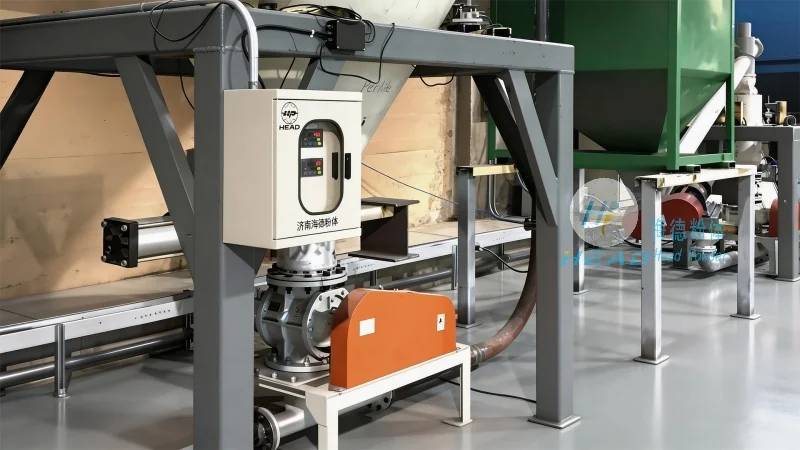
Reliability and durability are also key characteristics of sintered dust pneumatic conveying equipment. The materials used in the construction of the conveying line, such as stainless steel, are resistant to corrosion and wear, ensuring long-term performance even in harsh industrial conditions. The control systems are equipped with safety features to prevent overpressure or vacuum conditions, protecting both the equipment and the operators. HeadPowder's commitment to quality ensures that their equipment is built to withstand the demands of continuous operation, providing consistent performance over extended periods.
Conclusion and Application in Industrial Settings
Sintered dust pneumatic conveying equipment, with its efficient working principles and distinct features, offers a reliable and effective solution for handling sintered dust in various industrial applications. The ability to transport fine materials without mechanical contact, combined with energy efficiency and environmental benefits, makes it an ideal choice for industries such as steel production, where sintering is a critical step in the production process. HeadPowder's expertise in designing and manufacturing these systems ensures that clients receive equipment tailored to their specific requirements, optimizing material flow and reducing operational costs.
By understanding the working principle and leveraging the key features of sintered dust pneumatic conveying equipment, industries can enhance their material handling processes, improve productivity, and meet environmental standards. The combination of advanced engineering, quality materials, and innovative design by HeadPowder positions their equipment as a leading solution in the market, providing long-term value and reliability for businesses operating in the sintering and bulk material handling sectors.