

Working Principle and Features of a Limestone Pneumatic Conveying System
HeadPowder, a leading provider of industrial conveying solutions, specializes in the design and manufacturing of limestone pneumatic conveying systems. Based in Shandong, China, the company has established itself as a trusted partner for businesses seeking efficient and reliable material handling equipment. This article delves into the working principle and key features of a limestone pneumatic conveying line, offering insights into how such systems operate and their advantages in industrial applications.
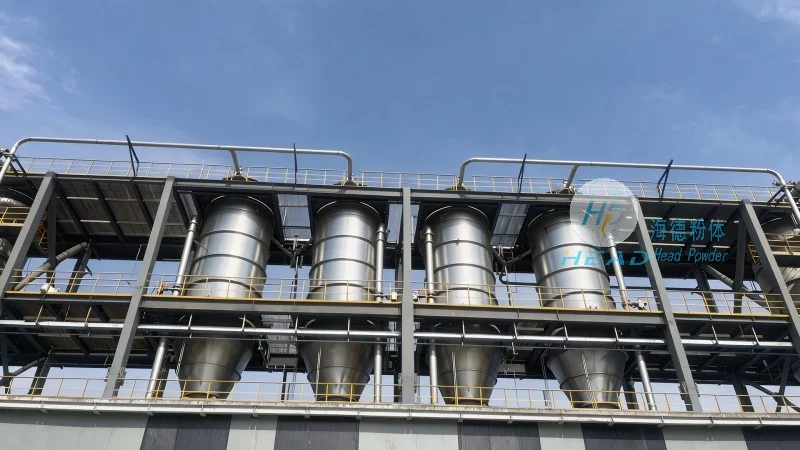
Understanding the Working Principle of a Limestone Pneumatic Conveying System
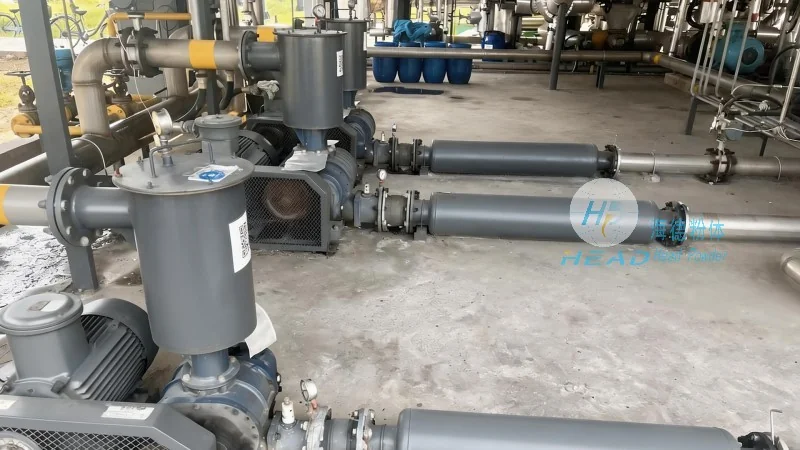
A limestone pneumatic conveying system utilizes air or gas as the primary medium to transport limestone particles from a source to a destination. The core mechanism involves the creation of a pressure differential that propels the material through a pipeline. The process typically begins with the limestone being fed into a hopper or silo, where it is then drawn into a venturi or a rotary airlock. The air, often supplied by a blower or a fan, is introduced into the system, creating a low-pressure zone that pulls the limestone particles into the pipeline. As the air and material mixture moves through the pipeline, the velocity of the air ensures that the particles remain suspended, preventing blockages and ensuring smooth transport. The system may include various components such as cyclones, filters, and silos to separate the limestone from the air and store it at the destination. The entire process is controlled by a system of valves, sensors, and control panels that regulate the flow rate, pressure, and air volume to maintain optimal performance.
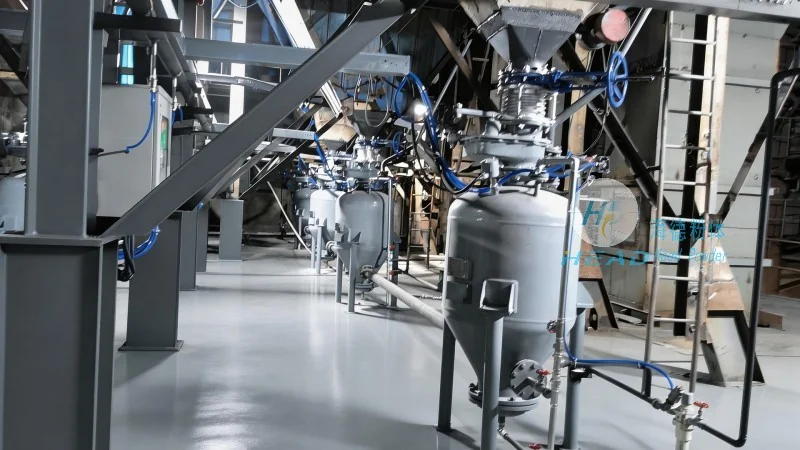
Key Features of a Limestone Pneumatic Conveying System
HeadPowder's limestone pneumatic conveying systems are engineered with several notable features that enhance their performance and reliability. One of the primary advantages is the ability to transport limestone over long distances without the need for intermediate transfer points, which reduces operational costs and improves efficiency. The systems are designed to handle a wide range of limestone particle sizes and moisture content, making them versatile for various industrial applications. Additionally, the use of air as the conveying medium allows for a dust-free environment, which is crucial for maintaining air quality and compliance with environmental regulations. The systems also feature robust construction with corrosion-resistant materials, ensuring durability and longevity in demanding industrial settings. Another key feature is the integration of advanced control systems that provide real-time monitoring and automation, allowing for precise control over the conveying process and minimizing downtime. The systems are further equipped with safety features such as pressure relief valves and emergency shut-off mechanisms to ensure safe operation and protect personnel and equipment.
Applications and Benefits in Industrial Settings
Limestone pneumatic conveying systems are widely used in various industries, including construction, cement production, and chemical processing. In the cement industry, for example, these systems are essential for transporting limestone from storage facilities to the raw material preparation area, where it is used as a primary ingredient in cement production. The efficiency of the system reduces the time and labor required for material handling, leading to increased productivity and lower operational costs. In construction projects, limestone is often used as a raw material for concrete production, and pneumatic conveying systems enable the quick and reliable transport of limestone to the construction site. The dust-free operation of the system also contributes to a safer working environment, reducing the risk of respiratory issues among workers. Furthermore, the ability to handle large volumes of material at high speeds makes these systems ideal for high-demand industrial applications, where speed and reliability are critical. The systems also contribute to environmental sustainability by minimizing the need for manual handling and reducing the amount of dust released into the air, thereby improving air quality and reducing the environmental impact of industrial operations.
Conclusion
HeadPowder's limestone pneumatic conveying systems represent a sophisticated and efficient solution for material handling in industrial applications. By understanding the working principle and leveraging the key features of these systems, businesses can enhance their operational efficiency, reduce costs, and improve safety. The company's commitment to quality and innovation ensures that its systems are designed to meet the specific needs of each client, providing reliable and durable solutions that stand the test of time. With its headquarters in Shandong, China, HeadPowder continues to be a leader in the field of industrial conveying, offering cutting-edge solutions that drive industrial progress and sustainability.