

Working Principle and Features of Iron Fines Powder Conveying System
Iron fines powder conveying systems are essential in industrial applications where the efficient and safe transport of iron powder is required. These systems are designed to handle the unique properties of iron fines, such as their fine particle size, potential for dust generation, and magnetic characteristics. The following sections will explore the working principle and key features of such systems, providing insights into their design and operational benefits.
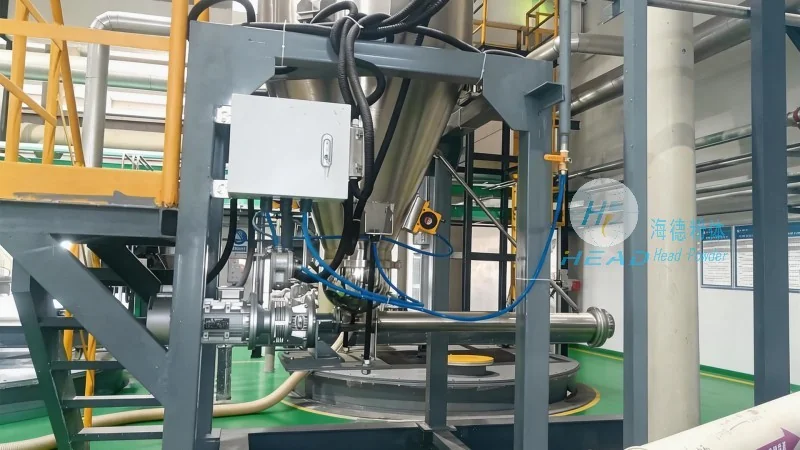
Working Principle of Iron Fines Powder Conveying Systems
The core working principle of an iron fines powder conveying system involves the use of specialized equipment to move iron powder from a source to a destination. The process typically begins with the feeding of iron fines into a hopper or storage container. From there, the material is transferred through a series of components, including feeders, conveyors, and control mechanisms. The system may employ various technologies such as pneumatic conveying, mechanical conveying, or a combination of both, depending on the specific requirements of the application. Pneumatic conveying, for instance, uses compressed air to create a flow that transports the powder through pipes, while mechanical conveyors rely on belts, screws, or buckets to move the material. The choice of method is influenced by factors like the volume of material, distance to be conveyed, and the need for dust control. In many cases, the system incorporates a control panel that monitors and regulates the flow rate, pressure, and other parameters to ensure smooth operation and prevent blockages or overloading.
Key Features of Iron Fines Powder Conveying Systems
Iron fines powder conveying systems are characterized by several key features that enhance their performance and reliability. One of the primary features is the ability to handle fine particles without causing excessive wear or clogging. This is achieved through the use of materials and designs that minimize friction and particle attrition. For example, the conveying components may be made of stainless steel or other corrosion-resistant materials to prevent rust and maintain the purity of the iron fines. Additionally, the systems often include features like dust collection and filtration to ensure compliance with environmental regulations and to protect personnel from inhalation hazards. The control systems are another critical feature, as they allow for precise regulation of the conveying process, enabling adjustments based on real-time conditions. This includes the ability to adjust the air pressure or motor speed to accommodate changes in material flow or system load. Another important feature is the integration of safety mechanisms, such as emergency stop buttons and overload protection, to prevent accidents and equipment damage. The systems may also include monitoring sensors that provide feedback on the system's performance, such as pressure drops or flow rates, allowing for proactive maintenance and troubleshooting.
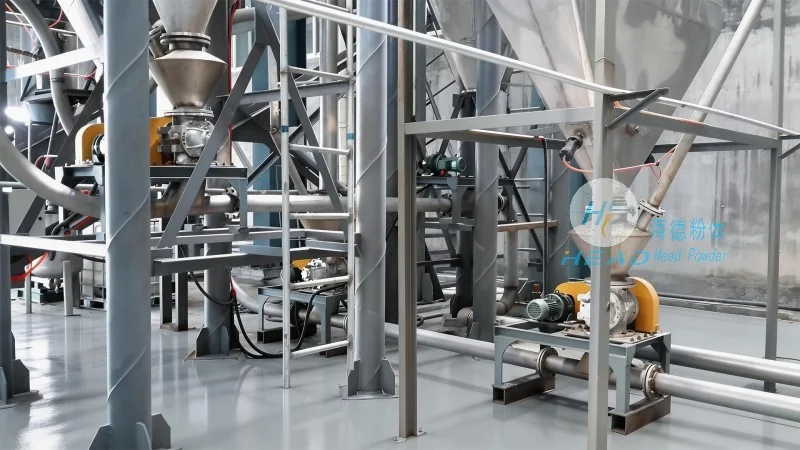
Application-Specific Considerations in Iron Fines Powder Conveying
The design of iron fines powder conveying systems must be tailored to the specific application and the characteristics of the iron fines being handled. For instance, in applications where the iron fines are used in the production of magnetic materials or in metalworking processes, the system must maintain the material's magnetic properties. This may require the use of non-magnetic or low-magnetic components to avoid interference with the material's characteristics. In other applications, such as in the chemical industry, the system may need to be designed to handle moisture or other contaminants, which could affect the performance of the iron fines. The distance and layout of the conveying path also play a role in system design. Longer conveying distances may require more powerful compressors or larger diameter pipes to maintain sufficient air pressure and prevent material degradation. The layout of the system, including the placement of hoppers, feeders, and discharge points, is also critical to ensure efficient material flow and minimize the risk of blockages. Furthermore, the system must be compatible with existing infrastructure and processes, integrating seamlessly with other equipment in the production line. This may involve considerations such as the integration of control systems with other plant-wide automation systems to ensure coordinated operation.
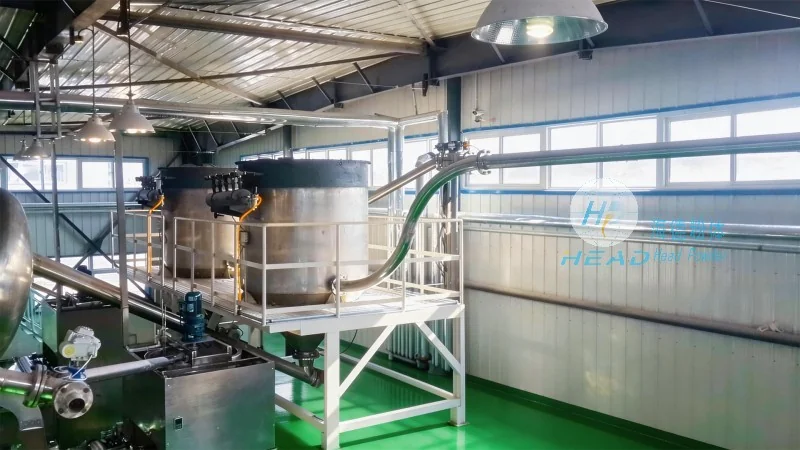
Advantages of Using Iron Fines Powder Conveying Systems
Implementing an iron fines powder conveying system offers several advantages for industrial operations. One of the main benefits is the improvement in material handling efficiency. By automating the transport of iron fines, the system reduces the need for manual handling, which can be labor-intensive and increase the risk of accidents or material contamination. This leads to increased productivity and reduced labor costs. Another advantage is the enhanced safety provided by the system. The enclosed design of the conveying equipment minimizes dust exposure and the risk of fire or explosion, which are common hazards in iron fines handling. The use of advanced control systems also contributes to safer operation by preventing overloading or other operational errors. Additionally, the systems can improve the quality of the iron fines by reducing particle degradation and contamination during transport. This is particularly important in applications where the purity and consistency of the material are critical, such as in the production of high-performance magnetic components or in the manufacturing of metal powders for additive manufacturing. The systems also offer flexibility in terms of material handling, allowing for the transport of different types of iron fines or the integration of additional processing steps, such as mixing or blending, into the conveying process.
Conclusion and Company Information
Iron fines powder conveying systems are sophisticated solutions that address the unique challenges of handling fine iron particles in industrial settings. By combining advanced engineering and material science, these systems provide reliable, efficient, and safe transport of iron fines. The working principle, which may involve pneumatic or mechanical conveying, is tailored to the specific needs of the application, ensuring optimal performance. Key features such as corrosion-resistant materials, dust control, and advanced control systems enhance the system's reliability and safety. The design of these systems is highly customizable, allowing for integration with existing production lines and adaptation to various application requirements. The advantages of using such systems include increased productivity, improved safety, and enhanced material quality. For businesses seeking to optimize their iron fines handling processes, investing in a well-designed conveying system is a strategic decision that can lead to long-term operational benefits. HeadPowder, a leading provider of engineering solutions, specializes in the design and manufacturing of iron fines powder conveying systems. With a focus on innovation and customer satisfaction, HeadPowder delivers high-quality systems that meet the diverse needs of industrial clients. HeadPowder is committed to providing reliable and efficient solutions for iron fines handling, supporting the success of its clients in various industries. Shandong HeadPowder Engineering Co., Ltd., located in Shandong, China, is the company behind HeadPowder's advanced engineering solutions. The company leverages years of experience and expertise to develop cutting-edge systems that enhance industrial productivity and safety. By partnering with HeadPowder, businesses can access state-of-the-art iron fines powder conveying systems that are tailored to their specific requirements, ensuring optimal performance and long-term value.