

Working Principle and Characteristics of Positive Pressure Dilute Phase Material Handling
Positive pressure dilute phase material handling represents a sophisticated method for transporting bulk materials, particularly powders and granules, over considerable distances. This technology is integral to numerous industrial sectors, including chemical, food, and pharmaceutical industries, due to its ability to deliver materials efficiently while preserving their integrity. The core concept involves utilizing a positive pressure system to create a dilute phase, where material particles are suspended in a gas stream, enabling smooth and continuous movement through pipelines. This approach contrasts with other material handling methods, such as dense phase or pneumatic conveying, by focusing on the dilute state of the material, which offers distinct advantages in terms of flow characteristics and system design. Developed by Shandong HeadPowder Engineering Co., Ltd. (headpowder), this technology has become a cornerstone for reliable bulk material transport in modern industrial applications.
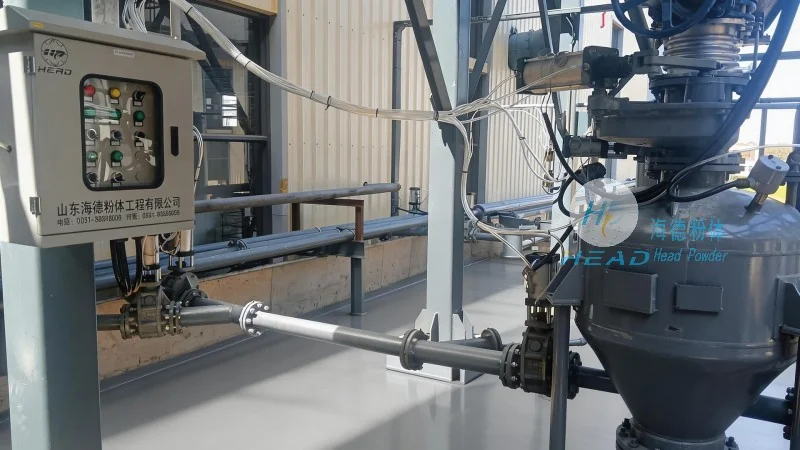
Working Principle of Positive Pressure Dilute Phase Material Handling
The operational principle of positive pressure dilute phase material handling is built upon a series of interconnected components and processes. Initially, the material is introduced into a hopper or feeder, where it is then fed into a pipeline. A high-pressure air or gas source, typically provided by a blower or compressor, generates the necessary force to suspend the material particles in the gas stream. This suspension forms a dilute phase, where the material is dispersed uniformly throughout the gas, allowing it to be transported with minimal resistance. The positive pressure ensures that the material is continuously propelled forward, preventing blockages and maintaining consistent flow rates. The system’s design is tailored to the specific properties of the material being handled—such as particle size, density, and moisture content—to optimize performance and minimize operational issues. For instance, fine powders may require higher air velocities to maintain suspension, while larger granules can be handled with lower velocities, highlighting the adaptability of the system.
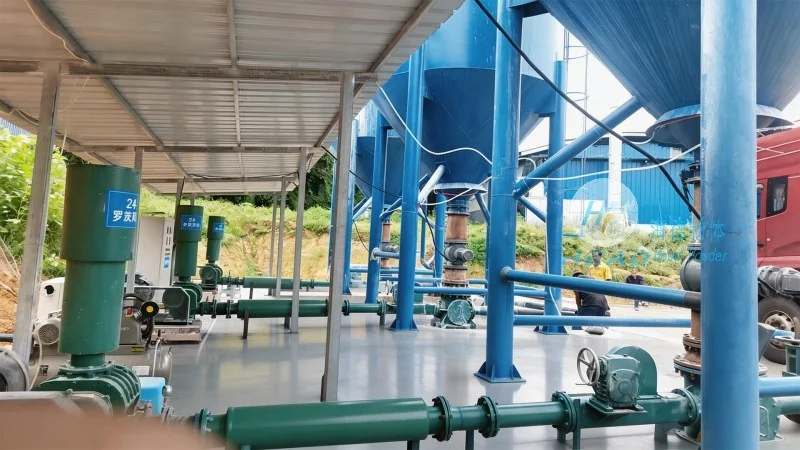
Key Characteristics of Positive Pressure Dilute Phase Material Handling
Positive pressure dilute phase material handling exhibits several defining characteristics that make it a preferred choice for many applications. One of the most notable advantages is its versatility in handling a wide range of materials, from fine powders to coarse granules, and even some liquid-based materials. The dilute phase ensures that the material particles are well-mixed with the gas, reducing the risk of agglomeration or caking, which can occur in other conveying methods. Another critical characteristic is the high throughput capacity, enabling the movement of large volumes of material over long distances in a short time frame. This efficiency is particularly valuable in large-scale industrial operations where continuous material flow is essential. The system also offers excellent control over the flow rate, allowing for precise regulation of material delivery to downstream processes, such as mixing or packaging. Additionally, the positive pressure design minimizes the risk of material degradation, as the material is not subjected to high shear forces or excessive pressure, which can be detrimental to sensitive products like pharmaceuticals or food ingredients. The compact nature of the system allows for easy integration into existing facilities, making it a flexible solution for both new and retrofit applications.
Applications and Benefits in Industrial Settings
Positive pressure dilute phase material handling is widely applied across various industrial settings, where the reliable transport of bulk materials is critical. In the chemical industry, it is used to move raw materials and intermediate products between processing units, ensuring a seamless supply chain. For example, in the production of fertilizers or chemicals, the system efficiently conveys powders from storage silos to reactors, maintaining consistent feed rates. In the food industry, it is employed to handle powders such as flour, sugar, and spices, preserving product quality and hygiene. The pharmaceutical industry also relies on this technology to transport active ingredients and other powders, adhering to stringent regulatory standards for purity and contamination control. Beyond material transport, the system contributes to improved operational efficiency and reduced downtime. By providing a reliable and efficient means of moving materials, it helps streamline production processes and enhance overall productivity. Furthermore, the positive pressure design reduces the need for manual handling, improving workplace safety and minimizing the risk of accidents, which is a significant advantage in industries with strict safety regulations.
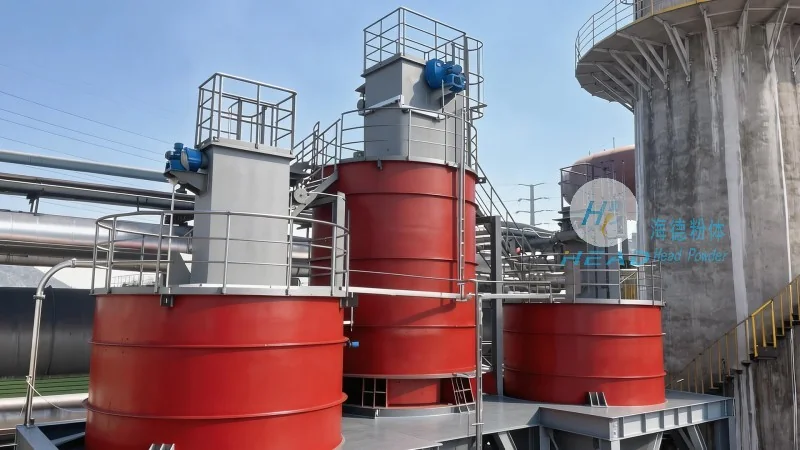
Technical Considerations and System Design
Implementing a positive pressure dilute phase material handling system requires careful consideration of several technical factors to ensure optimal performance and longevity. The selection of the appropriate blower or compressor is paramount, as it must generate sufficient pressure and air volume to maintain the dilute phase. The choice of equipment depends on the specific material characteristics and the distance over which it needs to be transported—for instance, longer distances may require higher pressure and more powerful compressors. The feeder system is another critical component, as it must accurately control the material flow rate, preventing overfeeding or underfeeding, which can lead to system inefficiencies or blockages. The design of the pipeline network is equally important, as it must be sized to handle the flow rates and pressures involved while minimizing pressure losses. The use of high-quality materials, such as stainless steel or corrosion-resistant alloys, for the pipeline and components is essential to prevent degradation and ensure durability, especially when handling corrosive or abrasive materials. Additionally, the system should incorporate monitoring and control devices, such as pressure sensors and flow meters, to track key parameters in real time. This allows for immediate adjustments and maintenance, ensuring the system operates within optimal conditions and reducing the risk of failures.