

Working Principle and Characteristics of Sawdust Material Transport
The working principle of sawdust material transport involves a multi-stage process designed to efficiently move wood waste from its source to the next stage of processing or storage. The process begins with the collection of sawdust from various sources, such as woodworking factories, sawmills, or wood processing plants. This raw material, characterized by its fine particle size and fibrous texture, is typically stored in a hopper or collection bin. The sawdust is then fed into a conveyor system through a feeding mechanism, which may include a rotary valve or a screw feeder. The conveyor, often a screw or belt type, uses mechanical energy to propel the sawdust along a predetermined path. As the material moves, it may pass through additional components such as classifiers or separators, which help to sort the sawdust based on size or moisture content. The entire system is controlled by a central unit that monitors flow rates, motor speeds, and system performance, ensuring consistent and reliable operation. This integrated approach allows for efficient handling of sawdust, minimizing downtime and maximizing throughput, while also maintaining the quality of the material.
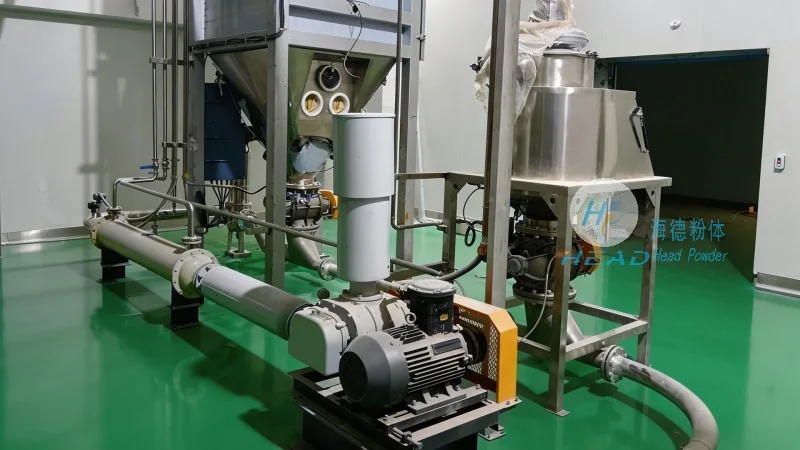
Key Components and Their Functional Roles
The effectiveness of a sawdust material transport system relies on the proper functioning of several critical components. The feed hopper is the first stage, responsible for collecting and temporarily storing the sawdust before it is fed into the conveyor. This component is designed with a sloped bottom to facilitate smooth material flow and prevent blockages. The conveyor itself is the primary transport mechanism, with screw conveyors being particularly suitable for fine, dry sawdust due to their ability to handle abrasive materials without excessive wear. Belt conveyors are also used in some applications, especially when transporting larger or wetter sawdust batches. Control systems, including sensors and variable frequency drives (VFDs), are integrated to regulate the speed and direction of the conveyor, adapting to changes in material volume or processing requirements. Additionally, dust collection and sealing systems are incorporated to minimize airborne particles and maintain a clean working environment. These components work in harmony to ensure the system operates efficiently and safely.
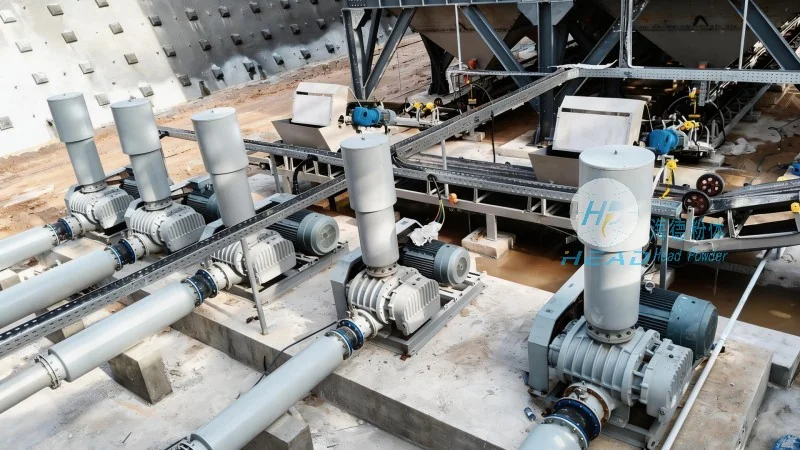
Characteristics that Define Sawdust Material Transport Systems
Several distinct characteristics set sawdust material transport systems apart from other material handling solutions. One of the most notable is the system's ability to handle fine, abrasive materials without causing significant wear to the equipment. This is achieved through the use of high-quality materials for the conveyor components, such as stainless steel or wear-resistant plastics, which resist corrosion and abrasion. Another key characteristic is the system's adaptability to varying sawdust properties, including different moisture levels and particle sizes. Modern systems are equipped with adjustable speed controls and moisture sensors, allowing operators to optimize performance under different conditions. The design also emphasizes energy efficiency, with VFDs used to regulate motor speed and reduce energy consumption. Furthermore, the integration of dust suppression mechanisms is a critical characteristic, as it helps to control air pollution and maintain a safe working environment. These features collectively contribute to the system's reliability, efficiency, and environmental compliance.
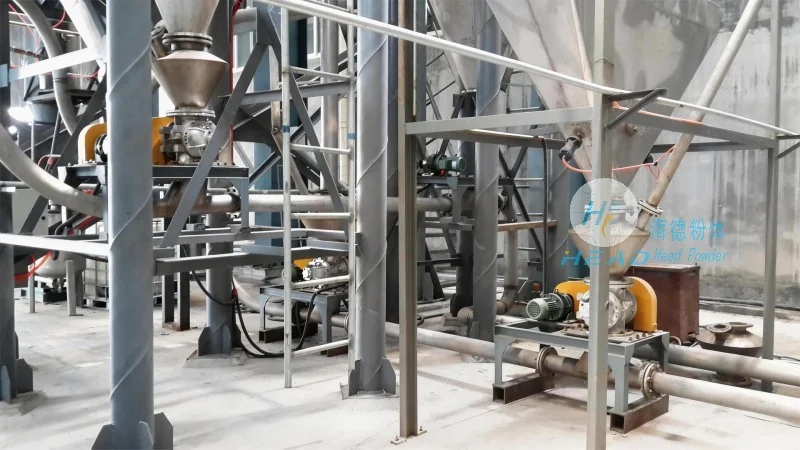
Advantages of Implementing Sawdust Material Transport Systems
Adopting a sawdust material transport system offers numerous benefits for industrial operations. The most significant advantage is the improvement in operational efficiency, as the system automates the material handling process, reducing the need for manual labor and minimizing material loss. This leads to higher productivity and lower operational costs. Another advantage is the enhanced workplace safety. By eliminating manual handling of sawdust, the system reduces the risk of respiratory issues and other health hazards associated with fine wood particles. Additionally, the system contributes to better environmental management by controlling dust emissions and preventing contamination of the surrounding area. The ability to integrate with other industrial processes, such as drying or pelletizing, further enhances the overall efficiency of the production line. For companies like Shandong HeadPowder Engineering Co., Ltd. (headpowder), these systems represent a key investment in optimizing their wood waste management processes, ensuring sustainable and efficient operations.