

Working Principle and Features of Soybean Material Handling Systems
Shandong HeadPowder Engineering Co., Ltd., a leading manufacturer in the field of material handling solutions, specializes in the design, development, and implementation of advanced soybean material handling systems. Based in Shandong, China, the company has established itself as a trusted partner for industries relying on efficient and reliable soybean processing. This article explores the working principle and key features of such systems, highlighting their importance in optimizing soybean handling operations.
Overview of Soybean Material Handling Systems
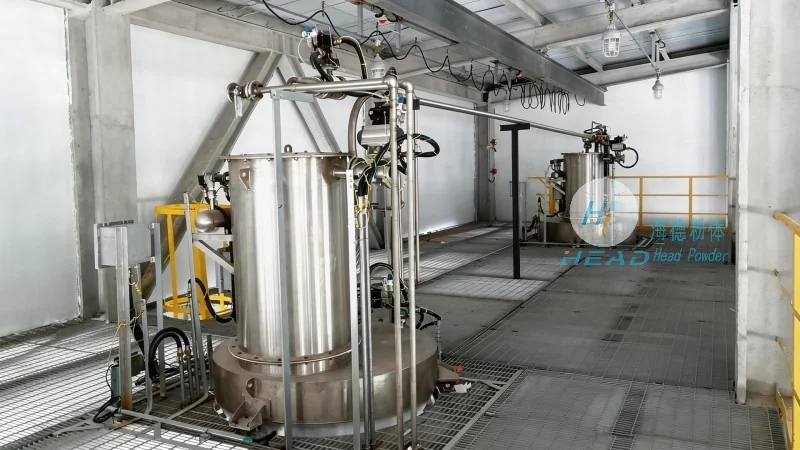
Soybean material handling systems are engineered to efficiently transport, store, and manage soybeans from the point of arrival to the processing stage. These systems are critical in agricultural and food processing industries, where the smooth flow of raw materials directly impacts production efficiency and product quality. The systems typically integrate various components such as conveyors, elevators, storage silos, and feeding mechanisms, all working in tandem to ensure seamless material movement.
Working Principle of Soybean Material Handling Systems
The core working principle of a soybean material handling system revolves around the continuous and controlled movement of soybeans through a series of mechanical and hydraulic components. The process begins with the reception of raw soybeans, which are then conveyed to a storage silo or hopper using conveyor belts or bucket elevators. The system utilizes gravity and mechanical force to move the material, with the conveyor belts providing a steady, low-friction surface for the beans to slide or roll. In some advanced systems, pneumatic conveying is employed, where air pressure is used to transport soybeans through pipelines, offering a more flexible and dust-free method of material transfer. This pneumatic approach is particularly advantageous for handling soybeans that are prone to dust generation or require a cleaner environment, such as in food processing applications.
Once in the storage silo, the soybeans are held until needed for processing. The system includes a feeding mechanism, often a rotary valve or a screw conveyor, that regulates the flow of soybeans from the storage area to the processing equipment. This controlled release ensures that the processing machinery operates at optimal capacity without overloading or underutilizing resources. The entire process is monitored by a control panel, which adjusts the speed of conveyors, the pressure in pneumatic lines, and the flow rate of the feeding mechanism based on real-time production demands. For instance, if the processing line is running at full capacity, the control system can increase the conveyor speed to supply more soybeans, while reducing it when the line slows down. This dynamic adjustment minimizes waste and maximizes the utilization of the processing equipment.
Key Features of Soybean Material Handling Systems
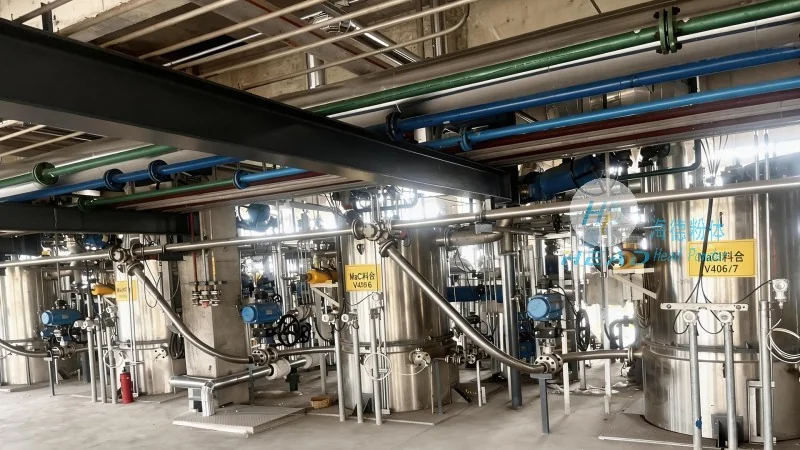
Modern soybean material handling systems are characterized by several key features that enhance their performance and reliability. One of the most notable features is the integration of automation and control systems, which allow for precise and consistent operation. These systems can be programmed to adjust to varying soybean qualities, such as moisture content or particle size, ensuring that the handling process remains efficient regardless of the raw material characteristics.
Another important feature is the durability and robust construction of the equipment. Soybeans are often abrasive and can cause wear on machinery, so the systems are built with high-quality materials, such as stainless steel and heavy-duty plastics, to withstand the rigors of continuous operation. This durability reduces maintenance costs and extends the lifespan of the equipment, providing long-term value to the user.
Energy efficiency is also a significant feature of contemporary soybean material handling systems. Advanced designs incorporate energy-saving technologies, such as variable speed drives for conveyors and optimized airflow in pneumatic systems. These features not only reduce operational costs but also align with environmental sustainability goals, making the systems attractive to environmentally conscious industries.
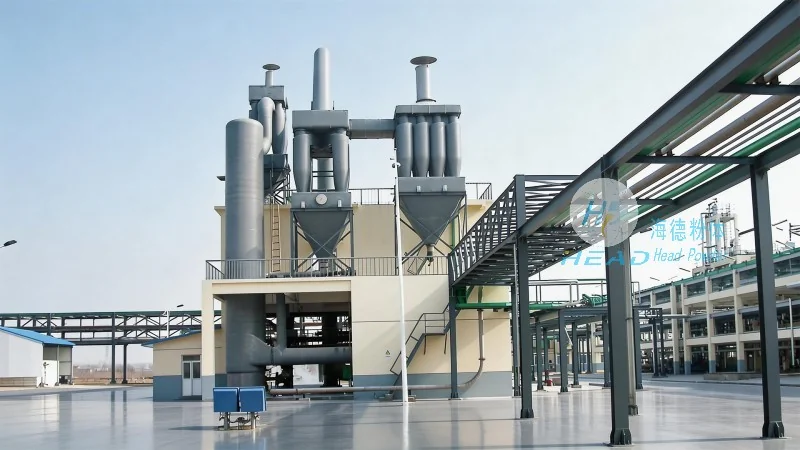
Furthermore, the systems are designed with safety in mind. Safety features include emergency stop buttons, protective guards on moving parts, and sensors that detect blockages or overloads. These measures ensure that the operation is safe for personnel and that the system can quickly respond to any issues, minimizing downtime and potential hazards.
Benefits of Implementing Soybean Material Handling Systems
The implementation of a well-designed soybean material handling system offers numerous benefits to businesses in the agricultural and food processing sectors. Firstly, it significantly improves operational efficiency by ensuring a continuous and unbroken flow of raw materials. This reduces bottlenecks and allows processing equipment to operate at full capacity, leading to increased productivity and reduced production time.
Secondly, the systems enhance product quality by maintaining the integrity of the soybeans during handling. By minimizing handling-related damage, such as cracking or bruising, the quality of the final product is preserved. This is particularly important for soybeans intended for food or oil extraction, where quality directly impacts market value.
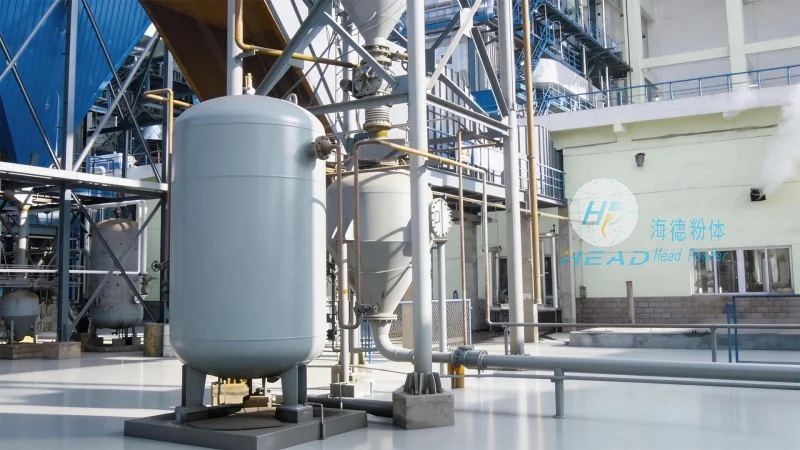
Thirdly, the systems contribute to cost savings through reduced labor and maintenance expenses. Automation and durable construction lower the need for manual intervention and frequent repairs, while energy-efficient designs cut down on utility costs. Over time, these savings can offset the initial investment in the system, making it a financially sound decision for businesses.
Lastly, the systems improve workplace safety by minimizing the need for manual handling of heavy or bulky soybean loads. This reduces the risk of injuries and creates a safer working environment, which is beneficial for both employees and the company's reputation.
Conclusion
In conclusion, soybean material handling systems are essential components of modern soybean processing operations. The working principle, which combines mechanical, pneumatic, and automated technologies, ensures efficient and reliable material movement. The key features, including automation, durability, energy efficiency, and safety, make these systems highly effective and adaptable to various production needs. By implementing such systems, businesses can achieve higher productivity, better product quality, cost savings, and improved workplace safety. Shandong HeadPowder Engineering Co., Ltd. continues to lead in providing innovative and reliable material handling solutions tailored to the specific requirements of soybean processing industries.