

The Working Principle and Features of Dust Material Conveying Lines
For industrial operations that involve the handling of dust and powdery materials, efficient and reliable material conveying systems are essential. The dust material conveying line, a specialized solution developed by Shandong HeadPowder Engineering Co., Ltd. based in China, represents a sophisticated approach to managing these materials with precision and effectiveness. This article explores the working principle and key features of such systems, highlighting how they enhance operational efficiency and safety in various industrial applications.
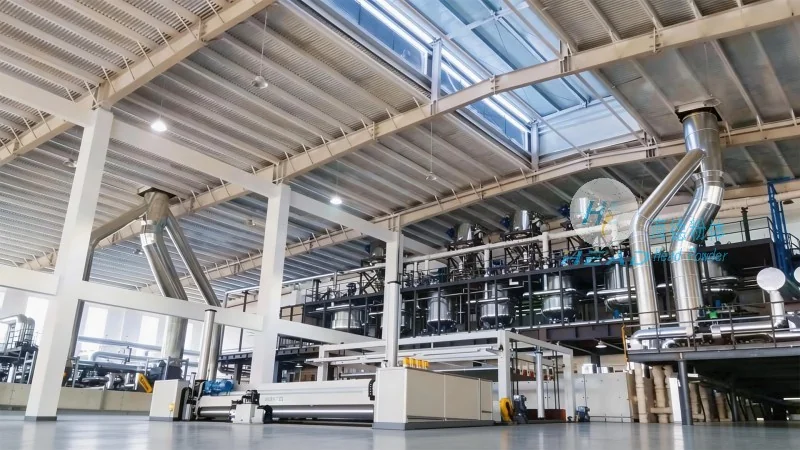
Understanding the Working Principle of Dust Material Conveying Lines
The core of a dust material conveying line lies in its ability to transport fine particles, powders, or dust from one location to another without significant loss or degradation. The system typically operates on the principle of air or mechanical force to move the material through a pipeline or conveyor. At Shandong HeadPowder Engineering Co., Ltd., the design incorporates advanced technologies to ensure optimal performance. For instance, the system may use positive pressure or negative pressure air flow to draw or push the material through the conveying line. The process begins with the material being fed into the inlet hopper, where it is then introduced into the pipeline. The air flow, generated by a blower or fan, carries the material along the pipeline, ensuring it reaches the discharge point. The design also includes features like pulse jet cleaning or rotary valves to maintain the system's efficiency and prevent blockages. This mechanism allows for continuous and unidirectional movement of the material, minimizing downtime and maximizing throughput.
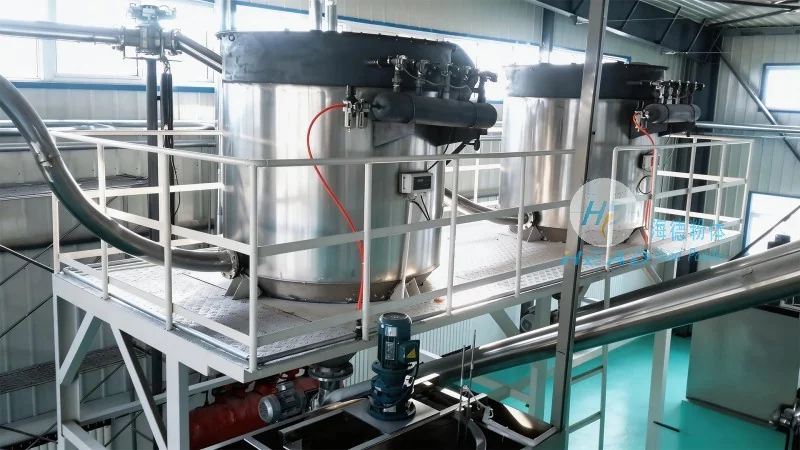
Key Features of Dust Material Conveying Lines
Shandong HeadPowder Engineering Co., Ltd. offers dust material conveying lines with several distinctive features that set them apart in the industry. One of the primary features is the high efficiency in material transport, which is achieved through optimized air flow rates and pipeline design. The systems are engineered to handle a wide range of particle sizes and densities, making them versatile for different industrial needs. Another significant feature is the robust construction, which includes corrosion-resistant materials and durable components to withstand harsh operating conditions. This ensures long-term reliability and reduces maintenance costs. The conveying lines also incorporate safety features, such as dust explosion-proof designs and automatic shut-off mechanisms, to protect personnel and equipment. Additionally, the systems are designed for easy integration with existing industrial setups, allowing for seamless operation without major modifications. The use of advanced control systems enables precise regulation of the conveying process, ensuring consistent material flow and preventing overloading or underloading of the system. These features collectively contribute to the overall effectiveness and adaptability of the dust material conveying lines, making them a preferred choice for industries dealing with fine materials.
Applications and Benefits in Industrial Settings
Dust material conveying lines find extensive applications across various industries, including chemical, pharmaceutical, food processing, and mining. In the chemical industry, they are used to transport powders like pigments, catalysts, and reagents, ensuring a clean and controlled process. The pharmaceutical sector benefits from the sterile and hygienic design of the conveying lines, which helps maintain product purity and compliance with regulatory standards. In food processing, the systems are used to handle powders like flour, sugar, and spices, with features that prevent contamination and ensure food safety. The mining industry utilizes these lines to transport ore dust and fine particles from processing plants to storage or further processing facilities. The benefits of using such systems are multifaceted. They enhance operational efficiency by reducing manual handling and labor costs, as well as minimizing material loss during transport. The systems also improve workplace safety by eliminating the need for manual handling of dust and powders, which can pose health risks. Furthermore, the consistent and reliable material flow helps in maintaining production schedules and reducing downtime due to material blockages or system failures. The integration of advanced technologies in the design of these lines ensures that they meet the evolving demands of modern industrial operations, providing a sustainable and efficient solution for material handling.
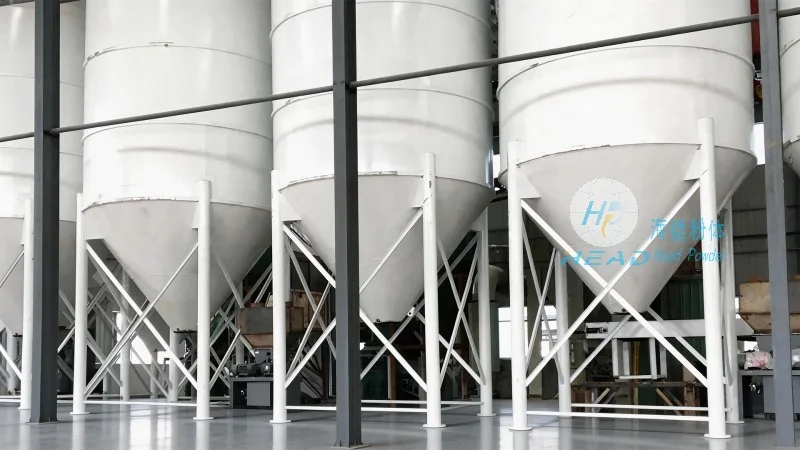
Conclusion and Company Overview
In conclusion, the dust material conveying line developed by Shandong HeadPowder Engineering Co., Ltd. is a sophisticated and efficient solution for handling dust and powdery materials in industrial settings. The working principle, which relies on air flow and mechanical force, ensures reliable and continuous material transport. The key features, including high efficiency, robust construction, and safety measures, make these systems suitable for diverse applications. The company, based in Shandong, China, specializes in providing tailored solutions that meet the specific needs of different industries, enhancing operational performance and safety. By leveraging advanced engineering and design, Shandong HeadPowder Engineering Co., Ltd. continues to deliver high-quality dust material conveying lines that contribute to the overall productivity and sustainability of industrial operations.