

Working Principle and Characteristics of Intermittent Feeding Powder Pneumatic Conveying
Intermittent feeding powder pneumatic conveying is a specialized method used in material handling and processing industries to transport bulk powders efficiently. This technology involves the controlled movement of powder materials through a pipeline system using air as the conveying medium. The process operates by intermittently feeding the powder into the system, which allows for precise control over the material flow and reduces the risk of clogging or blockages that are common in continuous feeding systems.
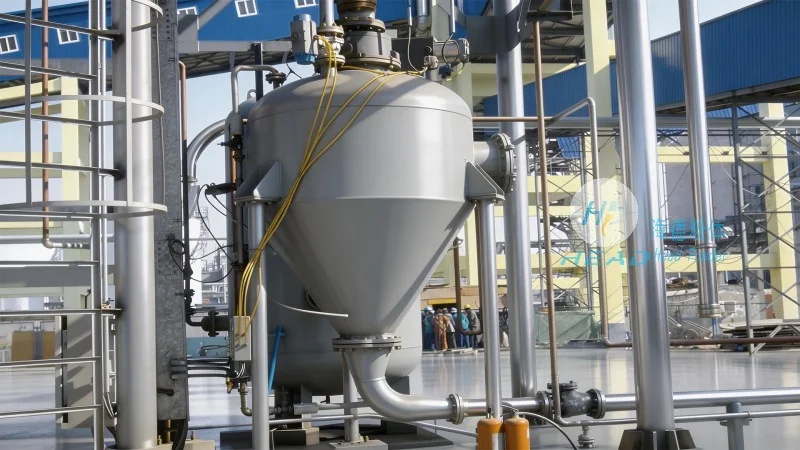
At Shandong HeadPowder Engineering Co., Ltd., we specialize in designing and manufacturing advanced pneumatic conveying systems tailored to the unique needs of various industries. Our expertise lies in optimizing the intermittent feeding mechanism, ensuring that each batch of powder is transported with minimal loss and maximum efficiency. The core of this technology is the ability to manage the pressure and flow of air within the pipeline, which directly impacts the performance of the conveying process.
The working principle of intermittent feeding powder pneumatic conveying can be broken down into several key steps. First, the powder is loaded into a hopper or feeder, which is then connected to a compressor that generates the necessary air pressure. When the system is activated, the feeder releases a controlled amount of powder into the pipeline, and the compressed air propels the material forward. This cycle repeats, with the feeder and compressor working in sync to maintain a consistent flow rate. The intermittent nature of the feeding process allows for better control over the material's velocity and the pressure drop within the system, leading to more stable and reliable operation.
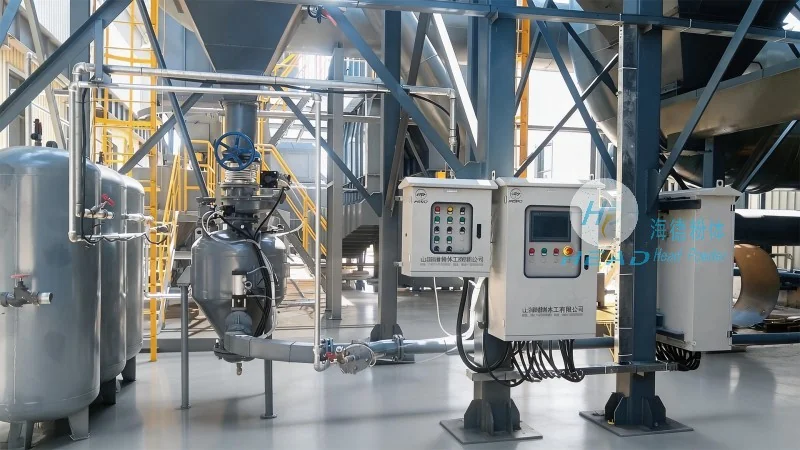
One of the primary advantages of this method is its ability to handle a wide range of powder characteristics, including fine powders, cohesive materials, and those prone to bridging or agglomeration. By controlling the feeding rate and air pressure, operators can prevent issues such as clogging or uneven flow, which are common in continuous systems. This makes intermittent feeding powder pneumatic conveying particularly suitable for applications where material quality and consistency are critical, such as in pharmaceuticals, food processing, and chemical manufacturing.
Another key characteristic is the flexibility it offers in system design. Unlike continuous systems that require complex and often expensive equipment, intermittent feeding systems can be simpler and more cost-effective. They are also easier to maintain, as the components are less prone to wear and tear due to the reduced continuous stress on the system. This makes them an attractive option for businesses looking to optimize their material handling processes without a significant investment in infrastructure.
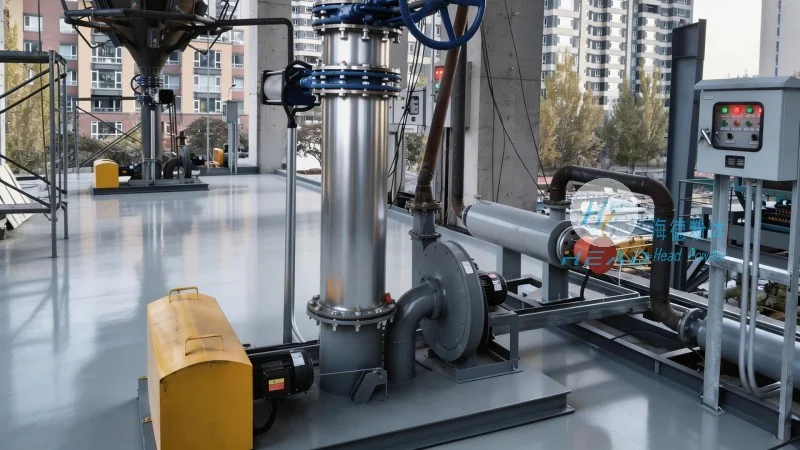
In terms of performance, intermittent feeding powder pneumatic conveying typically offers higher efficiency in terms of energy consumption compared to other methods, such as mechanical conveying. The controlled air pressure and precise feeding rates allow for the use of lower air volumes, reducing energy costs while maintaining the required material throughput. Additionally, the system's ability to handle different powder types without the need for extensive modifications makes it a versatile solution for various industrial applications.
When considering the implementation of an intermittent feeding powder pneumatic conveying system, several factors must be taken into account. The first is the specific characteristics of the powder being transported, including its particle size, density, and flowability. These properties will determine the optimal air pressure and feeding rate required for efficient operation. Another critical factor is the system's capacity, which must be matched to the production requirements of the facility. Shandong HeadPowder Engineering Co., Ltd. provides comprehensive engineering services to assess these factors and design a system that meets the exact needs of the client.
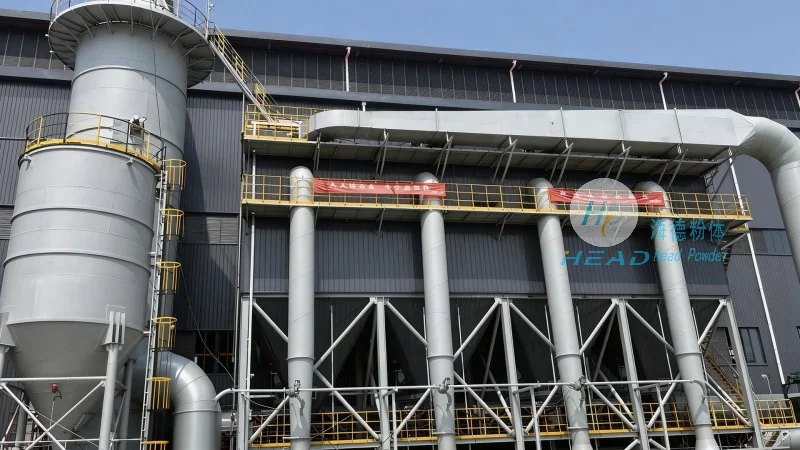
Furthermore, the system's integration with existing infrastructure is an important consideration. Our team at HeadPowder works closely with clients to ensure that the new conveying system can be seamlessly integrated with their current processes, minimizing downtime and disruption. This includes evaluating the existing layout, power supply, and material handling equipment to create a customized solution that enhances overall operational efficiency.
Overall, intermittent feeding powder pneumatic conveying represents a sophisticated and effective solution for the transportation of bulk powders. By leveraging the principles of controlled air pressure and intermittent feeding, this technology offers superior performance, reliability, and flexibility compared to traditional methods. At Shandong HeadPowder Engineering Co., Ltd., we are committed to delivering high-quality, customized systems that meet the evolving needs of the industry, ensuring that our clients achieve optimal results in their material handling operations.