

Working Principle and Characteristics of Air-Driven Transport for Lithium Iron Carbonate Powder
At Shandong HeadPowder Engineering Co., Ltd., we specialize in the efficient and reliable transport of lithium iron carbonate powder through air-driven systems. This article explores the fundamental working principles and key characteristics of this technology, providing a comprehensive overview for professionals in the field.
Working Principle of Air-Driven Transport for Lithium Iron Carbonate Powder
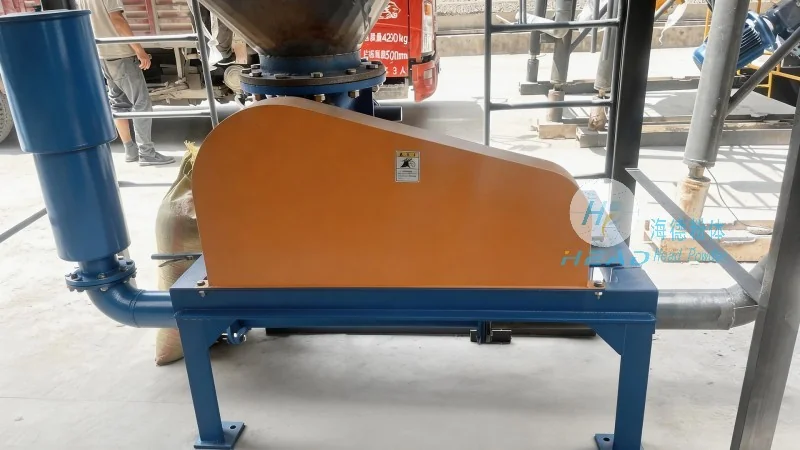
The air-driven transport system for lithium iron carbonate powder operates on the principle of using compressed air to create a flow that carries the powder particles through a pipeline. The process begins with the powder being introduced into a hopper or feeder, where it is then drawn into the transport line by the pressure differential generated by the air flow. The compressed air, typically supplied by a blower or compressor, creates a low-pressure zone that pulls the powder particles along with it, ensuring a consistent and controlled movement. This method eliminates the need for mechanical conveyors, reducing friction and wear while maintaining high material throughput. The system is designed to handle fine powders like lithium iron carbonate, which are prone to caking or agglomeration, as the air flow helps maintain particle separation and prevents blockages.
Key Characteristics of Air-Driven Transport Systems
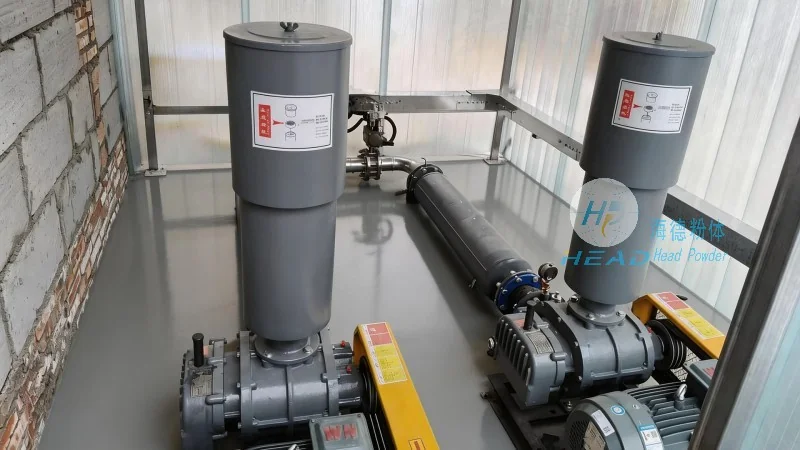
Several distinct characteristics define the air-driven transport of lithium iron carbonate powder, making it an attractive option for various industrial applications. Firstly, the system offers high flexibility in terms of layout and installation, as it can be configured to follow complex routes without the need for multiple mechanical components. This adaptability is particularly beneficial in facilities where space is limited or where the powder needs to be transported to multiple destinations. Secondly, the air-driven method provides excellent control over the flow rate and pressure, allowing for precise regulation of the powder delivery. This is crucial for processes that require consistent material supply, such as in chemical synthesis or battery production. Thirdly, the system is highly efficient in terms of energy consumption compared to traditional mechanical conveyors, as it minimizes energy losses associated with moving parts and friction. Additionally, the air-driven transport reduces the risk of contamination and product degradation, as the powder is not in direct contact with metal surfaces or other materials that could introduce impurities. Finally, the maintenance requirements for air-driven systems are relatively low, as there are fewer moving parts and less wear on components, leading to lower operational costs and increased system reliability.
Application-Specific Benefits and Considerations
When considering the use of air-driven transport for lithium iron carbonate powder, several application-specific benefits and considerations come into play. For instance, in battery manufacturing, where lithium iron carbonate is a critical raw material, the air-driven system ensures a consistent and clean supply of powder, which is essential for maintaining product quality and performance. The system's ability to handle fine powders without agglomeration is particularly valuable in this context, as it prevents the formation of large clumps that could affect the battery's performance. In addition, the reduced risk of contamination is a significant advantage, as even minor impurities can impact the battery's lifespan and efficiency. However, it is important to note that the air-driven transport may not be suitable for all applications, especially those involving large volumes of powder or where the powder has high moisture content. In such cases, alternative methods like mechanical conveyors or vacuum systems may be more appropriate. Furthermore, the system's performance can be affected by factors such as air pressure, particle size distribution, and the presence of moisture, which need to be carefully managed to ensure optimal operation.
Conclusion and Company Overview
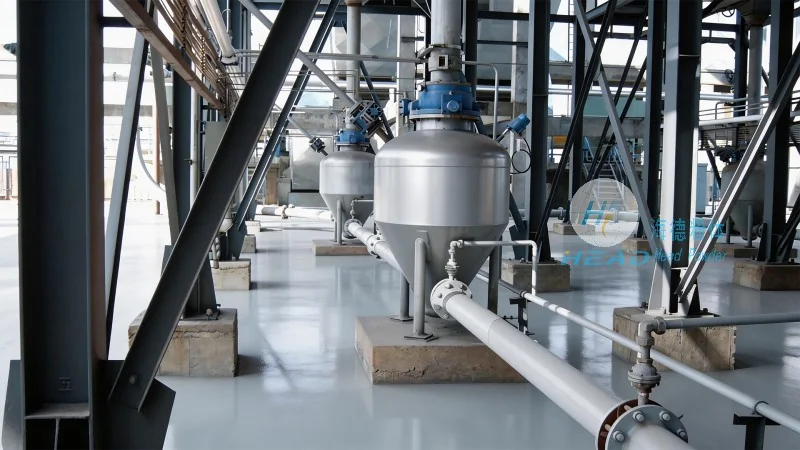
In conclusion, the air-driven transport of lithium iron carbonate powder is a highly effective and efficient method for handling fine powders in industrial applications. The working principle, which relies on compressed air to create a flow that carries the powder, offers several advantages over traditional mechanical conveyors, including flexibility, low energy consumption, and reduced contamination risk. The key characteristics of these systems, such as precise control over flow rate and pressure, make them suitable for a wide range of applications, particularly in battery manufacturing and chemical processing. Shandong HeadPowder Engineering Co., Ltd. specializes in providing customized air-driven transport solutions tailored to the specific needs of our clients, ensuring reliable and efficient powder handling. With our expertise and commitment to quality, we help our customers optimize their production processes and improve overall operational efficiency.