

Working Principle and Characteristics of Pneumatic Conveying for Methylcellulose Powder
HeadPowder, a leading provider in the field of powder handling technology, specializes in the efficient and reliable transportation of various powders, including methylcellulose. This article delves into the working principle and key characteristics of pneumatic conveying systems designed for methylcellulose powder, offering insights into how these systems operate and the advantages they bring to industrial applications.
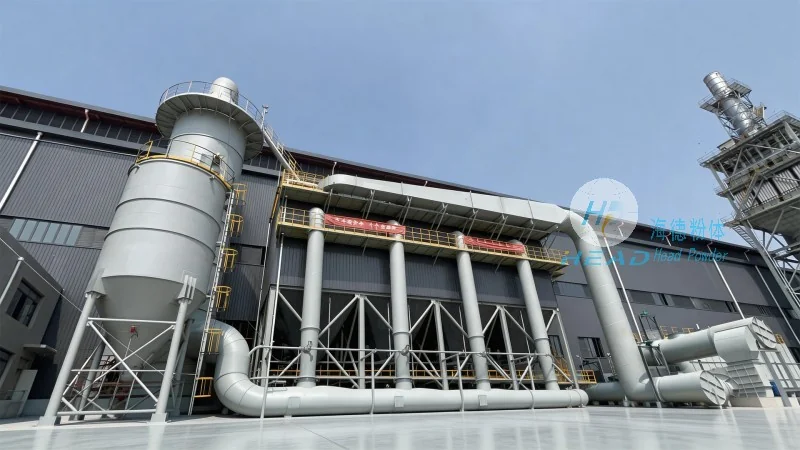
Understanding Pneumatic Conveying Systems
Pneumatic conveying, also known as pneumatic transport, is a method used to move bulk materials like powders through a pipeline using a gas stream, typically air or other gases. The process involves creating a pressure differential within the system to propel the powder particles forward. In the context of methylcellulose powder, which is a water-soluble polymer commonly used as a thickener, stabilizer, and emulsifier in various industries, the design of the conveying system must consider the unique properties of the material to ensure optimal performance.
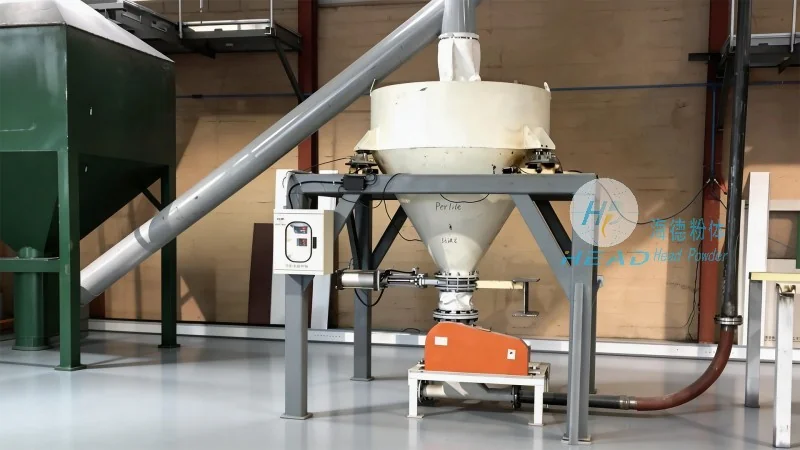
The Working Principle of Methylcellulose Powder Pneumatic Conveying
The core of a pneumatic conveying system for methylcellulose powder involves several key components and processes. The system typically starts with a hopper or feeder that stores the powder. From there, the powder is fed into a pipeline where it is mixed with a high-velocity air stream. The air, often supplied by a blower or compressor, creates a pressure that lifts and transports the powder particles through the pipeline. The velocity of the air is critical; it must be sufficient to overcome the gravitational force acting on the powder and maintain the powder in a suspended state. Once the powder reaches the destination, such as a silo or processing unit, the air is separated from the powder, and the powder is collected. The air may be filtered and recycled back into the system to enhance efficiency and reduce energy consumption.
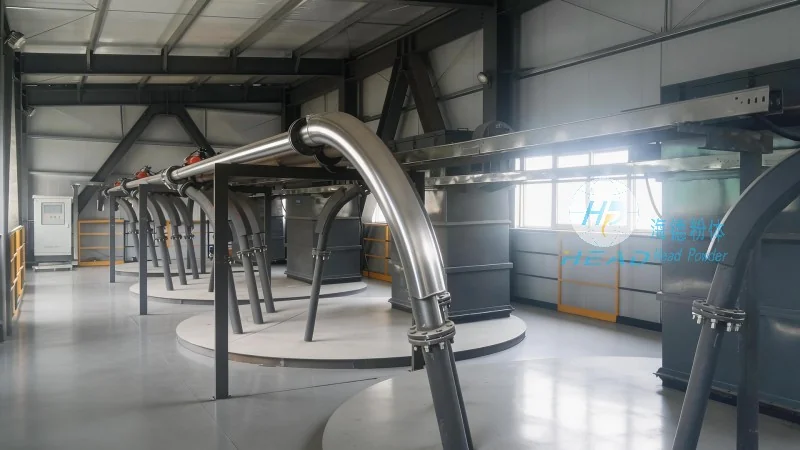
Key Characteristics of Methylcellulose Powder Pneumatic Conveying
Several characteristics define the performance and suitability of pneumatic conveying systems for methylcellulose powder. Firstly, the system's ability to handle fine powders without clogging is crucial. Methylcellulose is often a fine powder, and the design of the conveying system, including the size of the orifices and the velocity of the air, must prevent agglomeration or blockages. Secondly, the system's efficiency in terms of energy consumption and material recovery is important. By recycling the air, the system minimizes waste and reduces operational costs. Thirdly, the system's flexibility in handling varying flow rates and material types is a significant advantage. This allows for adaptability in different industrial settings, where the demand for methylcellulose powder may fluctuate. Additionally, the system's ability to maintain the purity of the powder is essential, as methylcellulose is used in applications where contamination is unacceptable, such as in food and pharmaceutical industries. The use of sealed pipelines and proper filtration ensures that the powder remains free from external contaminants during transport.
Applications and Benefits in Industrial Settings
The application of pneumatic conveying systems for methylcellulose powder offers numerous benefits across various industries. In the food industry, methylcellulose is used as a thickener in beverages and dairy products, and the efficient transport of this powder ensures consistent product quality and reduced downtime. In the pharmaceutical industry, where methylcellulose is used as a binder or filler in tablets, the reliability of the conveying system is vital for maintaining batch consistency and compliance with regulatory standards. The chemical industry also benefits from the ability to transport methylcellulose powder for use in coatings and adhesives, where precise dosing and consistent material flow are required. Overall, the advantages of pneumatic conveying, including its ability to handle fine powders, maintain material purity, and operate with minimal maintenance, make it an ideal solution for methylcellulose powder transport.
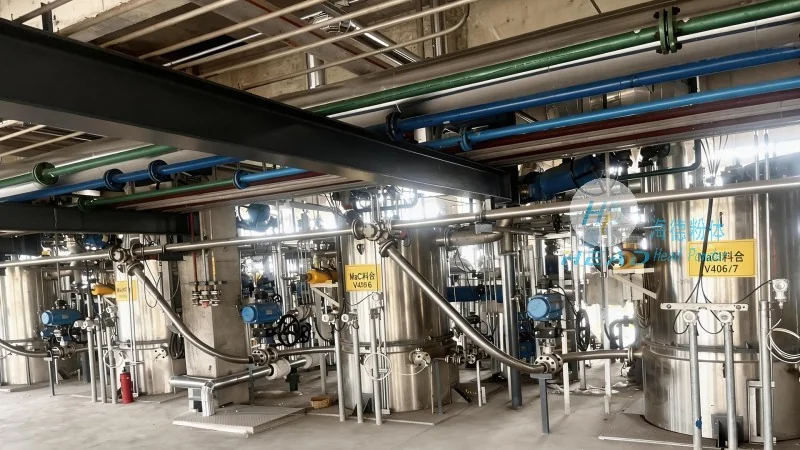
About HeadPowder Engineering Co., Ltd.
HeadPowder Engineering Co., Ltd., based in Shandong, China, is a specialized company dedicated to the research, development, and manufacturing of advanced powder handling equipment. With a focus on innovation and customer satisfaction, HeadPowder provides tailored solutions for various powder transport needs, including those for methylcellulose and other fine powders. The company's expertise in pneumatic conveying systems ensures that clients receive high-quality equipment that meets their specific operational requirements. By leveraging years of experience in the industry, HeadPowder continues to enhance its product offerings to support the growing demands of industries that rely on efficient powder handling technologies.