

Working Principle and Features of Alumina Hydroxide Powder Pneumatic Conveying System
Alumina hydroxide powder, a critical raw material in numerous industrial applications, demands efficient and reliable transportation methods to sustain seamless production workflows. The pneumatic conveying system for alumina hydroxide powder represents a specialized solution engineered to handle this fine powder with precision and efficiency. This article delves into the working principle and key characteristics of such a system, highlighting its advantages and operational nuances.
Company Information
HeadPowder, formally known as Shandong HeadPowder Engineering Co., Ltd., is a professional manufacturer headquartered in Shandong, China. The company specializes in engineering solutions for material handling, particularly pneumatic conveying systems tailored for diverse powder materials, including alumina hydroxide. With a commitment to quality and innovation, HeadPowder provides customized solutions to meet the specific operational needs of industrial clients.
Working Principle of the Pneumatic Conveying System
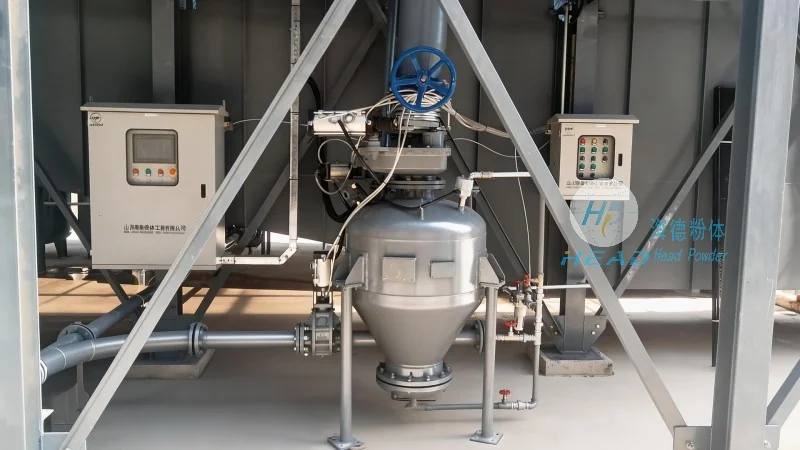
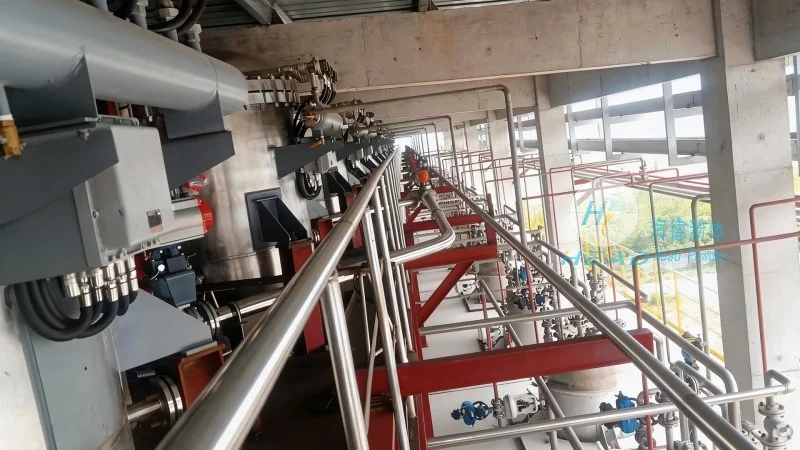
The pneumatic conveying system for alumina hydroxide powder operates on the principle of utilizing compressed air to transport fine powder particles from a source to a destination. The system typically comprises several core components: a hopper for material storage, a feeder to regulate flow rates, a conveying line (often equipped with cyclones or filters for separation), and a receiver for the final product. The process initiates when the powder is fed into the system, and compressed air is introduced to generate a flow that propels the particles through the pipeline. The air velocity is meticulously controlled to ensure the powder is carried without excessive pressure loss or particle degradation. The system may employ either positive pressure (where air is pushed through the line) or negative pressure (where air is drawn out), depending on the specific application and distance of transport. The cyclones or filters within the system facilitate the separation of powder from air, ensuring the final product is clean and free from contaminants. This method of transport is especially effective for handling fine powders like alumina hydroxide, which are susceptible to dusting and caking if not managed appropriately.
Key Features of the Alumina Hydroxide Powder Pneumatic Conveying System
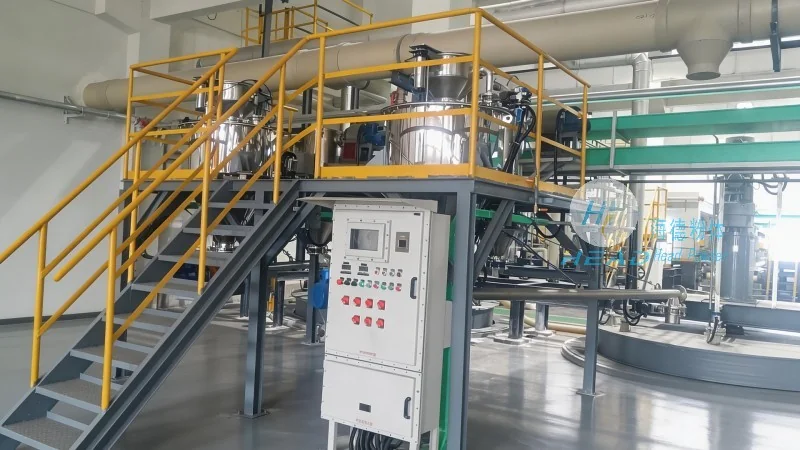
The pneumatic conveying system for alumina hydroxide powder offers several distinct features that make it an ideal choice for industrial applications. First, it provides a dust-free and enclosed transport process, which is vital for maintaining product quality and ensuring workplace safety. Unlike traditional methods such as bucket elevators or belt conveyors, pneumatic systems prevent the release of fine powder particles into the environment, reducing the risk of inhalation hazards and contamination. Second, the system is highly flexible and can be easily integrated into existing production lines. It can accommodate varying flow rates and transport the powder over long distances without significant material loss. The modular design allows for customization to fit specific spatial constraints and operational requirements. Third, the system is energy-efficient compared to other transport methods. By leveraging compressed air to move the powder, it minimizes the need for mechanical components that require high maintenance and energy consumption. The reduced wear and tear on components also leads to lower operational costs over time. Fourth, the system offers excellent control over material flow. The feeder and control valves enable precise regulation of the powder discharge rate, ensuring consistent product quality and preventing overloading or underloading of downstream equipment. This level of control is essential for maintaining the uniformity of alumina hydroxide powder, which is critical for its performance in downstream processes like calcination or further processing. Finally, the system is designed for durability and reliability. The materials used in the construction of the conveying line, hoppers, and other components are resistant to corrosion and abrasion, ensuring long-term operation even with abrasive alumina hydroxide particles. The system also includes safety features such as pressure relief valves and air filtration systems to prevent accidents and maintain operational safety.
Conclusion
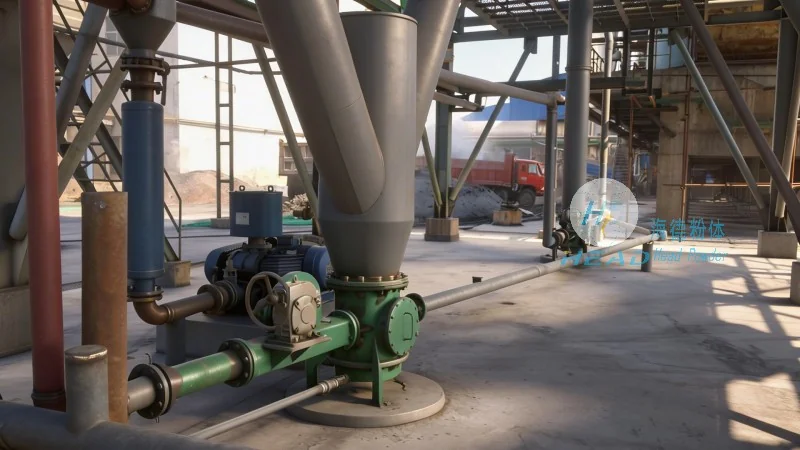
In summary, the pneumatic conveying system for alumina hydroxide powder is a sophisticated and efficient solution for transporting fine powders in industrial settings. Its working principle, based on compressed air and careful control of air velocity, ensures reliable and dust-free transport. The key features—including enclosed operation, flexibility, energy efficiency, precise control, and durability—make it a preferred choice for companies like Shandong HeadPowder Engineering Co., Ltd. This system not only enhances production efficiency but also contributes to workplace safety and product quality, making it an essential component in the processing of alumina hydroxide powder.