

Working Principle and Features of Phosphorus Pentoxide Material Pneumatic Conveying Equipment
This article provides an in-depth exploration of the working principle and key features of pneumatic conveying equipment designed for handling phosphorus pentoxide (P₂O₅) materials. As a critical component in industrial material transport, this equipment ensures efficient, safe, and reliable movement of the material from one location to another. The following sections will detail the operational mechanics and distinctive attributes of such systems, tailored for the specific demands of phosphorus pentoxide processing.
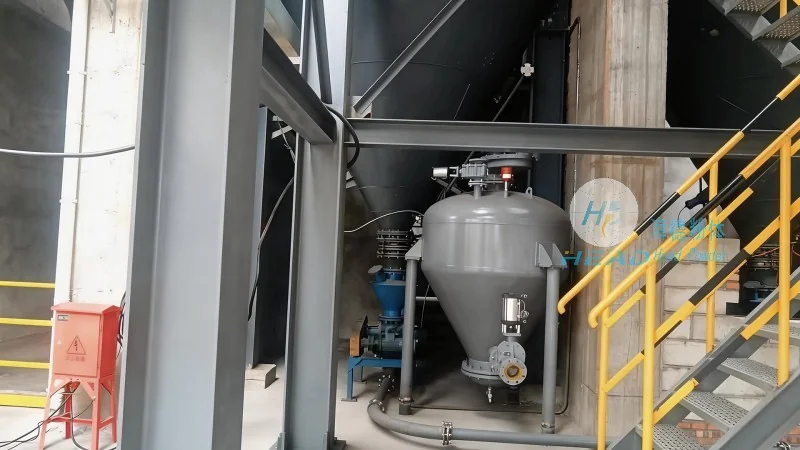
HeadPowder, a leading manufacturer based in Shandong, China, specializes in the design and production of advanced pneumatic conveying solutions. Their equipment is engineered to meet the stringent requirements of handling phosphorus pentoxide, a material known for its hygroscopic and reactive properties. The company’s expertise lies in creating systems that maintain material integrity while ensuring operational safety and efficiency.
The Working Principle of Phosphorus Pentoxide Pneumatic Conveying Equipment
The core of pneumatic conveying for phosphorus pentoxide involves the use of a pressurized or suction system to transport the material through a pipeline using air or other gases. The process typically operates under two main categories: dilute-phase and dense-phase conveying, each with specific applications based on the material's characteristics and the required transport distance.
In the dilute-phase system, the material is suspended in a high-velocity air stream, allowing it to be carried through the pipeline with minimal pressure drop. This method is suitable for short to medium distances and materials that are less prone to agglomeration. The equipment includes a feeding device, a conveying line, a separation unit, and a discharge mechanism. The feeding device, such as a rotary valve or a screw feeder, introduces the phosphorus pentoxide into the pipeline. The conveying line, often made of corrosion-resistant materials like stainless steel or PTFE, ensures the material is transported without degradation. The separation unit, typically a cyclone or a filter, separates the material from the air stream, while the discharge mechanism collects the material for further processing.
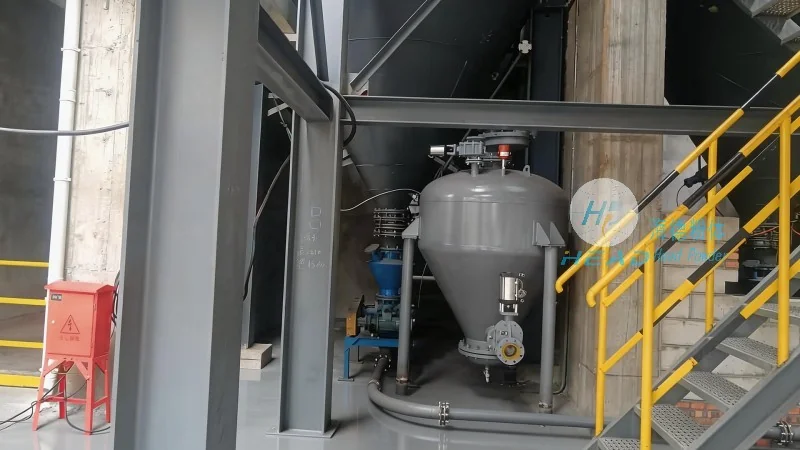
The dense-phase system, on the other hand, uses a lower air velocity to create a slurry-like flow, where the material is more densely packed and moves in a plug flow. This method is ideal for longer distances and materials that are prone to caking or agglomeration. The dense-phase system often employs a positive displacement blower or a pressure vessel to maintain the necessary pressure. The equipment includes a metering pump, a pressure vessel, and a discharge valve. The metering pump ensures a consistent flow rate, while the pressure vessel stores the material under pressure. The discharge valve controls the release of the material into the next processing stage.
Key Features of Phosphorus Pentoxide Pneumatic Conveying Equipment
When selecting pneumatic conveying equipment for phosphorus pentoxide, several key features must be considered to ensure optimal performance and safety. These features are designed to address the unique challenges posed by the material's properties, such as its hygroscopic nature and reactivity.
Firstly, the equipment must be constructed from materials that are resistant to corrosion and chemical attack. Phosphorus pentoxide is highly reactive and can cause corrosion in standard metals. Therefore, components like the pipeline, valves, and fittings are typically made from stainless steel, PTFE, or other corrosion-resistant alloys. This ensures the material remains intact and the equipment operates reliably over long periods.
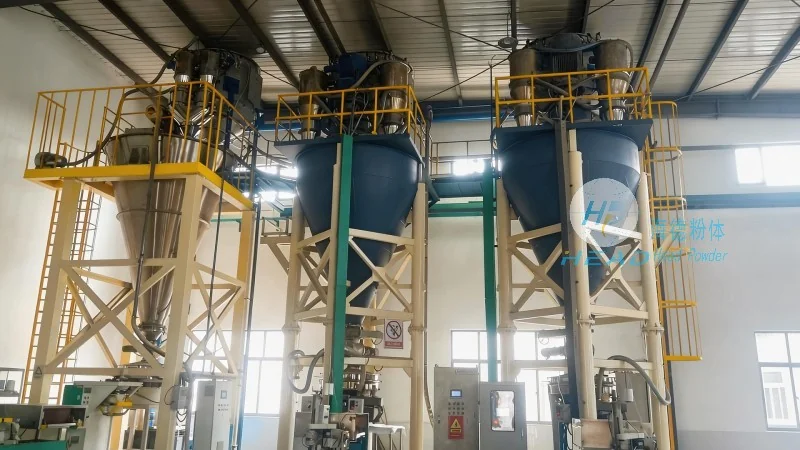
Secondly, the system must incorporate effective dust control measures. Phosphorus pentoxide is a fine powder that can generate significant dust during handling, posing health and safety risks. The equipment includes dust collection systems, such as cyclones or bag filters, to capture and remove the fine particles from the air stream. This not only protects the environment but also prevents the material from being lost or causing respiratory issues for operators.
Thirdly, the conveying system must maintain the material's quality and prevent agglomeration. Phosphorus pentoxide is prone to caking when exposed to moisture or air, which can block the pipeline and reduce efficiency. The equipment uses controlled air flow and temperature management to keep the material in a dry, free-flowing state. Additionally, some systems incorporate vibration or agitation mechanisms to prevent agglomeration and ensure smooth transport.
Fourthly, the equipment must be equipped with safety features to handle the reactive nature of phosphorus pentoxide. This includes pressure relief valves, explosion-proof components, and emergency shutdown systems. These features protect the system and personnel from potential hazards, such as pressure buildup or chemical reactions.
Application and Benefits in Industrial Settings
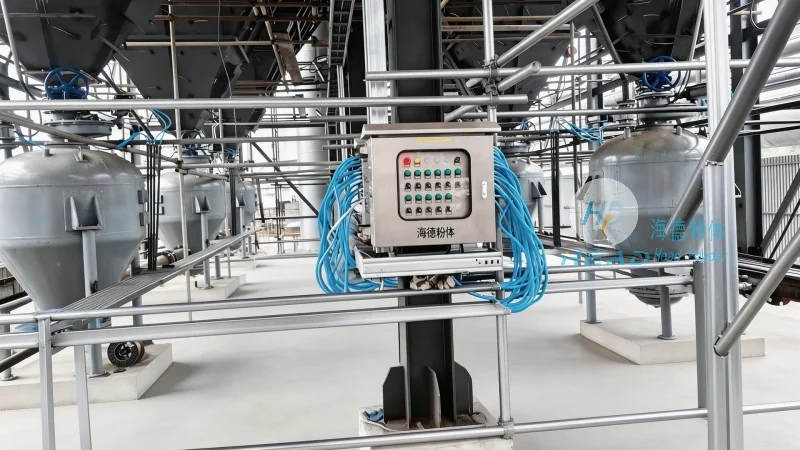
The application of phosphorus pentoxide pneumatic conveying equipment in industrial settings offers several advantages. The system provides a continuous and automated material transport process, reducing manual handling and associated risks. It also minimizes material loss and contamination, ensuring the quality of the final product. Additionally, the equipment is compact and can be integrated into existing processing lines, making it a flexible solution for various industrial applications.
HeadPowder's pneumatic conveying equipment for phosphorus pentoxide is designed to meet these requirements, offering a reliable and efficient solution for material transport. The company's expertise in material handling and engineering ensures that their products are tailored to the specific needs of the phosphorus pentoxide industry, providing long-term performance and safety.
By understanding the working principle and key features of this equipment, industrial facilities can make informed decisions when selecting a pneumatic conveying system for their phosphorus pentoxide processing needs. The combination of advanced technology, robust construction, and safety features makes such systems an essential component in modern industrial operations.