

Working Principle and Features of Calcium Carbide Dust Removal Material Pneumatic Conveying Line
HeadPowder, a leading engineering company based in Shandong, China, specializes in the design and manufacturing of advanced pneumatic conveying systems tailored for industrial applications. This article provides an in-depth look at the working principle and key features of a calcium carbide dust removal material pneumatic conveying line, highlighting how such systems enhance operational efficiency and safety in industrial settings.
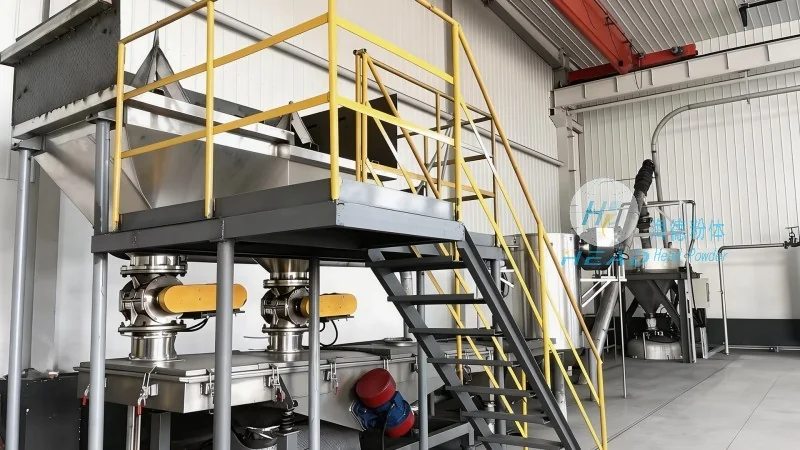
Understanding the Working Principle of the Pneumatic Conveying Line
The calcium carbide dust removal material pneumatic conveying line operates on the principle of air-based transport, utilizing a combination of pressure and vacuum to move bulk materials through a network of pipes. The system typically consists of a dust collection unit, a conveying pipeline, and a material discharge point. When the system is activated, air is introduced into the pipeline, creating a flow that propels the calcium carbide dust particles along the path. The dust collection unit first captures the airborne dust, separating it from the air stream before it enters the conveying section. This pre-treatment step ensures that only the dry, fine particles are transported, reducing the risk of clogging and improving the overall efficiency of the process.
During operation, the conveying line maintains a consistent air pressure, which is crucial for maintaining the flow of material. The system uses a series of valves and controls to regulate the air flow and material discharge. The dust particles are carried by the air stream in a suspended state, moving from the collection point to the discharge location. This method of transport is particularly effective for handling fine, abrasive materials like calcium carbide dust, as it minimizes direct contact with equipment surfaces, thereby reducing wear and tear.
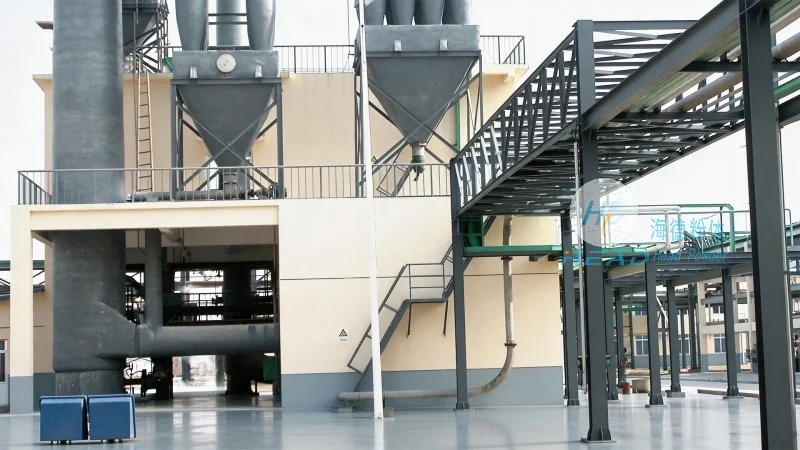
Key Features of the Pneumatic Conveying System
One of the primary features of this pneumatic conveying line is its ability to handle high volumes of material with minimal maintenance. The system is designed to operate continuously, ensuring a steady supply of calcium carbide dust to downstream processes. The use of air as the conveying medium eliminates the need for mechanical components like belts or buckets, which are prone to failure in dusty environments. This not only reduces operational costs but also enhances safety by eliminating moving parts that could pose a risk to personnel.
Another significant feature is the system's adaptability to varying material characteristics. The conveying line can be adjusted to accommodate different particle sizes and moisture levels, making it suitable for a wide range of industrial applications. The design allows for easy integration with existing dust collection systems, ensuring that the overall process flow remains seamless and efficient. Additionally, the system incorporates advanced control mechanisms that monitor air pressure, flow rate, and material level, providing real-time feedback to operators and enabling proactive maintenance.
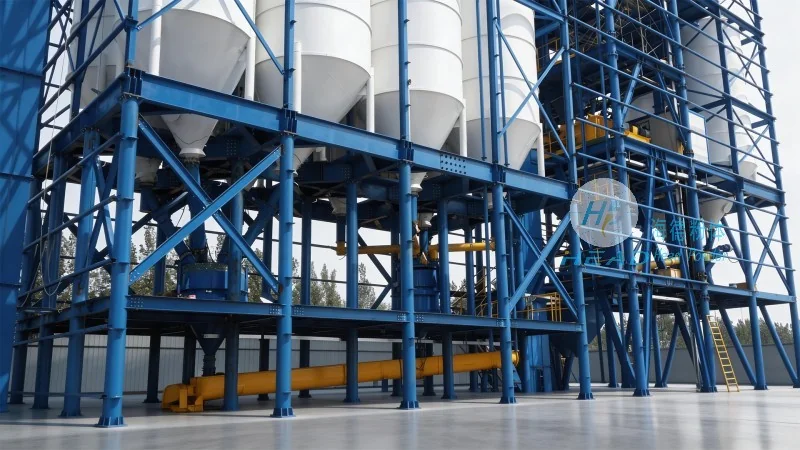
The material handling capacity of the pneumatic conveying line is another standout feature. It can transport large quantities of calcium carbide dust over significant distances, from the dust collection point to processing units or storage facilities. The system's efficiency in moving bulk materials reduces the need for manual handling, which is both labor-intensive and hazardous. By automating the material transport process, the system improves overall productivity and reduces the risk of workplace accidents.
Furthermore, the pneumatic conveying line is engineered for durability and reliability. The components are constructed from materials resistant to corrosion and abrasion, ensuring long-term performance even in harsh industrial environments. The system's low maintenance requirements contribute to its cost-effectiveness, as it minimizes downtime and reduces the need for frequent repairs. HeadPowder's expertise in engineering ensures that each component is optimized for the specific demands of calcium carbide dust handling, resulting in a robust and efficient solution.