

Principle and Working Scene Characteristics of Sawdust and Wood Flakes Material Conveying Equipment
HeadPowder, a leading manufacturer based in Shandong, China, specializes in the design and production of advanced material conveying systems tailored for sawdust and wood flakes. This article delves into the fundamental principles behind such equipment and highlights the key working scene characteristics that define its application in various industrial settings.
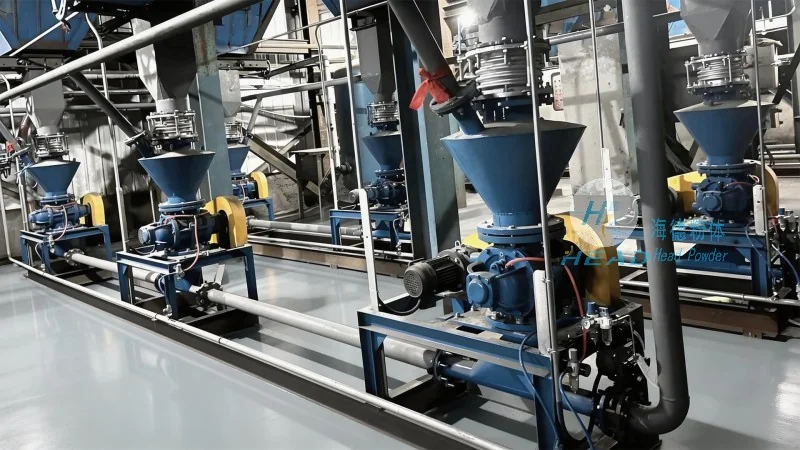
Overview of Sawdust and Wood Flakes Material Conveying Equipment
The equipment in question is engineered to efficiently transport lightweight, granular materials like sawdust and wood flakes from one location to another within industrial processes. These materials are often produced as byproducts in woodworking, paper manufacturing, or biomass energy production, and their handling requires specialized equipment to ensure minimal loss, contamination, and operational efficiency. The core components of these conveying systems typically include a feeding mechanism, a conveying medium (such as air or mechanical components), and a discharge system, all working in tandem to maintain consistent material flow.
The Principle of Operation
The primary principle governing the operation of sawdust and wood flakes material conveying equipment is the transfer of material through a controlled environment, often utilizing pneumatic or mechanical methods. In pneumatic conveying systems, for instance, the material is suspended in a stream of air and transported through a pipeline. This method relies on the creation of a pressure differential between the intake and discharge points, ensuring the material is propelled forward without clogging or degradation. Mechanical systems, on the other hand, may employ augers, belts, or screw conveyors to physically move the material, leveraging rotational motion to maintain a steady flow. Both approaches aim to minimize material degradation, which is critical for maintaining the quality of sawdust and wood flakes used in downstream processes such as pellet production or fuel processing.
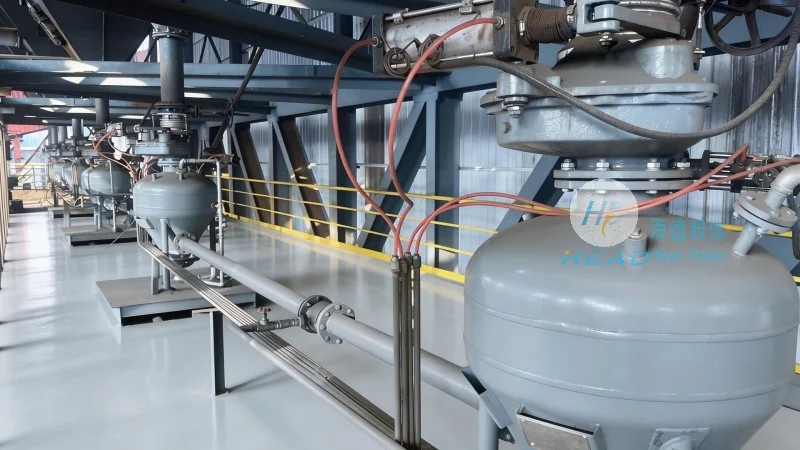
Key Working Scene Characteristics
The working scene characteristics of sawdust and wood flakes material conveying equipment are shaped by the nature of the materials being handled and the specific requirements of the industrial application. One of the most significant characteristics is the need for low-pressure, low-speed operation to prevent material degradation and clogging. Sawdust and wood flakes are prone to bridging and settling in traditional conveying systems, which can lead to blockages and reduced efficiency. Therefore, modern designs often incorporate features like vibration feeders, air classifiers, and flexible hoses to maintain a consistent flow and prevent material accumulation. Another critical characteristic is the requirement for dust control and environmental safety. Sawdust and wood flakes are lightweight and can easily become airborne, posing health risks and environmental hazards. Advanced systems typically include dust collection systems, filtration units, and sealed enclosures to minimize dust emissions and ensure compliance with occupational health and safety regulations.
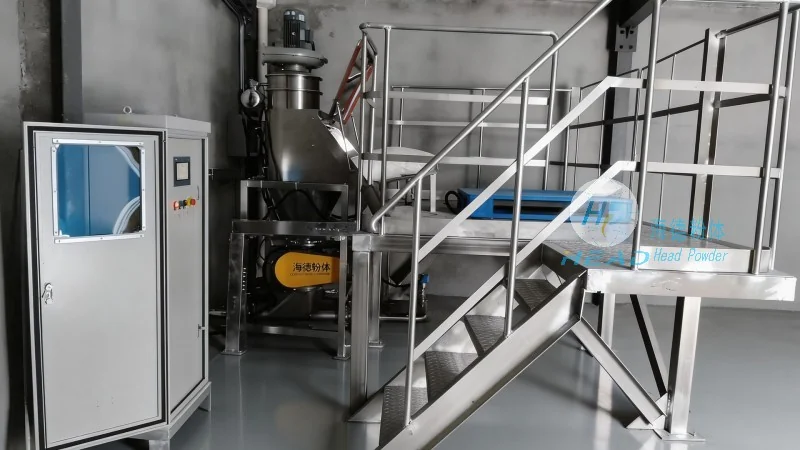
Application Scenarios and Operational Efficiency
The working scene characteristics of these conveying systems are directly linked to their application in various industrial sectors. In the woodworking industry, for example, sawdust and wood flakes are often used as raw materials for pellet production or as fuel in biomass power plants. The conveying equipment must be capable of handling large volumes of material over long distances while maintaining low energy consumption and minimal material loss. In paper manufacturing, these materials may be used as additives or fillers, requiring precise control over the material's moisture content and particle size. The equipment's ability to integrate with existing production lines and adapt to varying material conditions is a key factor in operational efficiency. Additionally, the working scene often demands high reliability and low maintenance, as downtime can significantly impact production schedules and costs. HeadPowder's equipment is designed with these considerations in mind, featuring durable components, easy-to-clean designs, and advanced control systems to ensure consistent performance and longevity.
Conclusion
In conclusion, the principle and working scene characteristics of sawdust and wood flakes material conveying equipment are critical to their effectiveness in industrial applications. By understanding the fundamental principles of operation and the specific requirements of the working scene, manufacturers can design and implement systems that optimize material handling, minimize degradation, and ensure operational efficiency. HeadPowder, with its expertise in engineering and manufacturing, provides solutions tailored to these needs, supporting industries in achieving their production goals while maintaining safety and environmental standards.