

Principle and Working Scene Characteristics of Calcined Gypsum Material Conveying Equipment
Calcined gypsum, also known as plaster of Paris, is a vital material in various industrial sectors, including construction, pharmaceuticals, and agriculture. The efficient transportation of this material is crucial for maintaining production efficiency and product quality. This article delves into the principles behind calcined gypsum material conveying equipment and highlights the key working scene characteristics that make such equipment effective in industrial settings.
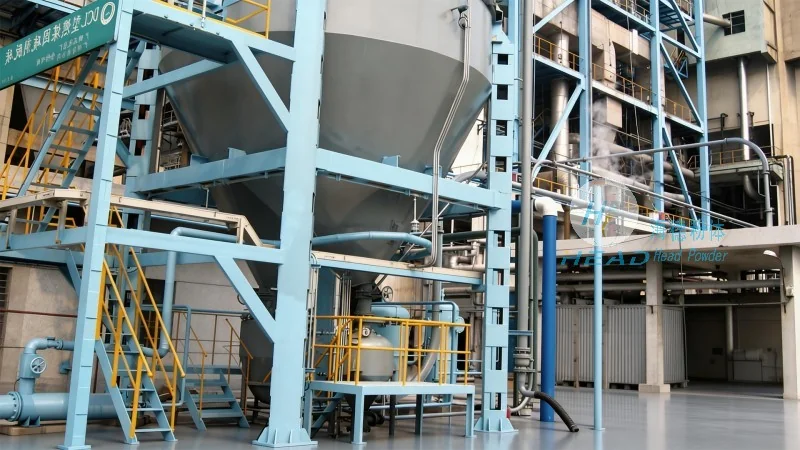
The Working Principle of Calcined Gypsum Material Conveying Equipment
Calcined gypsum material conveying equipment typically operates based on mechanical or pneumatic systems designed to move bulk materials. The core components include feed hoppers, conveyor mechanisms (such as belt conveyors, screw conveyors, or pneumatic ducts), and control systems. The equipment is engineered to handle the specific properties of calcined gypsum, such as its fine particle size, moisture content, and flow characteristics. For instance, some systems use screw conveyors to transport the material vertically or horizontally, while others employ pneumatic conveying to move the material through pipelines. The selection of the conveying method depends on factors like the material's characteristics, the required conveying distance, and the production scale. The equipment is designed to ensure minimal material degradation, preventing clumping or caking that could affect downstream processes.
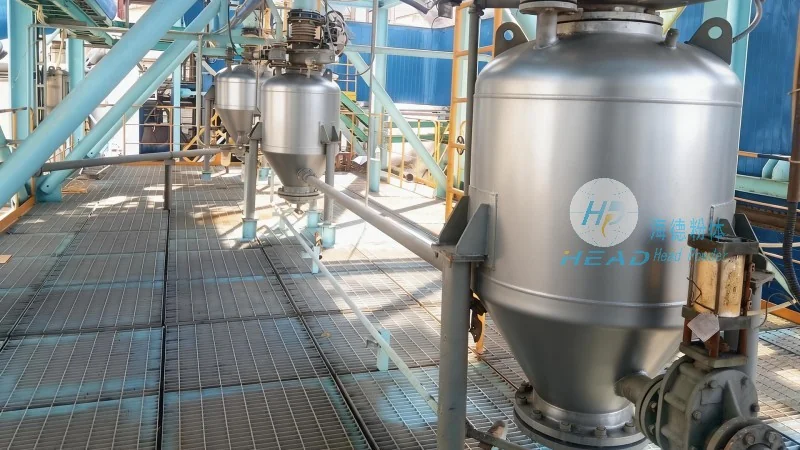
Key Working Scene Characteristics of Calcined Gypsum Material Conveying Equipment
The effectiveness of calcined gypsum material conveying equipment is heavily influenced by the working environment and operational requirements. In industrial settings, these systems are often integrated into larger production lines, requiring seamless coordination with other machinery like mixers, grinders, or packaging units. The equipment must be capable of handling varying material loads and flow rates to adapt to fluctuating production demands. For example, in a construction materials plant, the conveying equipment may need to transport calcined gypsum from storage silos to mixing stations, where it is combined with other ingredients to produce plaster products. The working scene characteristics also include considerations for dust control and environmental compliance, as calcined gypsum is a fine powder that can generate significant dust during handling. Advanced equipment often incorporates dust suppression systems, such as enclosed conveyor housings or air filtration units, to minimize environmental impact and ensure workplace safety. Additionally, the equipment must be durable and easy to maintain, as it operates in demanding industrial environments where downtime can lead to significant production losses.
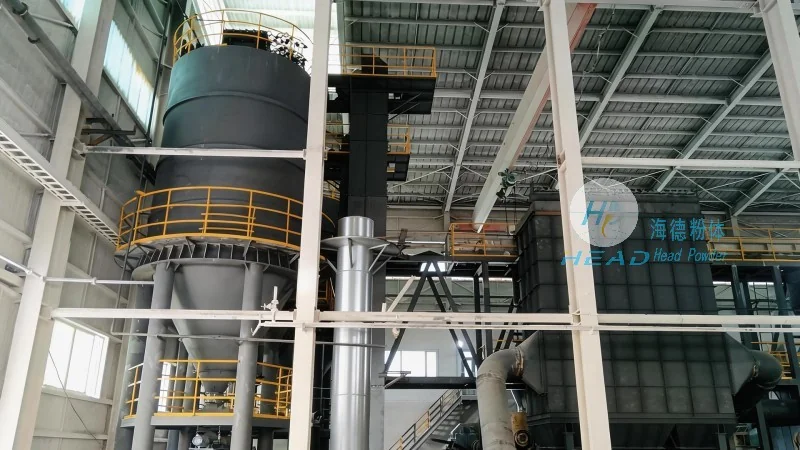
About Shandong HeadPowder Engineering Co., Ltd.
HeadPowder, as the professional manufacturer of calcined gypsum material conveying equipment, is committed to providing high-quality solutions tailored to the needs of industrial clients. With years of experience in the field, the company has developed a range of equipment designed to optimize material handling processes. HeadPowder's products are engineered to meet the specific requirements of different industries, ensuring reliability, efficiency, and durability. The company's headquarters is located in Shandong, China, where it leverages advanced technology and skilled engineering expertise to deliver innovative solutions. By focusing on customer needs and continuous improvement, HeadPowder aims to be a leading provider of calcined gypsum conveying equipment in the global market.