

Principle and Working Scene Characteristics of Rice Noodle Material Conveying Lines
Headpowder, a leading manufacturer based in Shandong, China, specializes in the design and production of efficient rice noodle material conveying systems. These lines are engineered to streamline the material handling process in rice noodle production facilities, ensuring smooth and reliable operation from raw material intake to processing stages.
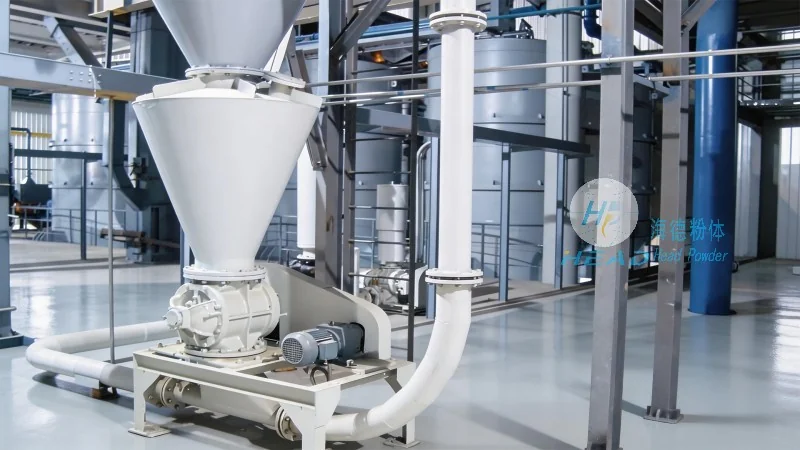
Core Principle of Rice Noodle Material Conveying Lines
The fundamental principle of rice noodle material conveying lines revolves around the integration of advanced mechanical components and intelligent control systems. These systems are designed to transport bulk materials such as rice flour, water, and other additives with precision and consistency. The core components typically include conveyor belts, feeding mechanisms, and automated control panels that work in tandem to maintain optimal material flow rates. By leveraging gravity, mechanical force, or pneumatic systems, the conveying lines minimize manual intervention and reduce the risk of material contamination or loss. The design emphasizes durability and adaptability, allowing for seamless integration with existing production lines or standalone operation in new facilities.
Key Working Scene Characteristics
The working scene characteristics of rice noodle material conveying lines are tailored to the specific demands of rice noodle manufacturing environments. These systems are built to withstand the humid and high-moisture conditions prevalent in noodle production, featuring corrosion-resistant materials and moisture-proof coatings to prevent material degradation or equipment failure. The conveyor systems are designed with easy access points for maintenance and cleaning, ensuring compliance with hygiene standards and regulatory requirements. Additionally, the lines are equipped with real-time monitoring capabilities, allowing operators to track material levels, flow rates, and system performance. This enables proactive maintenance and quick resolution of any operational issues, minimizing downtime and maximizing production efficiency.
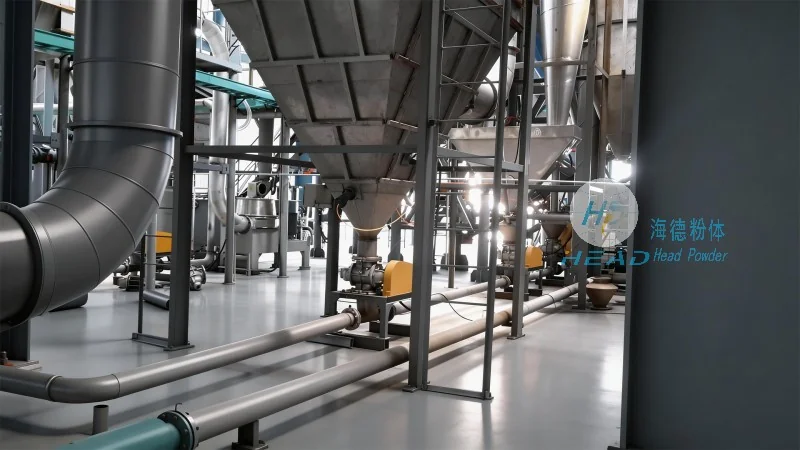
Application in Production Workflow
Rice noodle material conveying lines play a critical role in the overall production workflow, enhancing productivity and product quality. In typical operations, raw rice is first milled into flour, which is then conveyed to a mixing station where water and other additives are added. The conveying system ensures uniform material distribution, preventing clumping or uneven mixing that could affect noodle texture and consistency. As the dough is processed through extrusion or rolling stages, the conveying line continues to transport intermediate products, such as cut or shaped noodles, to drying or packaging areas. The system's ability to handle varying material viscosities and flow rates makes it suitable for different noodle types, including thin rice noodles, thick rice sticks, or instant rice noodle products. By optimizing material movement, the conveying line reduces labor costs, improves safety in the workplace, and enhances overall operational efficiency.
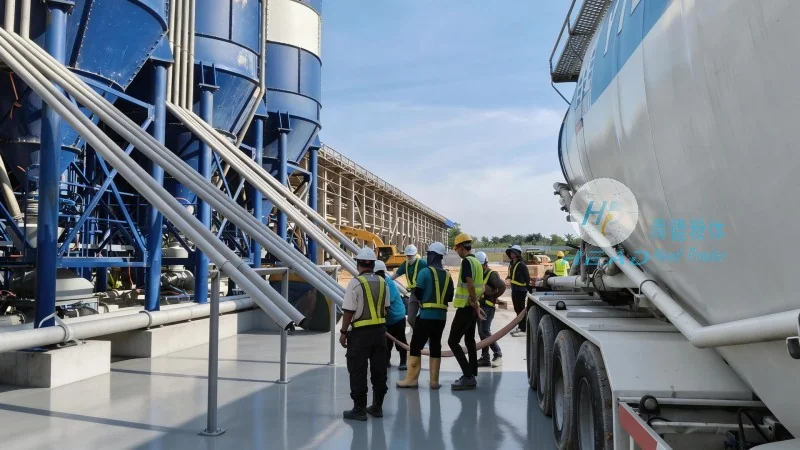
Advantages in Modern Manufacturing
Implementing rice noodle material conveying lines offers several advantages that contribute to the competitiveness of modern rice noodle manufacturers. The automated nature of these systems reduces human error and labor dependency, leading to more consistent product quality and reduced waste. The energy-efficient design minimizes operational costs while maintaining high throughput, making it an economical choice for both small and large-scale production facilities. Furthermore, the modular construction of the conveying lines allows for easy expansion or reconfiguration as production needs evolve. This flexibility enables manufacturers to adapt to changing market demands or scale up production without significant capital investment. The integration of sensors and IoT technology in some advanced models provides real-time data analytics, enabling predictive maintenance and further optimization of the production process.
Conclusion
Headpowder's rice noodle material conveying lines represent a sophisticated solution for the material handling challenges in rice noodle production. By combining robust engineering with user-friendly operation, these systems enhance productivity, ensure product quality, and support sustainable manufacturing practices. With a strong presence in Shandong, China, Headpowder continues to innovate and provide tailored solutions that meet the evolving needs of the rice noodle industry, helping manufacturers achieve higher efficiency and greater success in their operations.