

Principle and Working Scenario Characteristics of Carboxymethyl Cellulose Powder Pneumatic Conveying
Shandong HeadPowder Engineering Co., Ltd., commonly known as headpowder, is a professional enterprise based in Shandong, China, specializing in the design, manufacturing, and implementation of advanced powder handling systems. The company focuses on providing efficient and reliable solutions for the transportation of various powder materials, including specialty chemicals like carboxymethyl cellulose (CMC).
Principle of Pneumatic Conveying Systems
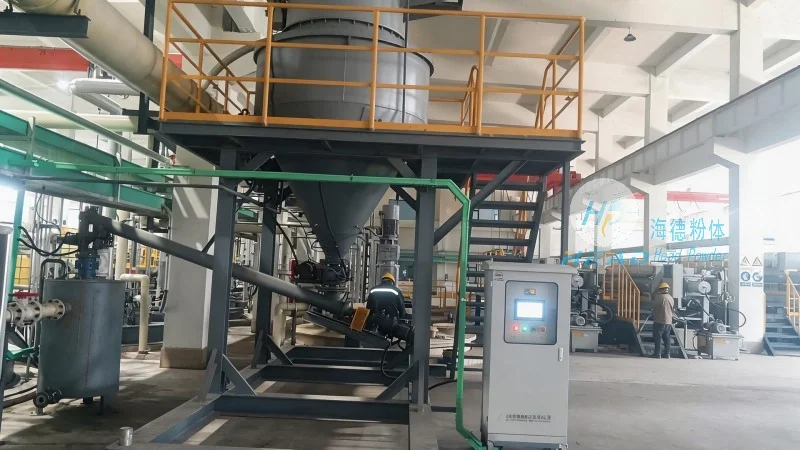
Pneumatic conveying lines operate on the fundamental principle of using compressed air or gas to transport bulk powder materials through a pipeline network. In this system, the powder is suspended in the air stream and propelled forward by the pressure differential created between the inlet and outlet of the conveying line. The process involves several key components, including a feeding device, a conveying pipeline, a control system, and a discharge mechanism. The air flow is typically generated by a blower or compressor, which provides the necessary energy to move the powder particles. The design of the conveying line, including the diameter of the pipeline, the angle of inclination, and the type of air valves, is critical to ensuring efficient and stable powder transport. For carboxymethyl cellulose (CMC) powder, which is a fine and often hygroscopic material, the pneumatic conveying system must be optimized to prevent agglomeration, caking, and moisture absorption during transport.
Working Scenario Characteristics of CMC Powder Pneumatic Conveying Lines
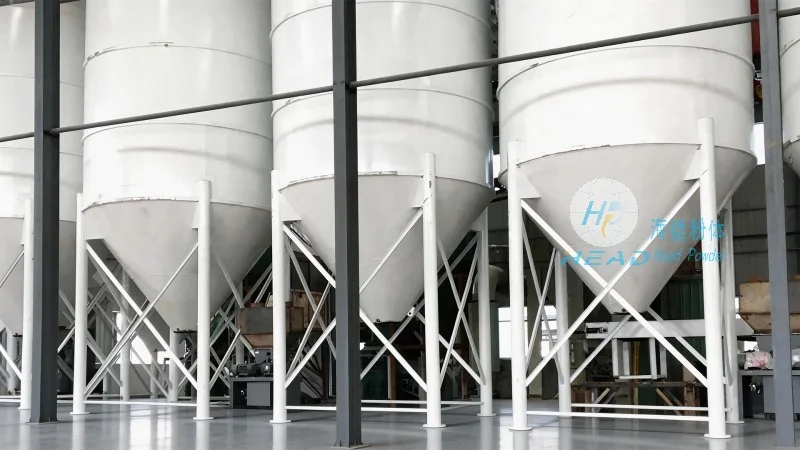
The working scenario characteristics of carboxymethyl cellulose powder pneumatic conveying lines are tailored to meet the specific demands of industrial applications. These systems are commonly used in industries such as pharmaceuticals, food processing, and chemical manufacturing, where the precise and hygienic handling of CMC powder is essential. The primary characteristics include high transport efficiency, minimal product degradation, and the ability to handle varying particle sizes and flow rates. The conveying lines are designed to maintain the quality of the CMC powder by minimizing exposure to air, moisture, and contaminants. Additionally, the system's flexibility allows for integration with existing production lines, enabling seamless material transfer from storage silos to processing equipment. The control systems in these lines are often equipped with sensors and automation features to monitor and adjust the air pressure, flow rate, and powder feed rate in real-time, ensuring consistent performance and preventing system failures. The working scenarios also emphasize safety and compliance with industry standards, as CMC powder is often used in applications where product purity and consistency are critical.
Key Advantages in Practical Applications
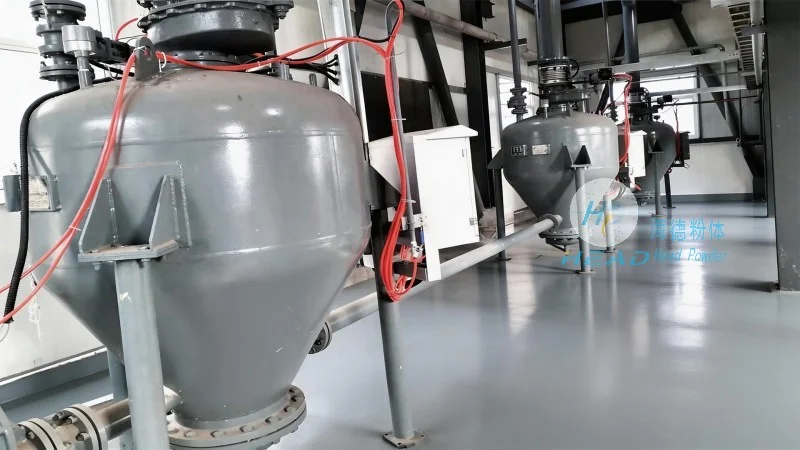
When applied in industrial settings, carboxymethyl cellulose powder pneumatic conveying lines offer several advantages that enhance operational efficiency and product quality. The primary advantage is the ability to transport CMC powder over long distances without the need for mechanical components like conveyor belts or buckets, which can introduce contamination or cause product degradation. The pneumatic system also allows for a more compact and space-saving design, as the pipeline can be routed along the existing infrastructure of a facility. Furthermore, the system's ability to handle varying flow rates and particle sizes makes it adaptable to different production scales and product formulations. The control and monitoring features of the conveying line enable operators to maintain optimal conditions, reducing downtime and improving overall productivity. In summary, the working scenario characteristics of these systems are designed to address the unique challenges of CMC powder handling, ensuring reliable and efficient material transport while maintaining the integrity of the product.