

Principle and Working Scene Characteristics of Dry Desulfurization Fly Ash Powder Pneumatic Conveyin
HeadPowder, a leading engineering firm based in Shandong, China, specializes in providing advanced solutions for industrial material handling, particularly in the field of dry desulfurization fly ash powder pneumatic conveying systems. This article delves into the fundamental principles behind such systems and highlights the key characteristics of their operational environments.
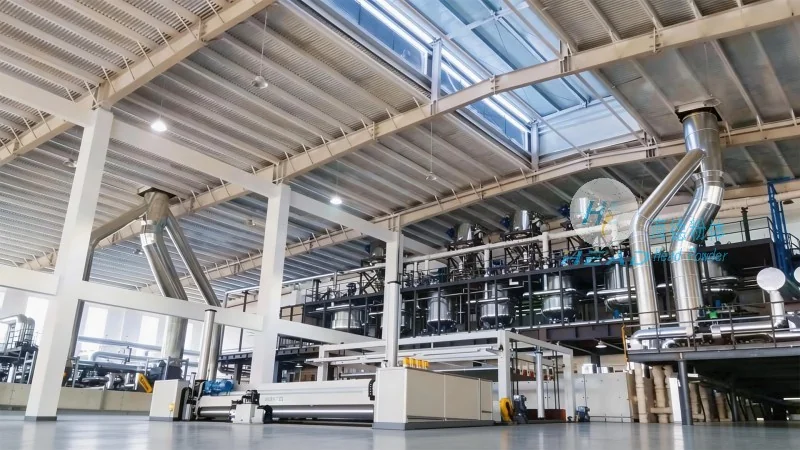
Understanding the Core Principles of Dry Desulfurization Fly Ash Powder Pneumatic Conveying
The dry desulfurization fly ash powder pneumatic conveying line operates on the principle of transporting fine powders, such as fly ash generated from coal-fired power plants, through a pressurized air stream. Unlike traditional wet systems, this dry method eliminates the need for water, making it more environmentally friendly and cost-effective. The system typically consists of a dust collector, a conveying pipeline, a control unit, and a discharge hopper. The process begins with the fly ash being drawn into the dust collector, where it is separated from the air stream. The collected ash is then transferred to a storage silo or directly to the conveying pipeline. The control unit regulates the air pressure and flow rate, ensuring efficient and consistent material transport. The conveying pipeline is designed to handle the abrasive nature of fly ash, with materials like stainless steel or special coatings used to prevent wear and corrosion. This pneumatic conveying approach minimizes material degradation and reduces the risk of dust emissions, aligning with modern industrial standards for sustainability and safety.
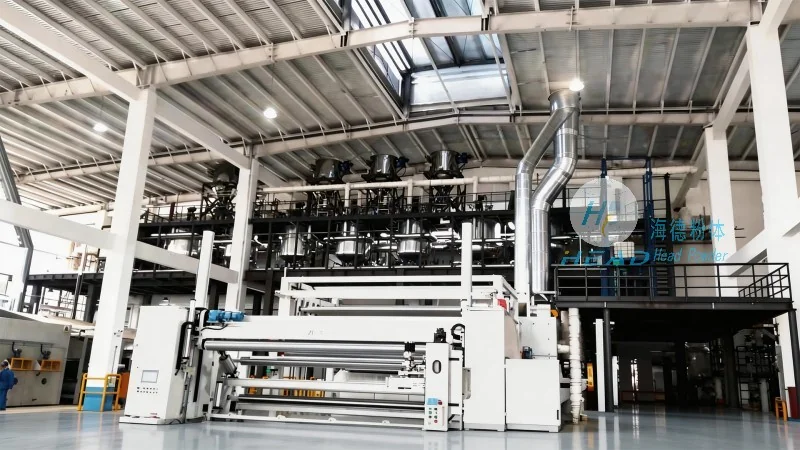
Key Working Scene Characteristics of the Pneumatic Conveying System
The operational environment of the dry desulfurization fly ash powder pneumatic conveying line is characterized by several critical factors that influence its performance and efficiency. First, the system is designed to handle high volumes of fine powders, often with particle sizes ranging from 1 to 100 microns. This requires precise control over air velocity and pressure to prevent particle segregation and blockages. The conveying distance can vary from short, localized transport within a facility to long-distance transfer over several hundred meters, depending on the specific application. The system's flexibility allows it to integrate with existing infrastructure, such as existing silos, storage tanks, or processing units, without significant modifications. Another key characteristic is the system's ability to maintain a clean and dust-free environment. By using sealed pipelines and efficient filtration, the system minimizes the release of fly ash particles into the air, reducing health hazards for workers and complying with environmental regulations. The operational noise level is also relatively low compared to traditional mechanical conveying methods, contributing to a safer working environment. Furthermore, the system's energy efficiency is a significant advantage. By optimizing air pressure and flow, the system reduces energy consumption, leading to lower operational costs over time. This makes it an attractive solution for power plants and other industrial facilities looking to improve their material handling processes while adhering to environmental and economic constraints.
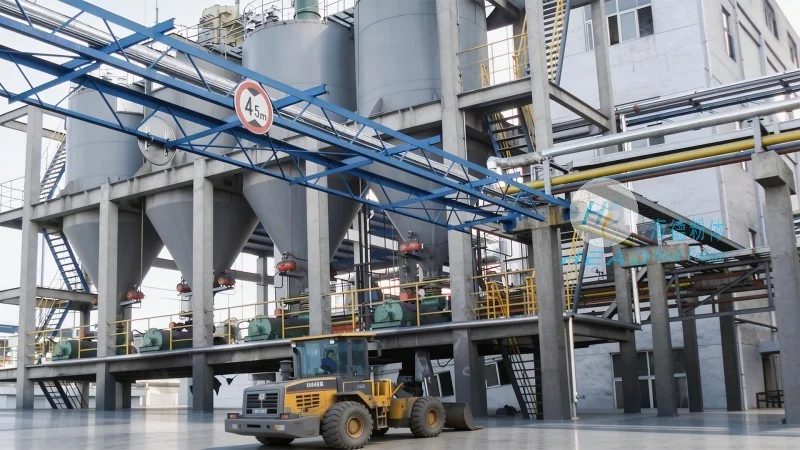
Application Scenarios and Benefits in Industrial Settings
The dry desulfurization fly ash powder pneumatic conveying line is widely used in various industrial settings, particularly in the power generation sector. In coal-fired power plants, for example, the system is employed to transport fly ash from the desulfurization unit to storage facilities or to be used as a raw material in cement production. The ability to handle large quantities of fly ash efficiently and safely makes it an essential component of modern power plant operations. Additionally, the system is used in industrial plants that generate fine powders, such as in the production of ceramics, chemicals, or pharmaceuticals. These industries benefit from the system's ability to transport powders without contamination, ensuring product quality and consistency. The system's adaptability also makes it suitable for applications in waste management and recycling facilities, where the transport of fly ash or other powders is required. The benefits of using this pneumatic conveying system extend beyond just material transport. By reducing the need for manual handling and minimizing dust emissions, the system enhances workplace safety and improves overall operational efficiency. The low maintenance requirements and long service life of the components further contribute to cost savings for industrial facilities. Overall, the dry desulfurization fly ash powder pneumatic conveying line represents a reliable and efficient solution for handling fine powders in industrial environments, aligning with the need for sustainable and safe material handling practices.