

Principle and Working Scene Characteristics of Pneumatic Conveying Equipment for Polyethylene Pellet
For industries dealing with polyethylene pellets, efficient material handling is crucial to maintaining production flow and operational efficiency. Pneumatic conveying equipment has emerged as a reliable solution for transporting these lightweight, granular materials across various industrial settings. This article explores the fundamental principles behind such systems and highlights the key characteristics of their application scenarios, with a focus on the capabilities offered by Shandong HeadPowder Engineering Co., Ltd. (headpowder), a leading provider of specialized material handling solutions from China.
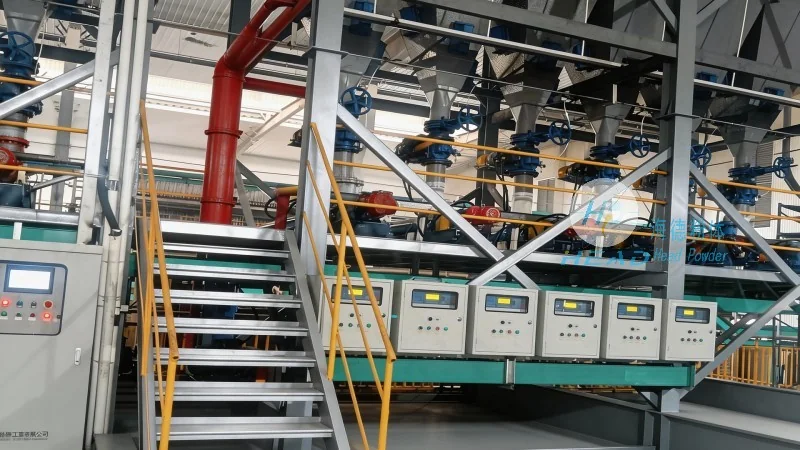
Basic Principle of Pneumatic Conveying for Polyethylene Pellets
Pneumatic conveying systems operate by utilizing air flow to move solid materials through a pipeline. In the case of polyethylene pellets, these systems can be categorized into two primary types: positive pressure and negative pressure (or vacuum) systems. Positive pressure systems use a blower to generate compressed air that propels the pellets forward, while negative pressure systems create a vacuum at the receiving end to draw the material through the line. The choice between these systems depends on factors such as the distance to be covered, the volume of material to be transported, and the specific characteristics of the polyethylene pellets, including their size, density, and moisture content.
Key Working Scene Characteristics
The effectiveness of pneumatic conveying equipment for polyethylene pellets is heavily influenced by the operational environment and the specific requirements of the application. Several key characteristics define how these systems perform in different working scenarios:
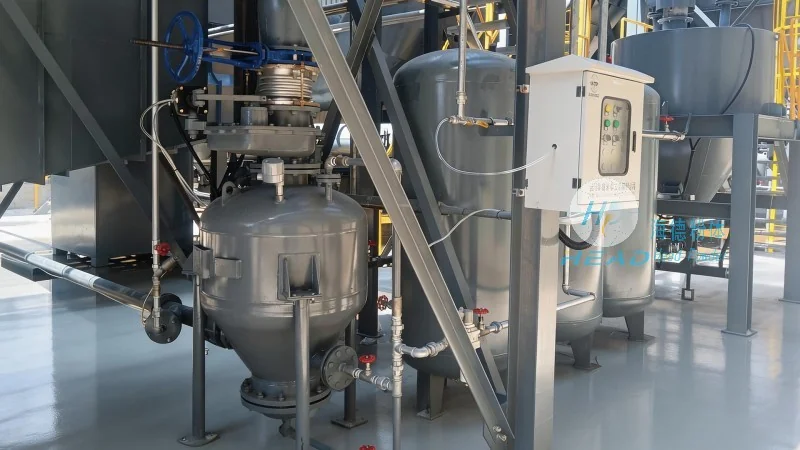
1. Material Handling in Plastic Manufacturing Plants
In plastic manufacturing facilities, polyethylene pellets are often transported from storage silos to processing lines, such as extruders or injection molding machines. The working scene here typically involves high-volume, continuous operation, with the need for reliable, low-maintenance equipment. Pneumatic conveying systems excel in this context by providing a closed-loop transport solution that minimizes dust exposure and contamination, which is critical for maintaining product quality. The equipment from headpowder is designed to handle these demands, ensuring consistent material flow and reducing downtime associated with manual handling or alternative transport methods.
2. Application in Chemical Processing and Storage
Chemical processing plants that handle polyethylene pellets as raw materials or intermediates require robust and safe material transport solutions. The working scene in this sector often involves the need to move materials between different processing stages or from bulk storage to processing equipment. Pneumatic conveying systems offer advantages such as the ability to transport materials over long distances without the need for multiple transfer points, which can be costly and inefficient with traditional methods like conveyor belts or trucks. The equipment from headpowder is engineered to meet the stringent safety and regulatory standards of the chemical industry, ensuring that polyethylene pellets are handled in a manner that prevents dust explosions and other hazards.
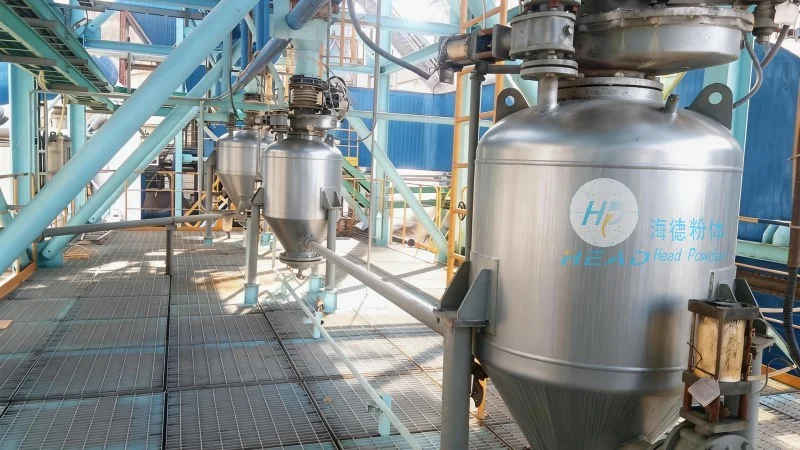
3. Use in Bulk Material Handling and Distribution
Bulk material handling operations, including those involved in the distribution of polyethylene pellets to various end-users, benefit from the flexibility and scalability of pneumatic conveying systems. The working scene here may involve transporting materials from a central warehouse to multiple delivery points or integrating with existing logistics networks. Pneumatic conveying allows for the efficient movement of large quantities of pellets while maintaining product integrity and reducing the risk of damage or spillage. The systems provided by Shandong HeadPowder Engineering Co., Ltd. are adaptable to varying throughput requirements and can be integrated with other handling equipment, such as silos and loading/unloading stations, to create a seamless material flow process.
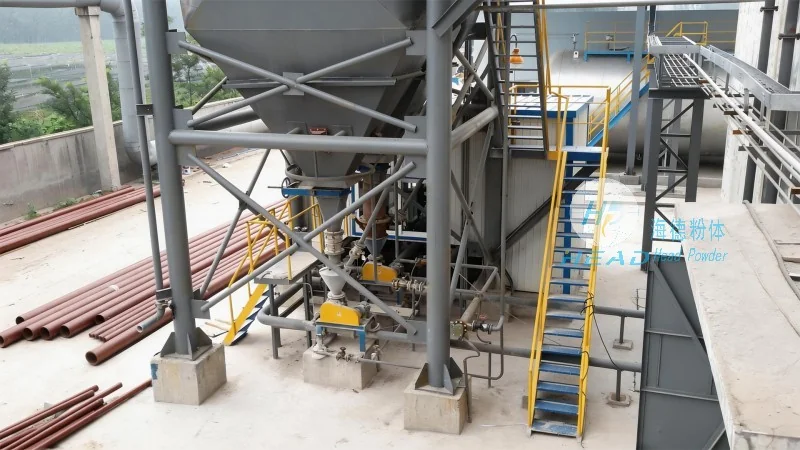
4. Environmental and Operational Efficiency Considerations
Modern industrial applications increasingly prioritize environmental sustainability and operational efficiency. Pneumatic conveying equipment for polyethylene pellets addresses these concerns by offering a closed system that minimizes material loss and reduces the need for manual intervention. The working scene characteristics in this context include the ability to handle materials with minimal dust generation, which is beneficial for maintaining a clean and safe working environment. Additionally, the energy efficiency of modern pneumatic conveying systems, particularly those using variable frequency drives (VFDs) to control air flow, contributes to lower operational costs and reduced environmental impact. The equipment from headpowder incorporates these advancements, ensuring that users can achieve optimal performance while adhering to industry standards and sustainability goals.
Conclusion
Pneumatic conveying equipment for polyethylene pellets plays a vital role in modern industrial operations, offering a reliable and efficient means of material handling across diverse working scenarios. The principles of air-based transport, combined with the specific design considerations for polyethylene pellets, enable these systems to meet the demands of various industries, including plastic manufacturing, chemical processing, and bulk distribution. With a focus on quality and innovation, Shandong HeadPowder Engineering Co., Ltd. provides pneumatic conveying solutions that are tailored to the unique requirements of each application, ensuring optimal performance, safety, and operational efficiency.