

Principle and Working Scene Characteristics of Gas-Pneumatic Conveying Equipment for Calcium Carbide
Gas-pneumatic conveying equipment for calcium carbide dust removal and material handling plays a crucial role in modern industrial processes, particularly in facilities that handle calcium carbide, a key raw material in the production of acetylene gas. This equipment is designed to efficiently collect, transport, and manage dust and fine particles generated during the production and processing of calcium carbide, ensuring compliance with environmental regulations and maintaining operational efficiency. The equipment is developed by Shandong HeadPowder Engineering Co., Ltd., a leading provider of industrial material handling solutions based in China.
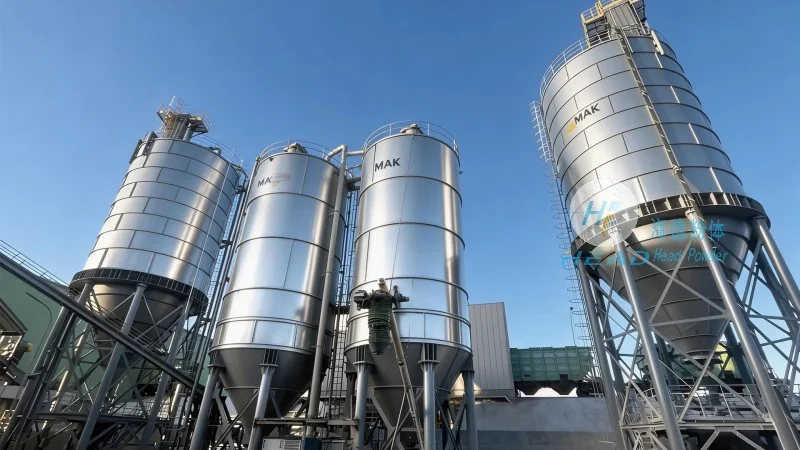
Introduction to Gas-Pneumatic Conveying Technology
Gas-pneumatic conveying, also known as pneumatic conveying, is a method of transporting bulk materials through a pipeline using air or other gas as the conveying medium. Unlike mechanical conveying systems that rely on belts, screws, or buckets, pneumatic systems utilize pressure differentials to move materials, offering advantages such as flexibility in layout, reduced equipment footprint, and the ability to handle a wide range of particle sizes and densities. For calcium carbide dust, which is typically fine and abrasive, a specialized conveying system is essential to prevent material degradation and equipment wear.
Principle of Operation for Calcium Carbide Dust Conveying Equipment
The core principle of the gas-pneumatic conveying equipment for calcium carbide dust involves creating a pressure differential within the conveying pipeline. The system typically consists of a dust collector, a blower or compressor to generate the air flow, a conveying line, and a discharge point. The dust is first collected from the production area using a dust collector, which may be equipped with filters or cyclones to separate the fine particles from the air stream. The collected dust is then introduced into the conveying line, where the high-pressure air flow propels the particles through the pipeline to the discharge point, such as a storage silo or processing unit.
Key components of this equipment include the dust collector, which may be a baghouse or cyclone, the blower that provides the necessary air pressure (typically ranging from 0.5 to 1.5 bar), the conveying pipeline (often made of stainless steel or other corrosion-resistant materials to withstand the abrasive nature of calcium carbide dust), and the control system that regulates the air flow and material feed. The design of the system is critical to ensure efficient dust removal and minimal material loss, as calcium carbide dust can be hazardous if released into the environment and can also cause operational issues if not properly managed.
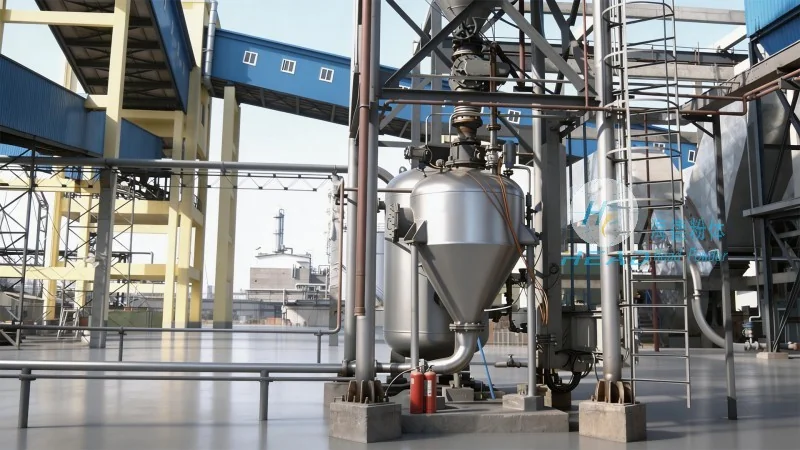
Working Scene Characteristics and Application Environments
The working scene characteristics of this equipment are tailored to the specific needs of industrial facilities that produce or process calcium carbide. These environments often involve high temperatures, chemical reactivity, and the presence of fine dust, which require specialized equipment to handle safely and effectively. The equipment is commonly used in the following scenarios:
- Calcium Carbide Production Plants: In these facilities, the equipment is used to collect dust from the reaction chambers, where calcium carbide is produced by reacting calcium oxide with carbon at high temperatures. The dust is then conveyed to a storage area or further processing unit, preventing contamination and ensuring product quality.
- Industrial Processing Facilities: For facilities that use calcium carbide as a raw material, such as in the production of acetylene gas or other chemical products, the equipment is used to transport the dust from storage silos to processing equipment. This ensures a continuous supply of material while maintaining a clean and safe working environment.
- Environmental Compliance Areas: Many industrial facilities are required to meet strict environmental regulations regarding dust emissions. The gas-pneumatic conveying equipment helps achieve this by capturing and transporting dust from the production process, reducing the amount of particulate matter released into the atmosphere and minimizing the risk of dust-related health hazards for workers.
Additionally, the equipment is designed to operate in environments with varying conditions, such as high humidity or temperature fluctuations. The use of corrosion-resistant materials and advanced control systems ensures that the equipment remains reliable and efficient over time, even in challenging industrial settings.
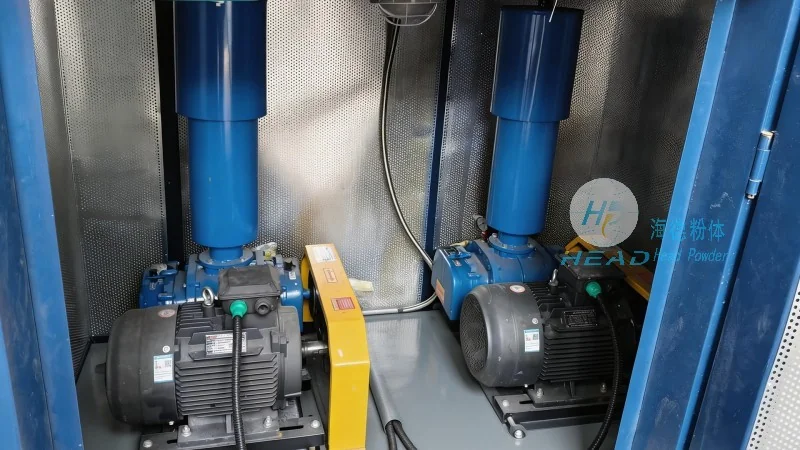
Advantages of Using Gas-Pneumatic Conveying for Calcium Carbide Dust
Compared to traditional mechanical conveying systems, gas-pneumatic conveying offers several advantages for handling calcium carbide dust:
- Efficiency and Flexibility: The system can be easily integrated into existing production lines and can handle changes in material flow rates or pipeline layout without significant modifications.
- Reduced Equipment Wear: Since the material is transported by air rather than mechanical components, the equipment experiences less wear and tear, leading to lower maintenance costs and longer operational life.
- Improved Safety: By containing the dust within the pipeline, the system reduces the risk of dust explosions or inhalation by workers, enhancing workplace safety.
- Environmental Benefits: The equipment helps minimize dust emissions, contributing to better air quality and compliance with environmental regulations.
These advantages make gas-pneumatic conveying an ideal solution for facilities that require efficient, safe, and environmentally friendly handling of calcium carbide dust and related materials.
Conclusion
Gas-pneumatic conveying equipment for calcium carbide dust removal and material handling is a critical component in modern industrial operations, offering efficient, flexible, and safe solutions for managing fine particles in production and processing environments. By understanding the principles of operation and the working scene characteristics, industrial facilities can select and implement the most appropriate equipment to meet their specific needs, ensuring operational efficiency, environmental compliance, and worker safety.