

Principle and Working Scene Characteristics of Diatomite Powder Material Pneumatic Conveying Equipme
For industries dealing with diatomite powder, efficient material handling is crucial to maintain production efficiency and operational safety. Pneumatic conveying equipment, specifically designed for diatomite powder, offers a reliable solution that integrates advanced engineering principles with practical application in various industrial settings. This article explores the core principles behind such systems, alongside the key characteristics that define their operational effectiveness in real-world scenarios.
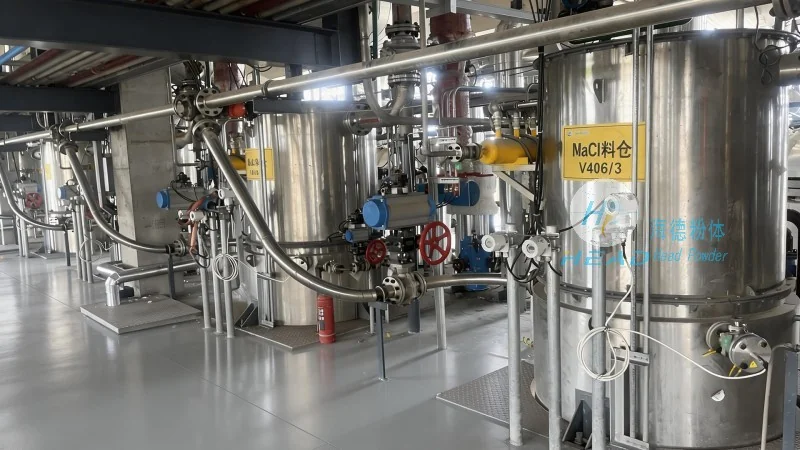
Introduction to Diatomite Powder Pneumatic Conveying Systems
Shandong HeadPowder Engineering Co., Ltd., a leading manufacturer in the field, specializes in developing and supplying pneumatic conveying solutions tailored to the unique properties of diatomite powder. Based in Shandong, China, the company leverages decades of industry experience to craft equipment that meets the stringent demands of modern processing facilities. The diatomite powder material, known for its lightweight, porous structure and high surface area, presents specific challenges in transportation—such as dust generation, caking, and flow variability. Pneumatic conveying systems address these challenges by utilizing air to transport the powder in a controlled manner, ensuring minimal product degradation and optimal process integration.
The Fundamental Principle of Pneumatic Conveying
Pneumatic conveying operates on the principle of using air as a medium to move solid particles. There are two primary modes: suction (or vacuum) and pressure. In suction systems, a vacuum is created at the material source to draw the powder into the conveying line, while pressure systems use compressed air to push the material from a storage or processing point. For diatomite powder, suction systems are often preferred due to their ability to handle fine particles and reduce dust exposure at the source. The system typically consists of a hopper, a rotary valve (for controlled material discharge), a conveying line, and a receiver where the material is deposited. The air flow rate and pressure are carefully calibrated to ensure consistent particle transport without causing excessive wear or degradation.
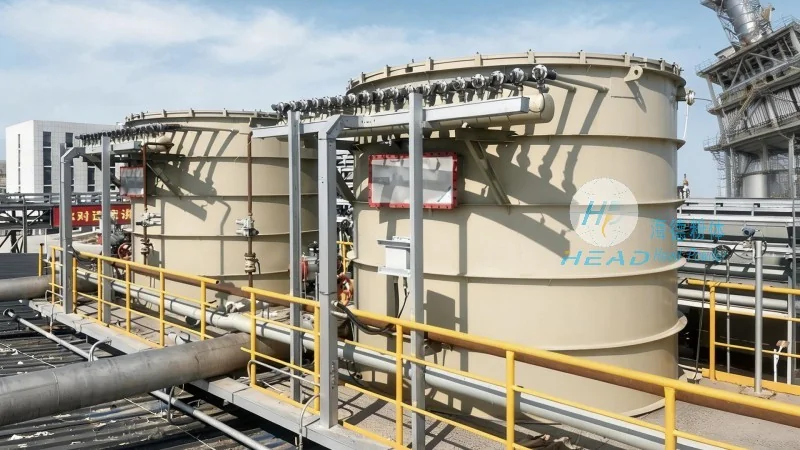
Key Working Scene Characteristics of Diatomite Powder Pneumatic Conveying Equipment
The operational characteristics of diatomite powder pneumatic conveying equipment are shaped by several critical factors that directly impact performance in industrial environments. Firstly, the system’s ability to handle high volumes of fine powder with minimal pressure drop is essential. Diatomite’s low bulk density and tendency to form agglomerates require equipment with smooth, non-clogging components, such as flexible hoses or specially designed pipelines. Secondly, dust control is a paramount concern. The equipment incorporates features like sealed hoppers, dust collection systems, and air filtration to comply with environmental regulations and protect personnel. Thirdly, energy efficiency is a key consideration. Modern systems utilize variable frequency drives (VFDs) to adjust air flow based on demand, reducing energy consumption compared to traditional constant-speed systems. Additionally, the equipment’s adaptability to varying particle sizes and moisture content ensures consistent performance across different production stages.
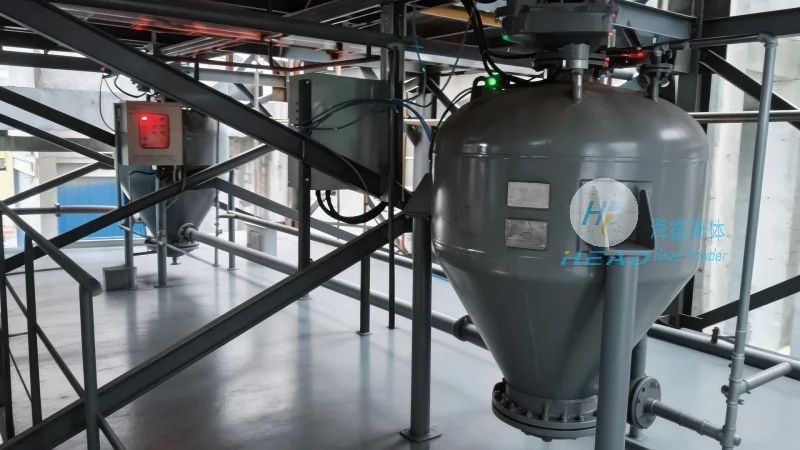
Practical Applications and Operational Advantages
In real-world applications, diatomite powder pneumatic conveying systems are deployed in a range of industrial processes, from raw material transport to finished product packaging. For example, in mining operations, the equipment efficiently moves diatomite from storage silos to processing lines, minimizing manual handling and reducing the risk of dust exposure. In manufacturing facilities, it facilitates the transfer of diatomite to mixing or grinding units, ensuring uniform material distribution and consistent product quality. The operational advantages extend beyond efficiency: the systems are compact, requiring less floor space compared to traditional bulk handling methods, and offer greater flexibility in layout adjustments. Furthermore, their ability to operate in closed systems enhances safety by preventing dust dispersion into the workplace environment.
Conclusion and Company Expertise
As the demand for efficient and reliable material handling solutions in the diatomite industry grows, pneumatic conveying equipment from Shandong HeadPowder Engineering Co., Ltd. stands out as a trusted choice. By integrating advanced engineering principles with practical industry insights, the company’s systems deliver consistent performance, energy savings, and environmental compliance. Whether for new installations or upgrades to existing facilities, the diatomite powder pneumatic conveying equipment from HeadPowder provides a robust solution that aligns with the operational needs of modern processing plants. With a strong presence in Shandong, China, the company continues to innovate and adapt its technology to meet the evolving demands of the industry, ensuring long-term reliability and customer satisfaction.