

Principle and Working Scene Characteristics of Sodium Nitrate Material Pneumatic Conveying Equipment
HeadPowder, a leading engineering company based in Shandong, China, specializes in the design and manufacturing of advanced pneumatic conveying systems tailored for handling sodium nitrate and other bulk materials. This article explores the fundamental principles behind these systems and highlights their key working scene characteristics, providing insights into their efficiency and reliability in industrial applications.
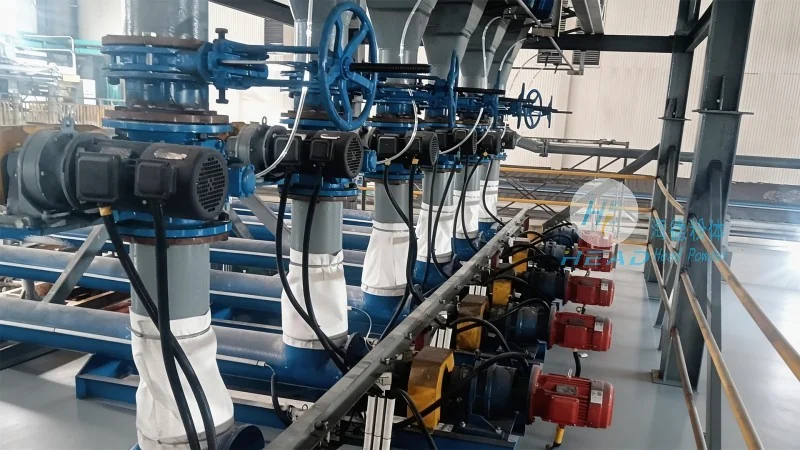
Introduction to Sodium Nitrate Pneumatic Conveying Systems
Sodium nitrate, a critical chemical compound widely used in agriculture, food preservation, and industrial processes, requires efficient and safe material handling solutions to ensure smooth production workflows. Pneumatic conveying systems offer a non-contact, low-cost method for transporting sodium nitrate and other powders, granules, or bulk solids over varying distances. These systems utilize air or gas to move materials through a pipeline network, eliminating the need for mechanical components like belts or buckets that may cause contamination or material degradation.
Core Principles of Pneumatic Conveying Technology
The operation of a sodium nitrate pneumatic conveying system is based on the fundamental principle of fluidization and gas-solid flow. The system typically consists of a material hopper, a feeder, a conveying line, and a receiver. The material is fed into the system from the hopper, where it is then pneumatically transported through the pipeline by a moving air stream. The air velocity within the pipeline is maintained at a level sufficient to keep the sodium nitrate particles suspended, preventing blockages and ensuring consistent flow. The system may employ either positive pressure (pressure conveying) or negative pressure (vacuum conveying) to move the material, depending on the application requirements and distance of transport.
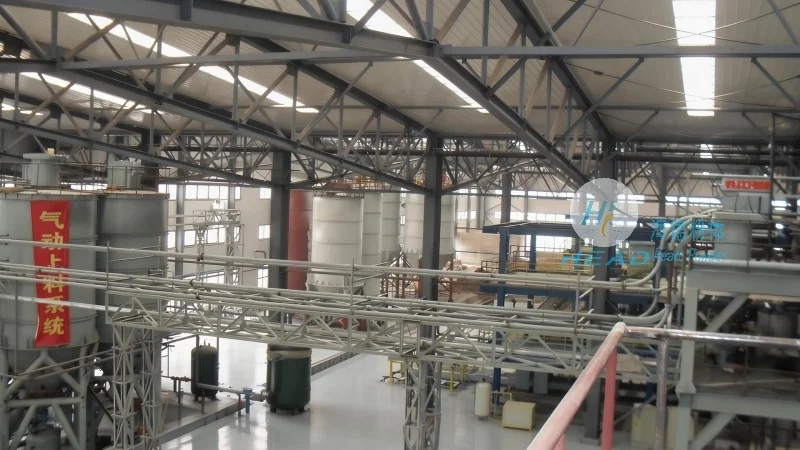
Key Working Scene Characteristics
The working scene characteristics of sodium nitrate pneumatic conveying equipment are tailored to meet the specific demands of industrial environments. These systems are designed to handle the unique properties of sodium nitrate, such as its hygroscopic nature and potential for dust generation. The equipment is constructed with materials that are resistant to corrosion and chemical reactions, ensuring long-term durability and safety. In industrial settings, these systems are often integrated into larger production lines, where they facilitate the seamless transfer of sodium nitrate from storage to processing units, or from processing to packaging areas. The flexibility of pneumatic conveying allows for easy integration with existing infrastructure, reducing installation time and costs.
Efficiency and Reliability in Industrial Applications
One of the primary advantages of sodium nitrate pneumatic conveying systems is their high efficiency in material transport. By eliminating the need for manual handling or mechanical conveyors, these systems reduce labor costs and minimize the risk of material spillage or contamination. The consistent flow of material ensures that production processes run smoothly, with minimal downtime due to equipment failures or blockages. Additionally, the enclosed nature of the conveying system helps maintain a controlled environment, preventing dust dispersion and ensuring compliance with safety regulations. The reliability of these systems is further enhanced by their simple design and minimal moving parts, which reduces maintenance requirements and extends the operational lifespan of the equipment.
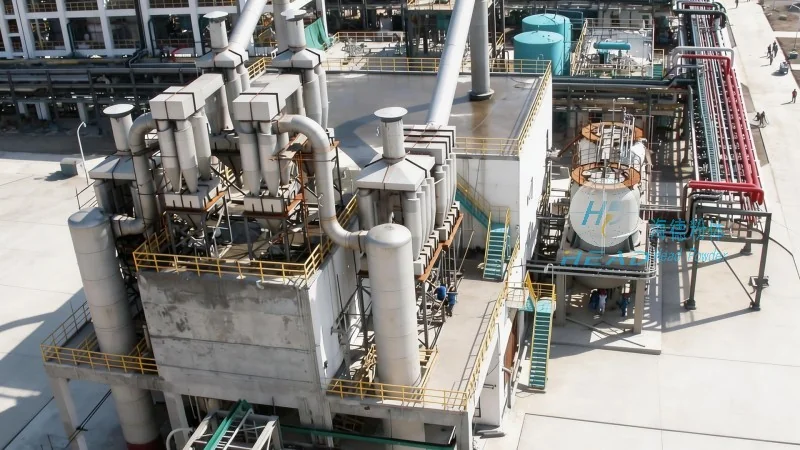
Application Examples and Industry Impact
Sodium nitrate pneumatic conveying systems are widely used in various industrial sectors, including chemical manufacturing, food processing, and agricultural production. In chemical plants, these systems are crucial for transporting sodium nitrate from storage silos to reactors or processing units, ensuring a continuous supply of raw material. In food processing facilities, the systems help maintain the purity and quality of sodium nitrate by preventing contamination from external sources. The agricultural industry also benefits from these systems, as they enable efficient distribution of sodium nitrate as a fertilizer or feed additive. The consistent and reliable operation of these systems contributes to improved productivity and cost savings for businesses operating in these sectors.
Conclusion and Company Expertise
HeadPowder Engineering Co., Ltd., with its headquarters in Shandong, China, is a trusted provider of sodium nitrate pneumatic conveying solutions. The company leverages advanced engineering and manufacturing capabilities to design customized systems that meet the specific needs of industrial clients. By adhering to rigorous quality standards and providing comprehensive technical support, HeadPowder ensures that its pneumatic conveying equipment delivers optimal performance and reliability in handling sodium nitrate and other bulk materials. The company's commitment to innovation and customer satisfaction has established it as a leading player in the field of material handling technology, serving clients across various industries with high-quality, efficient solutions.