

Principle and Working Scene Characteristics of Polyethylene Material Pneumatic Conveying Equipment
For industries handling polyethylene materials, efficient material transport is crucial to maintaining production efficiency and operational safety. Pneumatic conveying systems, particularly those designed for polyethylene, offer a reliable solution that integrates advanced engineering with practical application. This article explores the fundamental principles behind polyethylene material pneumatic conveying equipment, alongside key working scene characteristics that define its effectiveness in various industrial settings.
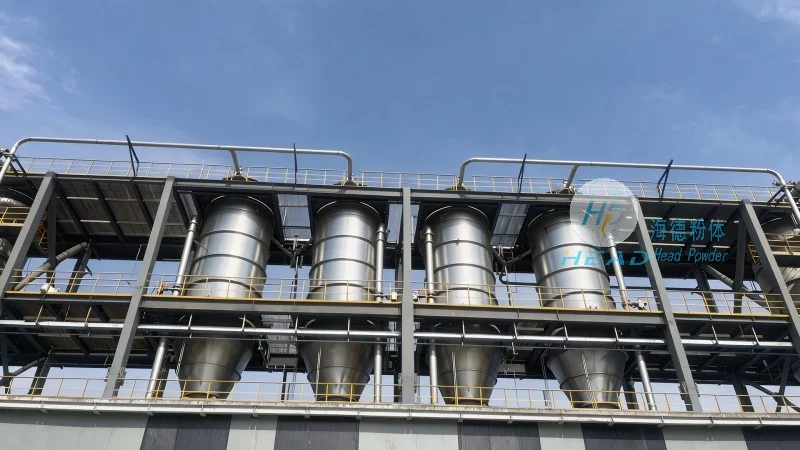
Pneumatic Conveying: A Fundamental Overview
Pneumatic conveying, also known as pneumatic transport, is a method of transporting bulk materials through a pipeline using a gas stream, typically air. In the context of polyethylene, this technology is tailored to handle the specific properties of the material, such as its density, particle size, and flow characteristics. The core principle involves creating a pressure differential within the system to move material from a source to a destination. This is achieved through either pressure or vacuum systems, with each having distinct advantages depending on the application requirements.
Working Scene Characteristics: Tailored for Polyethylene Handling
The effectiveness of polyethylene material pneumatic conveying equipment is heavily influenced by the working scene characteristics, which include the material's physical properties, the distance and layout of the transport route, and the environmental conditions of the operation. For instance, in manufacturing facilities where polyethylene pellets or granules are processed, the conveying system must accommodate the material's tendency to accumulate static charge or clump, requiring specialized design elements like anti-static features and material separation mechanisms.
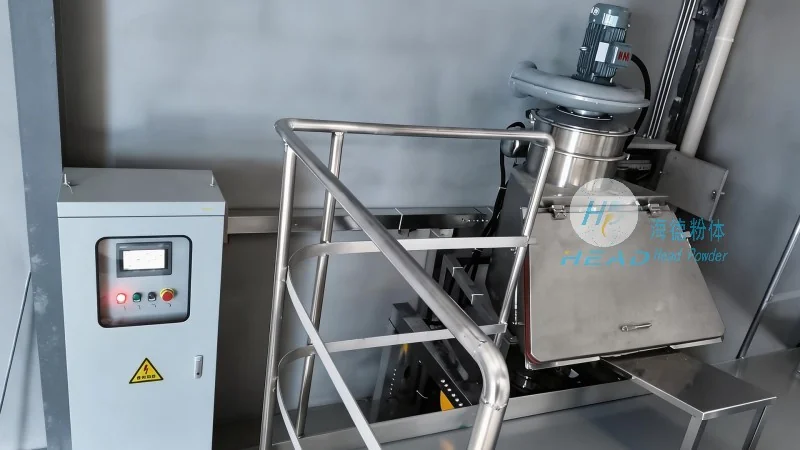
Company Background: HeadPowder Engineering's Expertise
Shandong HeadPowder Engineering Co., Ltd., based in Shandong, China, specializes in the design, manufacturing, and implementation of advanced pneumatic conveying solutions. With a focus on material handling technologies, the company leverages decades of industry experience to develop systems that meet the unique demands of polyethylene processing. Their expertise extends to customizing equipment to suit diverse production environments, ensuring optimal performance and reliability.
Key Technical Features and Advantages
Polyethylene material pneumatic conveying systems from HeadPowder Engineering are equipped with several technical features that enhance their functionality. These include high-efficiency air motors, adjustable pressure control systems, and durable material handling components designed to withstand the abrasive nature of polyethylene. The systems are also engineered for energy efficiency, reducing operational costs while maintaining consistent material flow rates. Additionally, the design incorporates safety features to prevent material leakage and ensure compliance with industrial safety standards.
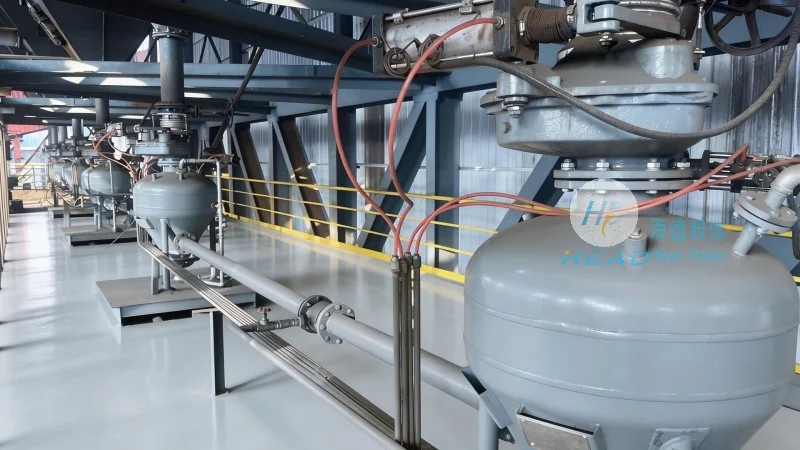
Application Scenarios: Diverse Industrial Uses
The working scene characteristics of polyethylene material pneumatic conveying equipment make it suitable for a wide range of applications. In plastic manufacturing plants, these systems are used to transport raw polyethylene pellets from storage silos to processing machines, ensuring a continuous supply of material. In recycling facilities, pneumatic conveyors are employed to move reclaimed polyethylene from sorting areas to reprocessing units, facilitating the recycling process. Furthermore, in chemical and petrochemical industries, the equipment is utilized to handle polyethylene waste or byproducts, contributing to waste management and resource recovery.
Conclusion: Optimizing Polyethylene Handling with Pneumatic Conveying
As industries continue to rely on polyethylene for various products, the importance of efficient material transport cannot be overstated. Pneumatic conveying systems, particularly those designed by Shandong HeadPowder Engineering Co., Ltd., offer a robust and adaptable solution that addresses the unique challenges of polyethylene handling. By understanding the principle and working scene characteristics of these systems, manufacturers can enhance operational efficiency, reduce downtime, and improve overall productivity. The integration of advanced engineering and practical application ensures that polyethylene material pneumatic conveying equipment remains a vital component in modern industrial processes.