

Principle and Working Scene Characteristics of Air-Driven Pneumatic Conveying Equipment for Fine Lig
HeadPowder, a leading manufacturer based in Shandong, China, specializes in the design and production of advanced air-driven pneumatic conveying systems tailored for handling fine light sand materials. This equipment is engineered to efficiently transport granular or powdery materials through a pipeline using compressed air, offering a reliable and flexible solution for various industrial applications. The following sections will delve into the fundamental principles of this technology and the specific working scene characteristics that define its effectiveness.
The Core Principle of Air-Driven Pneumatic Conveying
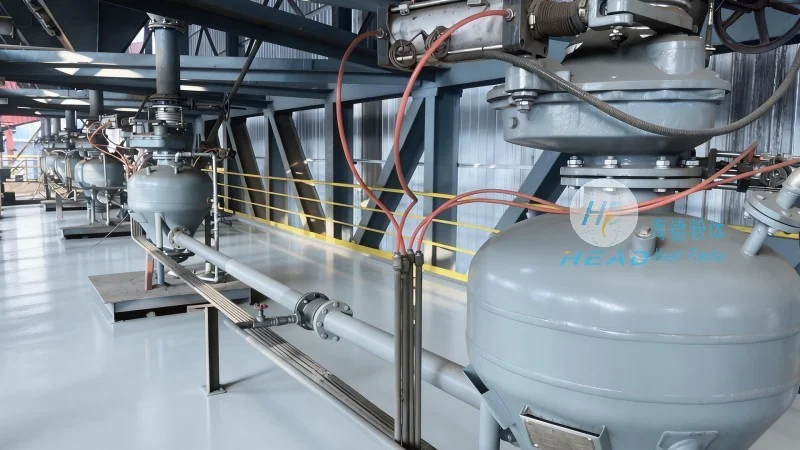
The air-driven pneumatic conveying system operates on the principle of transporting bulk materials by suspending them in a stream of air within a closed pipeline. This method, also known as pneumatic conveying, utilizes the kinetic energy of the air to move the material from the source to the destination. The system typically consists of a blower or compressor that generates the necessary air pressure, a hopper or feeder to introduce the material, a pipeline network to guide the flow, and a receiver or discharge point to collect the material. The key to efficient operation lies in maintaining the material in a suspended state, which requires precise control of air velocity and material feed rate. For fine light sand materials, the system must be optimized to prevent particle segregation, agglomeration, or excessive wear on components. HeadPowder's engineering expertise ensures that their equipment is designed with high-quality materials and advanced control systems to achieve optimal performance under varying conditions.
Working Scene Characteristics of the Equipment
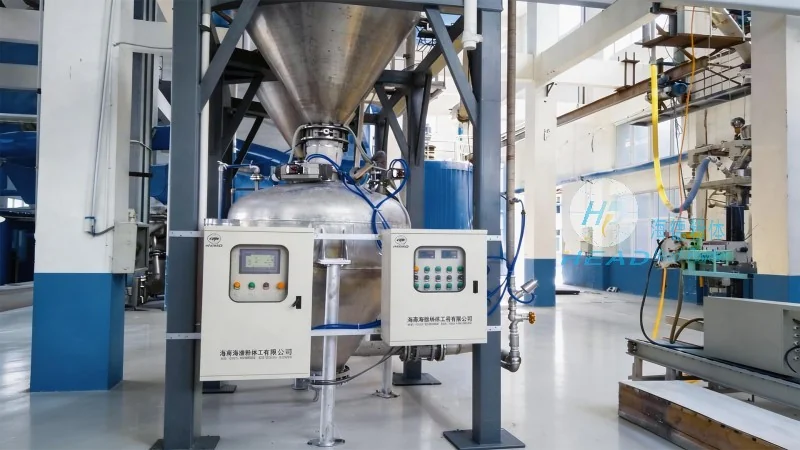
The working scene characteristics of air-driven pneumatic conveying equipment for fine light sand materials are shaped by several critical factors that influence its application and effectiveness. Firstly, the system's ability to handle fine particles without clogging or blockages is a primary consideration. Fine light sand particles are prone to sticking to pipeline walls or forming deposits, which can disrupt the flow and reduce efficiency. HeadPowder's equipment incorporates features such as smooth internal surfaces, anti-static coatings, and specialized hopper designs to mitigate these issues. Secondly, the system's energy efficiency and operational cost are significant factors in industrial settings. The air pressure and flow rate required to transport fine materials can impact energy consumption, and HeadPowder's designs focus on minimizing energy usage while maintaining consistent material transport rates. This is achieved through optimized blower selection, variable speed drives, and efficient pipeline layouts that reduce pressure losses. Thirdly, the system's adaptability to different material properties and processing requirements is essential. Fine light sand materials may vary in density, moisture content, or particle size, and the equipment must be capable of handling these variations without compromising performance. HeadPowder's modular design allows for customization, enabling clients to adjust the system based on their specific material characteristics and production needs. Additionally, the system's safety features, such as pressure relief valves and explosion-proof components, are critical in industrial environments where fine powders can pose fire or explosion risks. HeadPowder's equipment adheres to international safety standards, ensuring reliable operation in potentially hazardous working scenes.
Applications and Performance in Real-World Scenarios
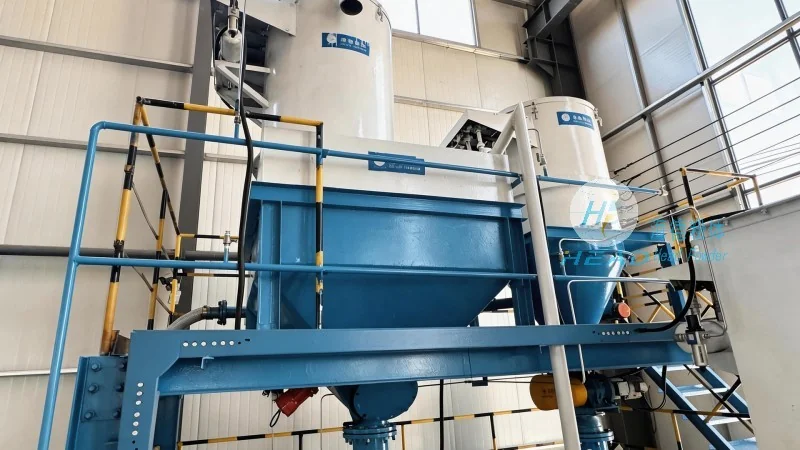
Real-world applications of air-driven pneumatic conveying equipment for fine light sand materials span across various industries, including construction, mining, and manufacturing. In the construction sector, the equipment is commonly used to transport sand and other fine aggregates from storage silos to concrete mixing plants or batching stations. The ability to deliver materials directly to the point of use reduces handling time and improves production efficiency. In mining operations, the system is employed to transport fine ore or sand from processing facilities to storage or shipping locations, facilitating seamless material flow in large-scale operations. The manufacturing industry also benefits from this technology, particularly in processes that require precise control over material feed rates, such as in the production of concrete, mortar, or other building materials. The consistent and controlled delivery of fine light sand ensures uniform product quality and reduces waste. In these working scenes, the equipment's reliability and durability are paramount. HeadPowder's equipment has demonstrated long-term performance in demanding environments, with minimal downtime and maintenance requirements. The company's commitment to quality control and customer support ensures that clients receive equipment that meets their specific operational needs and provides reliable service over the equipment's lifespan.
Conclusion and Company Overview
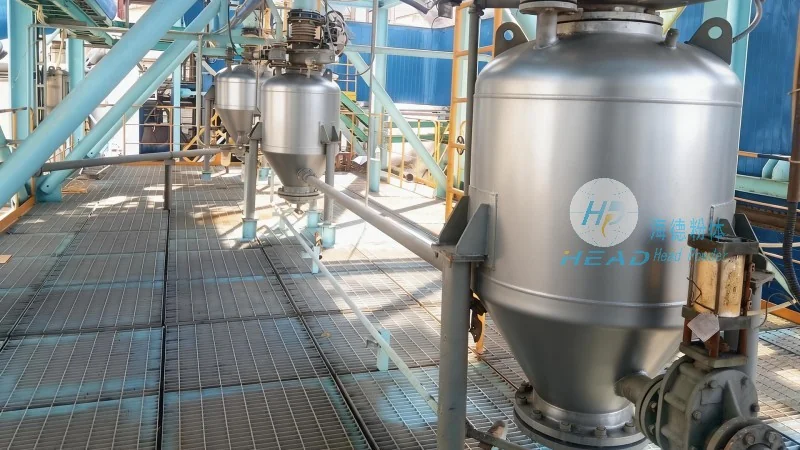
HeadPowder Engineering Co., Ltd., based in Shandong, China, is a trusted provider of air-driven pneumatic conveying equipment for fine light sand materials. The company's expertise in engineering and manufacturing ensures that their products are designed to meet the unique challenges of handling fine, light materials, offering efficient, reliable, and cost-effective solutions for various industrial applications. By focusing on the core principles of pneumatic conveying and tailoring their equipment to specific working scene characteristics, HeadPowder delivers systems that enhance productivity, reduce operational costs, and improve overall material handling efficiency. With a strong commitment to quality and customer satisfaction, HeadPowder continues to be a leader in the field, providing innovative solutions for the transportation of fine light sand materials in diverse industrial settings.