

Principle and Application Scenarios of Pneumatic Conveying Systems for Iron Oxide Powder Materials
For industries dealing with iron oxide powder, efficient material handling is crucial to maintaining production efficiency and product quality. Pneumatic conveying systems have emerged as a key solution, offering a reliable method to transport these fine powders over various distances and within different operational environments. This article explores the fundamental principles behind such systems and highlights the specific application scenarios where they excel, with a focus on the expertise of Shandong HeadPowder Engineering Co., Ltd., a leading provider in the field.
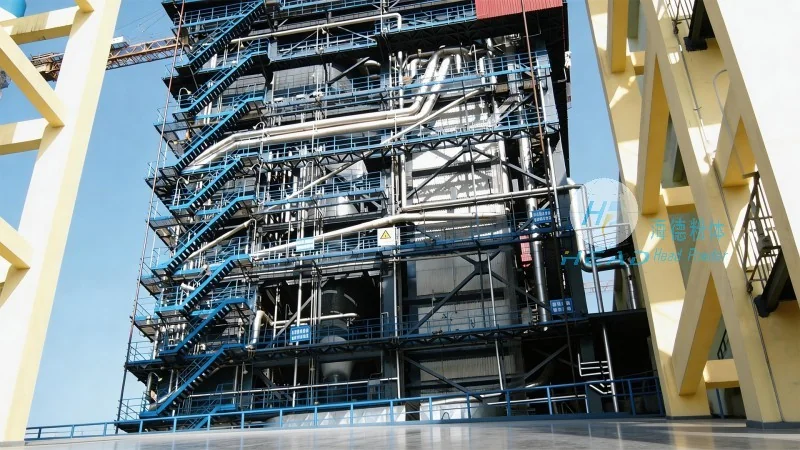
The Core Principle of Pneumatic Conveying for Iron Oxide Powder
The fundamental principle of pneumatic conveying involves using a pressurized or suction air stream to transport bulk materials like iron oxide powder. The system typically consists of a hopper, a conveyor line (often with bends and vertical sections), and a discharge point. In a positive pressure system, air is forced into the conveyor line, creating a flow that lifts and moves the powder particles. Conversely, in a negative pressure (or vacuum) system, air is drawn out, creating a suction that pulls the powder. The choice between positive and negative pressure depends on factors such as the material's properties, the distance to be covered, and the need for dust control. For iron oxide powder, which is often fine and prone to dust, positive pressure systems are commonly preferred due to their ability to maintain consistent air pressure and minimize particle degradation.
Key Components and Their Function in the System
Several critical components work in tandem to ensure the smooth operation of a pneumatic conveying system for iron oxide powder. The hopper serves as the storage and feeding unit, where the powder is loaded and prepared for transport. The feeder, often a rotary valve or a vibratory feeder, regulates the flow rate of the powder into the conveyor line, preventing blockages and ensuring a steady supply. The conveyor line itself is designed with appropriate diameters and smooth surfaces to minimize friction and particle attrition. For vertical sections, special designs like helical or screw conveyors are used to handle the vertical lift efficiently. The discharge unit, such as a rotary valve or a venturi, controls the release of the powder at the destination point, ensuring precise delivery. Additionally, dust collection systems are integrated to capture any airborne particles, maintaining environmental compliance and product purity.
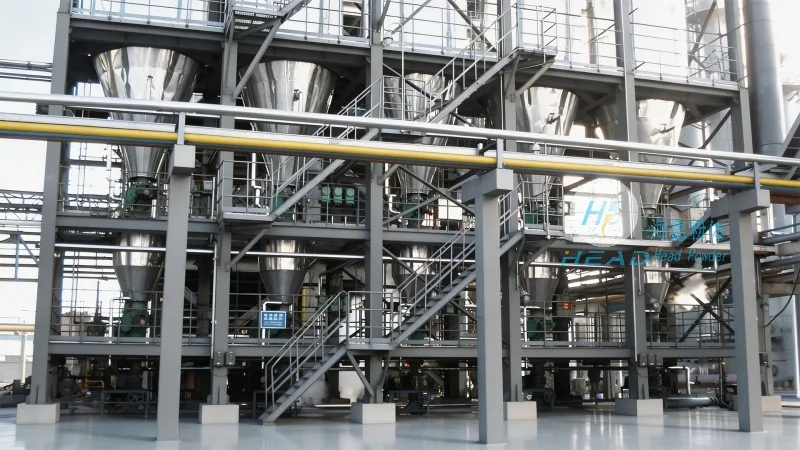
Application Scenarios Where Pneumatic Conveying Excels
Pneumatic conveying systems are particularly well-suited for handling iron oxide powder in various industrial settings. One common application is in the pigment and coating industries, where iron oxide is used as a colorant. Here, the system efficiently transports the powder from storage silos to mixing and processing equipment, ensuring consistent coloration and reducing manual handling risks. Another key scenario is in the manufacturing of iron oxide-based catalysts or chemicals, where precise dosing and minimal contamination are critical. The system allows for accurate control of the powder flow, enabling manufacturers to meet stringent quality standards. In the construction materials sector, iron oxide is used in concrete and paint production. Pneumatic conveying facilitates the transport of the powder from raw material storage to production lines, improving operational efficiency and reducing downtime. Furthermore, in the pharmaceutical and food industries, where product purity is paramount, pneumatic conveying systems are preferred over mechanical systems to avoid cross-contamination and maintain hygienic conditions. The gentle handling of the powder in these systems ensures that the material remains free from contaminants, meeting regulatory requirements.
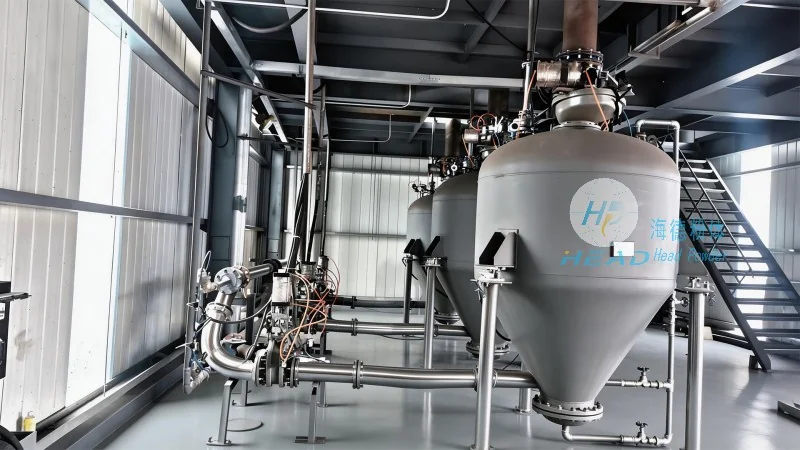
Advantages of Using Pneumatic Conveying for Iron Oxide Powder
Compared to traditional mechanical conveying methods like belt or screw conveyors, pneumatic conveying offers several advantages for iron oxide powder handling. One of the most significant benefits is the ability to transport materials over long distances without the need for intermediate transfer points, reducing the risk of material degradation and spillage. The system also provides better dust control, as the enclosed conveyor line prevents dust from escaping into the environment, enhancing workplace safety and compliance with environmental regulations. Additionally, pneumatic conveying allows for flexible routing, enabling the system to be adapted to existing facility layouts without major structural changes. The gentle handling of the powder minimizes particle breakage and agglomeration, preserving the material's physical properties and ensuring consistent performance in downstream processes. For iron oxide powder, which is often sensitive to moisture and temperature changes, the enclosed nature of the system helps maintain stable conditions, preventing moisture absorption and temperature fluctuations that could affect the powder's quality.
Customization and Scalability for Different Needs
Shandong HeadPowder Engineering Co., Ltd. specializes in designing and manufacturing customized pneumatic conveying systems tailored to the specific needs of iron oxide powder applications. The company's expertise lies in understanding the unique properties of iron oxide, such as its fine particle size, density, and flow characteristics, and designing systems that optimize performance. Customization options include varying the conveyor line diameter, adjusting the air pressure and flow rate, and incorporating specialized components like high-efficiency dust collectors or variable speed feeders. The systems can be scaled from small-scale laboratory applications to large industrial plants, ensuring that the solution matches the production capacity and operational requirements of the client. The company also provides comprehensive support, including installation, commissioning, and maintenance services, ensuring that the system operates at peak efficiency throughout its lifecycle.