

Operation Process and Working Principle of Fly Ash Silo Powder Conveying
At Shandong HeadPowder Engineering Co., Ltd., we specialize in the design, manufacturing, and implementation of advanced powder conveying systems tailored for industrial applications, particularly in the handling of fly ash from power plants. Our focus is on ensuring efficient, reliable, and safe material transport within fly ash silos, which is critical for maintaining operational efficiency and compliance with environmental standards. This article delves into the operational process and working principles of our fly ash silo powder conveying solutions, highlighting key components, control mechanisms, and the benefits of our engineered systems.
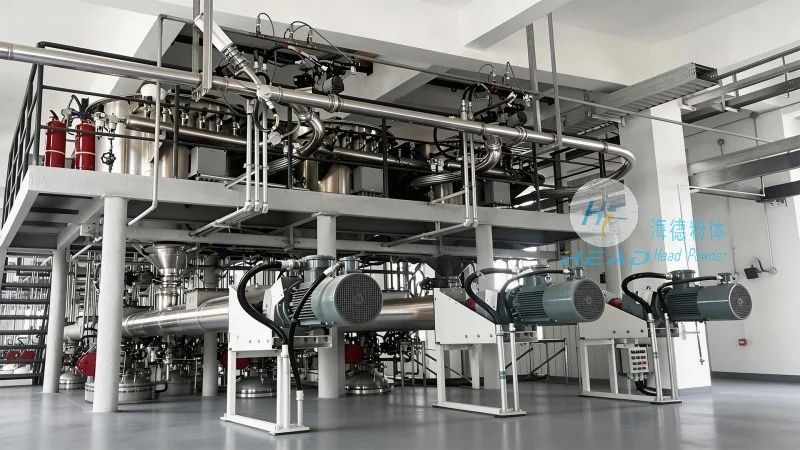
Key Components of the Powder Conveying System
The core of our fly ash silo powder conveying system consists of several integrated components that work in tandem to ensure smooth material flow. The primary elements include the fly ash silo itself, which serves as the storage vessel for the ash, and the powder conveying equipment such as screw conveyors, pneumatic systems, or mechanical feeders. Additionally, we incorporate sensors and control panels to monitor and regulate the conveying process. The silo is typically equipped with a hopper and a discharge outlet, which are connected to the conveying mechanism. The conveying equipment is designed to handle the bulk density and flow characteristics of fly ash, ensuring consistent and controlled discharge. Our systems also feature safety features like pressure relief valves and overload protection to prevent system damage and ensure operator safety.
Operation Process: From Storage to Discharge
The operation of our fly ash silo powder conveying system follows a systematic process that begins with the storage of fly ash in the silo. The fly ash is collected from the boiler and deposited into the silo, where it accumulates until it needs to be transported to a disposal or utilization site. The first step in the conveying process involves activating the conveying equipment, which may be initiated by a control panel or an automated system. The conveying mechanism then draws the fly ash from the silo hopper and transports it through the conveying line to the discharge point. The speed and pressure of the conveying system are carefully controlled to maintain a consistent flow rate, preventing clogging or uneven discharge. The system monitors the level of fly ash in the silo and adjusts the conveying rate accordingly, ensuring that the silo does not become overfilled or underfilled. This automated control helps maintain optimal operational conditions and reduces the risk of material buildup or system failure.
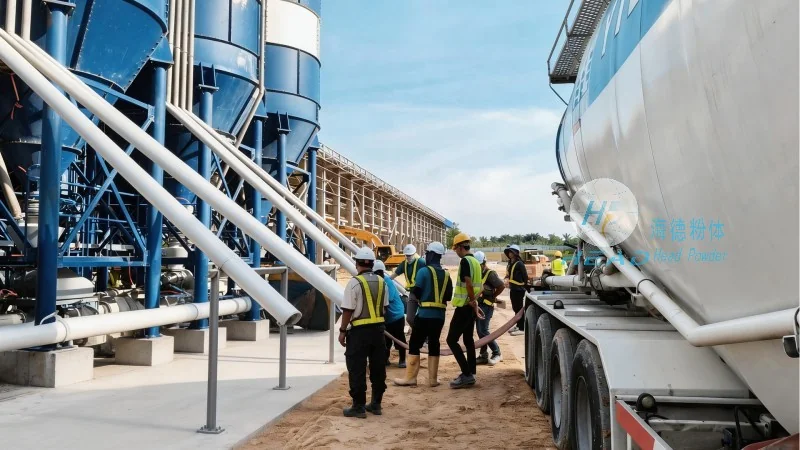
Working Principle: Mechanical and Pneumatic Conveying
Our fly ash silo powder conveying systems can utilize either mechanical or pneumatic conveying methods, depending on the specific requirements of the application. Mechanical conveying, such as screw conveyors or belt conveyors, relies on mechanical force to move the material. In this method, the fly ash is pushed or pulled through the conveying line by rotating screws or moving belts. The mechanical system is typically more suitable for handling dry, free-flowing materials like fly ash and is known for its reliability and low maintenance requirements. Pneumatic conveying, on the other hand, uses air pressure to transport the material. The system includes a blower or compressor that generates airflow, which carries the fly ash particles through the conveying line. Pneumatic systems are often preferred for applications requiring longer conveying distances or for handling materials that are more abrasive or have higher moisture content. Both methods are integrated with control systems that regulate the flow rate and pressure, ensuring efficient and safe material transport.
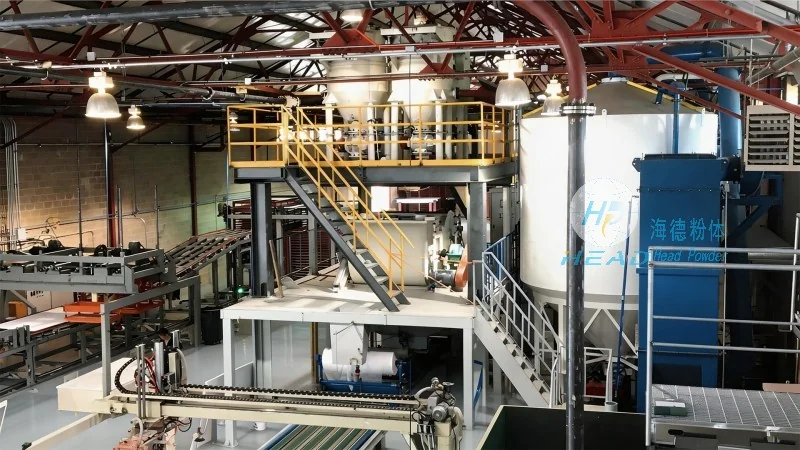
Benefits and Advantages of Our Systems
Implementing our fly ash silo powder conveying systems offers numerous benefits to industrial facilities. Firstly, the systems enhance operational efficiency by ensuring consistent and controlled discharge of fly ash, reducing downtime and improving overall productivity. The automated control features minimize the need for manual intervention, allowing operators to focus on other critical tasks. Secondly, our systems improve safety by incorporating safety features such as pressure relief valves and overload protection, which prevent system failures and protect personnel from potential hazards. Thirdly, the systems contribute to environmental compliance by ensuring that fly ash is handled and transported in a controlled manner, reducing the risk of dust emissions and contamination. Additionally, our systems are designed for durability and low maintenance, reducing long-term operational costs. The integration of advanced sensors and control panels allows for real-time monitoring and diagnostics, enabling quick identification and resolution of any issues that may arise.
Conclusion: Reliable Solutions for Fly Ash Handling
Shandong HeadPowder Engineering Co., Ltd. provides comprehensive solutions for fly ash silo powder conveying, combining advanced technology with robust engineering to meet the diverse needs of industrial applications. Our systems are designed to ensure efficient, reliable, and safe material transport, contributing to improved operational performance and environmental compliance. By leveraging our expertise in powder handling and conveying, we help facilities optimize their fly ash management processes, reducing costs and enhancing overall productivity. For more information on our fly ash silo powder conveying systems, please contact us at our office in China, Shandong.