

Operation Process and Working Principle of Waste Powder Conveying
Waste management is a critical aspect of urban development, and efficient handling of solid waste is essential for maintaining environmental sustainability. Among the various methods used in waste processing, powder conveying systems play a vital role in transporting bulk materials like municipal solid waste, industrial waste, and other powdery substances. Understanding the operation process and working principle of such systems is crucial for optimizing waste management operations and ensuring effective material handling. This article provides an in-depth exploration of the operation process and working principles of waste powder conveying, highlighting the key components, mechanisms, and operational aspects of these systems.
Key Components of Waste Powder Conveying Systems
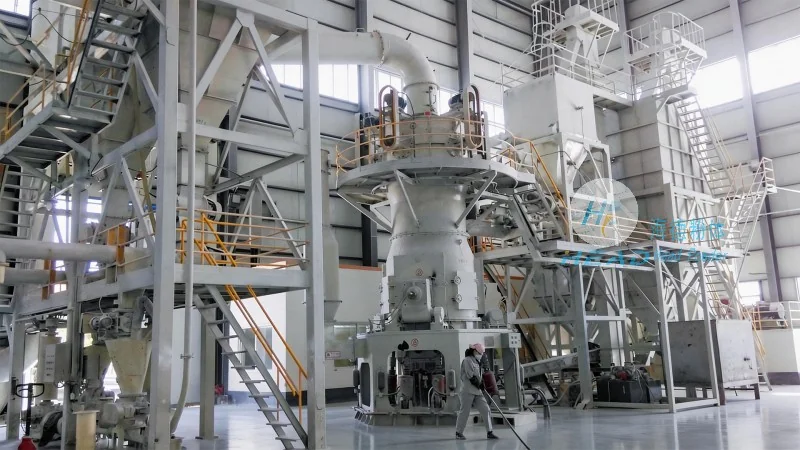
Waste powder conveying systems typically consist of several essential components that work in tandem to ensure efficient material transport. The primary components include the hopper or feed hopper, which serves as the entry point for the waste material. This component is designed to hold and feed the powdery waste into the conveying system. The hopper is often equipped with a feeding mechanism, such as a screw feeder or a rotary valve, which regulates the flow of material into the conveyor. The conveying mechanism itself, which can be pneumatic, mechanical, or a combination of both, is responsible for transporting the waste powder from the feed point to the discharge point. The system also includes a control panel or control system that monitors and regulates the operation of the conveying equipment, ensuring smooth and continuous material transport. Additionally, safety features like dust collection systems and explosion-proof designs are incorporated to address environmental and safety concerns associated with handling powdery waste.
Operation Process of Waste Powder Conveying
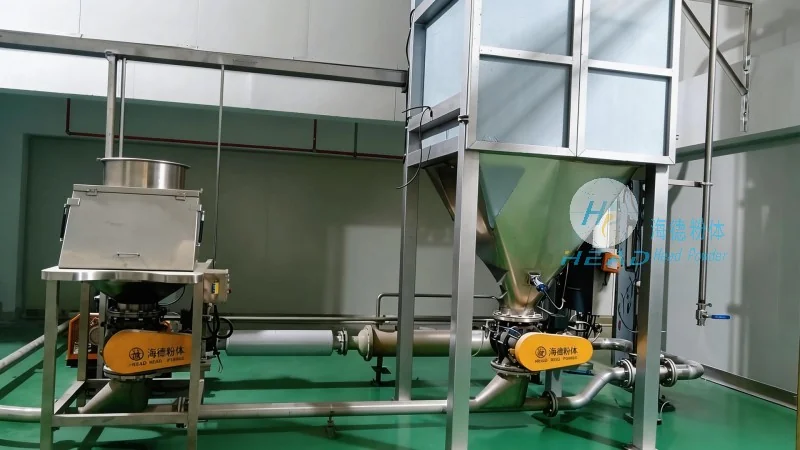
The operation process of a waste powder conveying system involves several sequential steps that ensure the efficient movement of waste material. The first step is the loading of the waste into the feed hopper. The waste material is typically deposited into the hopper from a waste collection truck or a storage area. The feeding mechanism then regulates the flow of material from the hopper into the conveying line. Depending on the type of conveying system, the material may be transported using air pressure (in pneumatic systems) or mechanical force (in mechanical systems). In pneumatic systems, compressed air is used to create a flow of air that carries the powder particles through the pipeline. The air and powder mixture moves through the pipeline to the discharge point, where the air is separated from the powder and either recirculated or released. In mechanical systems, such as screw conveyors or belt conveyors, the material is moved by rotating components that push the powder along the conveyor path. The discharge point is where the waste powder is released into a processing unit or a storage container. The control system continuously monitors the flow rate, pressure, and other parameters to maintain optimal operation and prevent blockages or other issues. Regular maintenance and cleaning of the system are also part of the operational process to ensure long-term efficiency and reliability.
Working Principle of Waste Powder Conveying Systems
The working principle of waste powder conveying systems is based on the physical properties of the powdery material and the chosen conveying method. For pneumatic conveying systems, the principle involves creating a pressure differential between the feed and discharge points. Compressed air is introduced into the system, creating a flow that lifts and transports the powder particles through the pipeline. The air velocity is carefully controlled to ensure that the powder particles are suspended and moved efficiently without causing excessive wear or pressure drop. The system relies on the balance between the air flow and the particle size, density, and moisture content of the waste material. Mechanical conveying systems, on the other hand, operate based on the principle of mechanical force. Screw conveyors use rotating screws to push the powder along the conveyor, while belt conveyors use moving belts to transport the material. The mechanical force is applied to the material, causing it to move from the feed end to the discharge end. The design of the conveyor components, such as the screw pitch, belt speed, and inclination angle, is critical in determining the efficiency and capacity of the system. The working principle also considers factors like the friction between the material and the conveyor surface, which can affect the energy consumption and wear of the system components. In both pneumatic and mechanical systems, the goal is to achieve a consistent and reliable flow of waste powder, minimizing downtime and maximizing throughput.
About Shandong HeadPowder Engineering Co., Ltd.
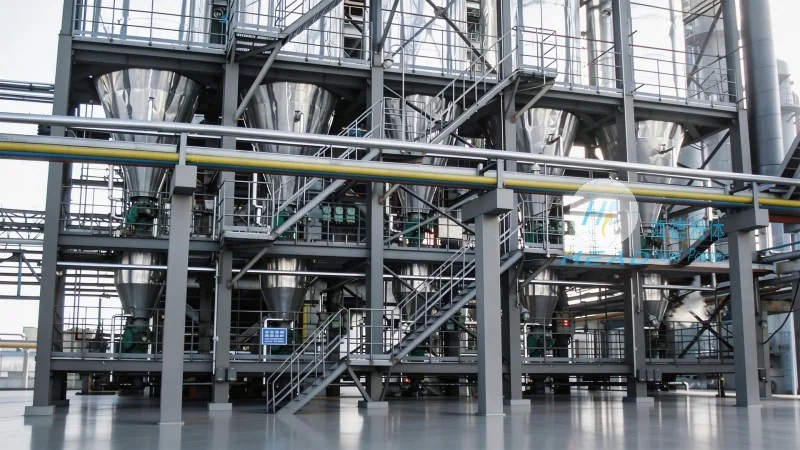
Shandong HeadPowder Engineering Co., Ltd., commonly known as HeadPowder, is a leading manufacturer and supplier of waste powder conveying systems and related equipment. With a strong commitment to innovation and quality, HeadPowder specializes in designing and manufacturing customized solutions for various waste management applications. The company's products are engineered to meet the specific requirements of different industries, including municipal solid waste management, industrial waste processing, and agricultural waste handling. HeadPowder's team of experienced engineers and technicians works closely with clients to understand their operational needs and develop tailored conveying systems that enhance efficiency and reduce operational costs. The company adheres to strict quality standards and uses advanced manufacturing technologies to ensure the durability and reliability of its products. HeadPowder's facilities are located in Shandong, China, where the company has established a strong presence in the waste management equipment market. The company's dedication to customer satisfaction and technological advancement has made it a trusted partner for waste management facilities worldwide.