

Operation Process and Working Principle of Calcium Fluoride Powder Conveying
Calcium fluoride (CaF₂) is a widely used inorganic compound with applications in various industries, including chemical manufacturing, metallurgy, and pharmaceuticals. Efficient and reliable powder conveying of calcium fluoride is crucial for maintaining production efficiency and product quality. This article provides an overview of the operation process and working principles of calcium fluoride powder conveying systems, highlighting key components, operational procedures, and the importance of proper system design.
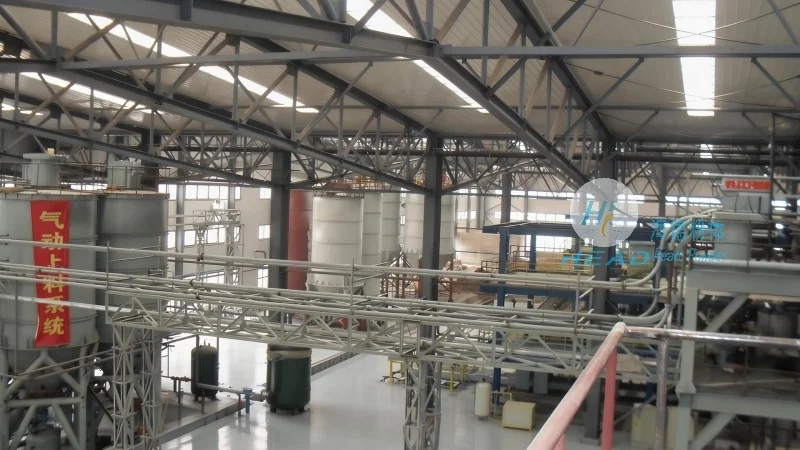
About HeadPowder: A Leading Provider of Powder Handling Solutions
HeadPowder, or Shandong HeadPowder Engineering Co., Ltd., is a professional manufacturer and supplier specializing in powder handling equipment. With a focus on innovation and customer-centric solutions, HeadPowder has established itself as a trusted partner in the industry. The company is headquartered in Shandong, China, and offers a comprehensive range of products tailored to the unique needs of calcium fluoride and other powder materials. By combining advanced technology with expert engineering, HeadPowder ensures that its conveying systems meet the highest standards of performance, safety, and durability.
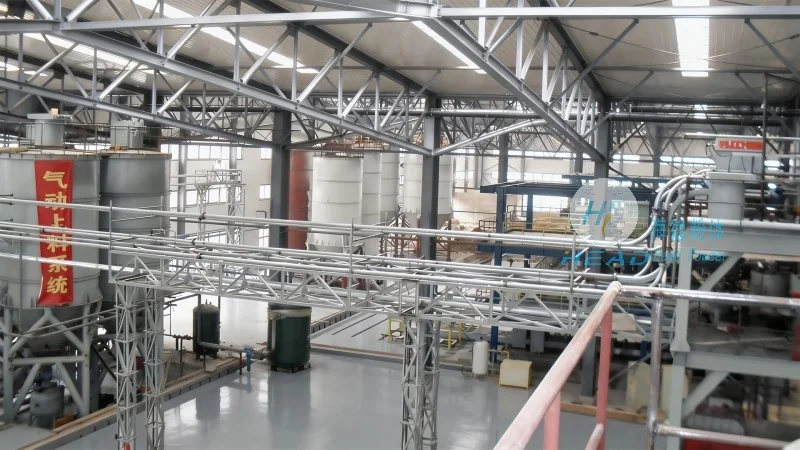
Key Components of Calcium Fluoride Powder Conveying Systems
The operation of calcium fluoride powder conveying systems involves several critical components that work in tandem to ensure smooth material transport. These components include feeders, conveyors, and control systems, each playing a vital role in the overall process. Feeders are responsible for accurately metering the calcium fluoride powder, ensuring a consistent flow rate that matches production requirements. Common types of feeders used include screw feeders, vibratory feeders, and rotary valves, which are selected based on the specific characteristics of the powder, such as particle size, density, and flowability. Conveyors, on the other hand, are responsible for transporting the powder from the feeder to the desired destination, such as storage silos, processing units, or packaging equipment. The choice of conveyor type depends on factors like the distance to be covered, the required capacity, and the environmental conditions. Common conveyor systems include pneumatic conveying lines, belt conveyors, and bucket elevators, each offering distinct advantages in terms of efficiency and cost-effectiveness.
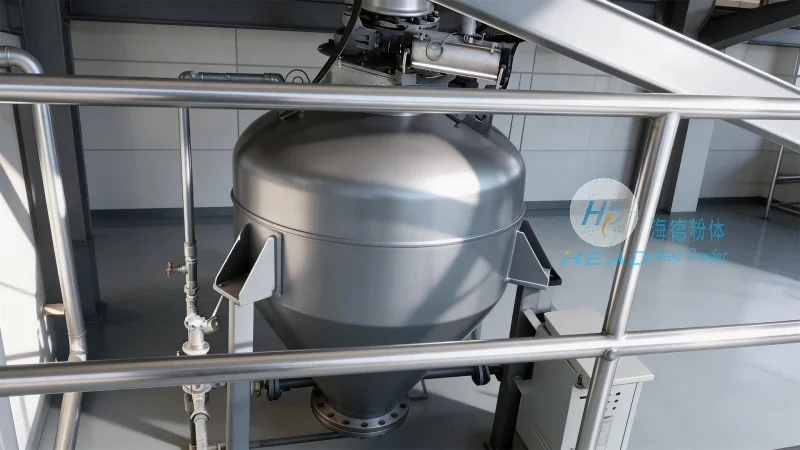
The Operation Process of Calcium Fluoride Powder Conveying
The operation process of calcium fluoride powder conveying typically follows a systematic sequence of steps designed to ensure optimal performance and minimal downtime. The process begins with the preparation of the powder, which may involve drying or conditioning to improve its flowability and prevent caking. Once prepared, the powder is fed into the system via the feeder, where it is metered at a controlled rate. The feeder then transfers the powder to the conveyor, which transports it through the system. During transport, the powder may be subjected to various forces, such as air pressure in pneumatic systems or mechanical forces in belt and bucket elevators, to maintain a consistent flow. The conveyor system is equipped with sensors and control mechanisms that monitor the flow rate, pressure, and other parameters, allowing for real-time adjustments to maintain optimal operation. The final step involves the discharge of the powder into the target container or processing unit, completing the conveying cycle. This process is repeated continuously to support ongoing production operations.
Working Principles of Calcium Fluoride Powder Conveying Systems
The working principles of calcium fluoride powder conveying systems are based on the fundamental physics of material transport, including gravity, air pressure, and mechanical forces. In pneumatic conveying systems, for example, the powder is suspended in a stream of air and transported through a pipeline. The air pressure is carefully controlled to ensure that the powder remains suspended and moves smoothly through the system. The velocity of the air and the size of the particles determine the efficiency of the conveying process. In mechanical conveying systems, such as belt or bucket elevators, the powder is transported by the movement of a conveyor belt or buckets, which lift and move the material vertically or horizontally. The design of the conveyor system, including the angle of inclination and the speed of the belt or buckets, is critical to preventing material degradation and ensuring efficient transport. Additionally, the system may incorporate features like airlocks and filters to prevent dust emissions and maintain a clean working environment. Overall, the working principles of calcium fluoride powder conveying systems are designed to balance efficiency, cost, and safety, ensuring that the material is transported reliably and without compromising product quality.
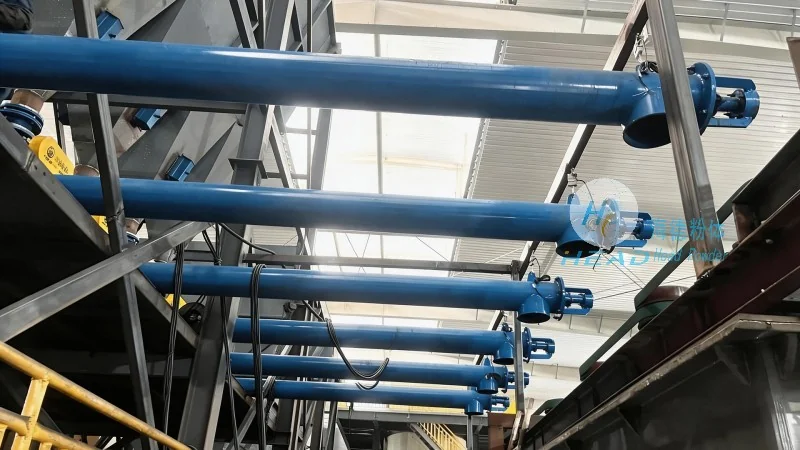
Benefits of Using Calcium Fluoride Powder Conveying Systems
Implementing an efficient calcium fluoride powder conveying system offers numerous benefits for industrial operations. Firstly, it enhances production efficiency by ensuring a consistent and reliable flow of material, reducing downtime caused by material blockages or system failures. Secondly, it improves product quality by minimizing exposure to air and moisture, which can cause caking or degradation of the powder. Thirdly, it enhances safety by reducing the need for manual handling of powders, which can pose health and safety risks. Additionally, well-designed conveying systems can reduce energy consumption and maintenance costs over time, leading to long-term cost savings. By investing in a high-quality calcium fluoride powder conveying system from a reputable supplier like HeadPowder, industries can achieve improved operational performance, increased productivity, and enhanced safety standards.