

Polyolefin Powder Conveying: Operation Process and Working Principle
Understanding the operation process and working principle of polyolefin powder conveying systems is crucial for optimizing material handling in industrial applications. Polyolefin powders, such as polyethylene and polypropylene, are widely used in manufacturing processes due to their versatility and cost-effectiveness. Efficient conveying of these powders ensures smooth production workflows and minimizes downtime. This article provides a detailed overview of the key components, operational steps, and underlying principles that govern the effective transport of polyolefin powders, highlighting the importance of each element in achieving reliable and efficient material handling.
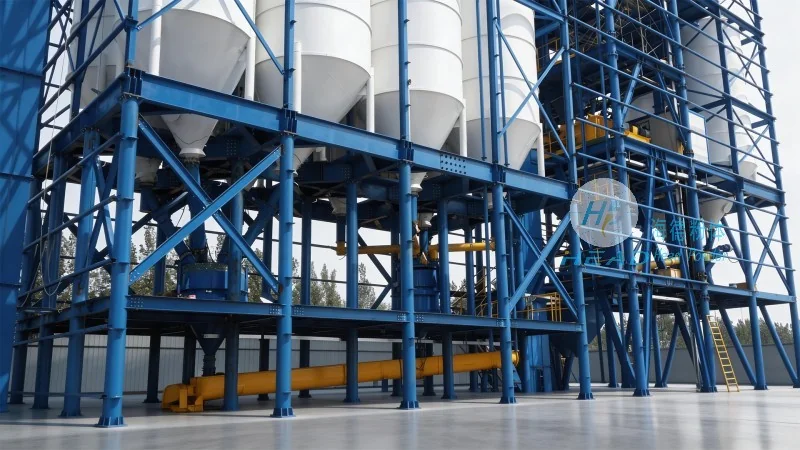
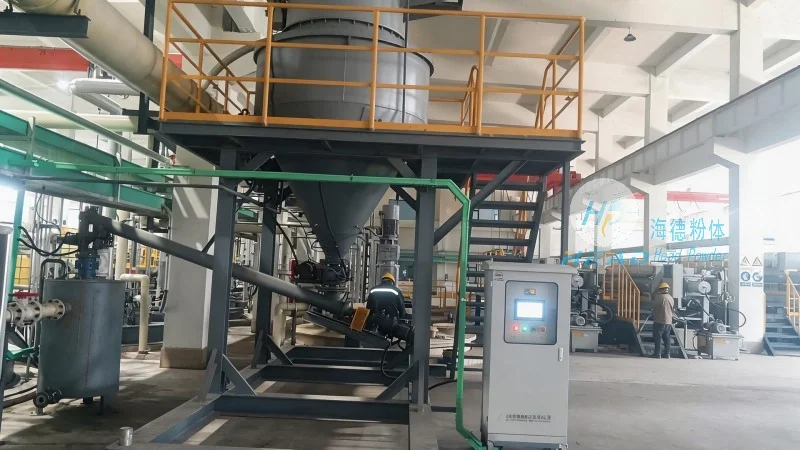
Key Components of Polyolefin Powder Conveying Systems
The performance of polyolefin powder conveying systems relies on several critical components that work in tandem to ensure reliable material transport. These components include feed hoppers, conveyor belts or screw conveyors, airlocks, and dust collection systems. Feed hoppers are designed to store and regulate the flow of polyolefin powders, preventing overfilling and maintaining consistent material levels. The design of the hopper, often with a conical or rectangular shape, facilitates uniform material distribution, which is essential for preventing agglomeration and ensuring smooth flow. Conveyor belts or screw conveyors are the primary mechanisms for moving the powders from the feed point to the discharge point. Belt conveyors use a moving belt to transport the powders horizontally or at a slight incline, relying on friction between the belt and the material to provide traction. Screw conveyors, on the other hand, use a rotating screw to push the powders forward, similar to a screw jack, creating a pressure gradient that moves the material from the inlet to the outlet. Airlocks, often equipped with rotary or sliding valves, serve as isolation devices to prevent backflow and maintain pressure differentials. Dust collection systems are essential for controlling airborne particles, ensuring compliance with environmental regulations and maintaining a safe working environment. These systems typically include filters, fans, and collection bins, working together to capture and contain dust particles, preventing them from escaping into the atmosphere.
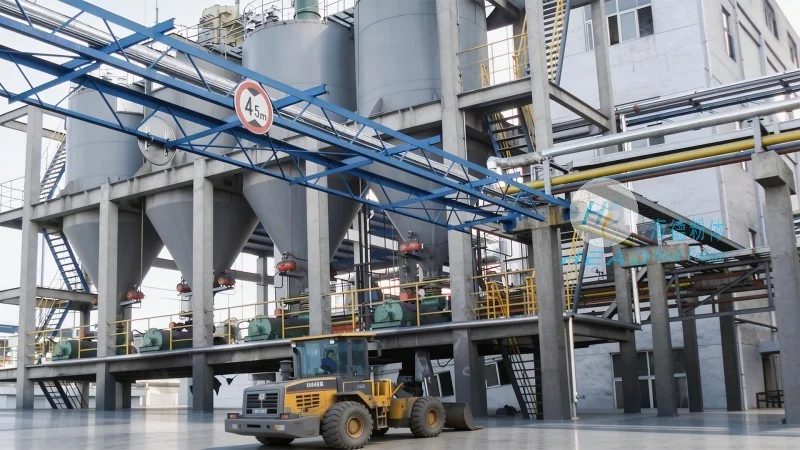
Operation Process of Polyolefin Powder Conveying
The operation process of polyolefin powder conveying typically involves several sequential steps, each designed to ensure efficient and safe material transport. First, the polyolefin powders are loaded into the feed hopper from a storage silo or bulk container. The hopper’s design, with its sloped sides and discharge gate, allows for uniform material distribution and easy removal of the powders. Next, the conveyor system is activated, with the speed of the belt or screw carefully controlled to match the production rate. This control is critical to prevent material buildup or spillage, which can lead to inefficiencies and safety hazards. As the powders move through the system, airlocks at intermediate points ensure that pressure differentials are maintained, preventing reverse flow and ensuring a continuous flow of material. The discharge point is usually connected to a processing unit, such as a mixer or extruder, where the powders are further processed into final products. Throughout the process, monitoring systems track flow rates, pressure, and temperature to ensure optimal performance and detect any anomalies. These systems may include sensors, gauges, and control panels that provide real-time data, allowing operators to adjust parameters as needed to maintain consistent performance.
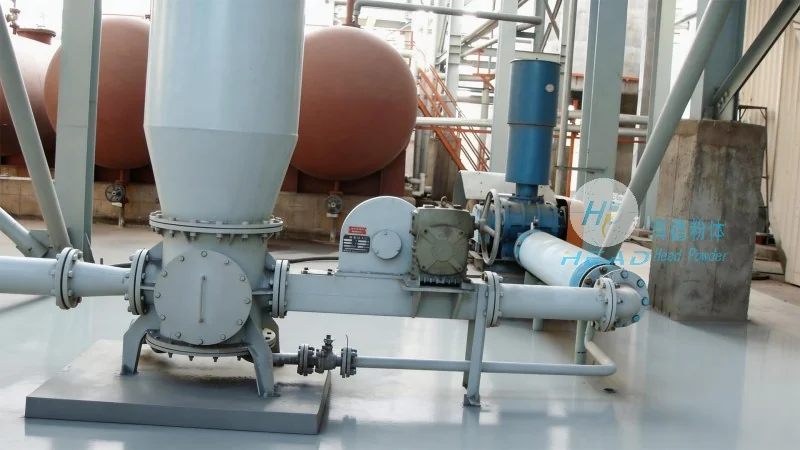
Working Principle of Polyolefin Powder Conveying
The working principle of polyolefin powder conveying systems is based on the principles of bulk material handling and fluid dynamics. For belt conveyors, the powders are carried by a moving belt, which transports them along the designated path. The friction between the belt and the powders provides the necessary traction to move the material, with the speed of the belt determining the flow rate. The angle of inclination is carefully selected to balance the need for efficient transport with the risk of material sliding back. Screw conveyors operate on a similar principle, using a rotating screw to push the powders forward. The rotation of the screw creates a pressure gradient, moving the material from the inlet to the outlet. The pitch and diameter of the screw are designed to match the specific characteristics of the polyolefin powder, ensuring optimal conveying efficiency. Airlocks play a crucial role in maintaining the pressure differential, as they allow the powders to move while preventing air from escaping or entering the system. This is achieved through the use of rotary or sliding valves that open and close to regulate the flow of material. Dust collection systems use filters and fans to capture airborne particles, ensuring that the environment remains clean and safe. The filters may be made of materials such as fabric or metal mesh, designed to trap particles of various sizes. The fans create a negative pressure in the system, drawing air through the filters and into the collection bin, where the captured particles are stored for disposal. The entire system operates under controlled conditions, with temperature and humidity levels monitored to prevent material degradation or caking, which can affect the conveying efficiency. Caking occurs when the powders stick together due to moisture or temperature changes, leading to blockages and reduced flow. Proper control of these factors is essential to maintain the performance of the conveying system.