

Operation Process and Working Principle of Ternary Lithium Powder Conveying
Understanding the operation process and working principle of ternary lithium powder conveying is crucial for optimizing material handling in lithium battery production. This article provides a detailed overview of the system, focusing on the technical aspects and operational steps involved in efficiently transporting ternary lithium powder, a key component in modern lithium-ion batteries.
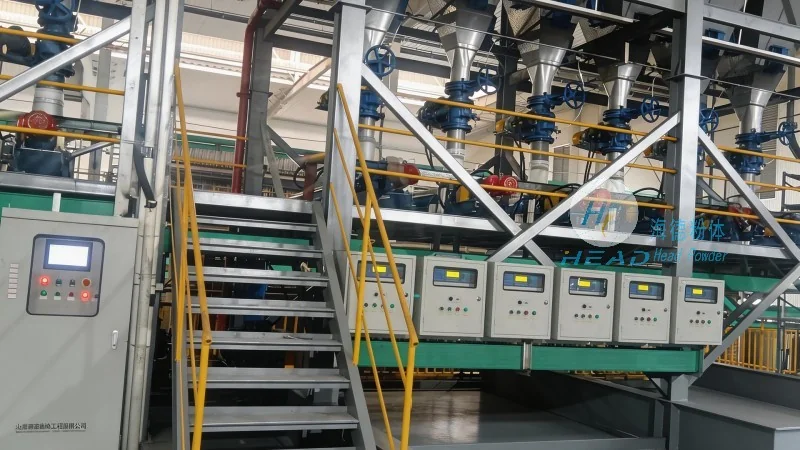
About HeadPowder Engineering Co., Ltd.
HeadPowder Engineering Co., Ltd., a leading provider in the field, specializes in advanced powder handling solutions. With its headquarters in Shandong, China, the company has established itself as a trusted partner for industries requiring reliable and efficient powder transport systems. The company's expertise lies in designing and implementing systems tailored to the unique challenges of handling high-value materials like ternary lithium powder, ensuring minimal loss and maximum throughput.
The Operation Process of Ternary Lithium Powder Conveying
The operation process of ternary lithium powder conveying typically involves several key stages, each designed to ensure the safe and efficient movement of the material from the storage hopper to the processing equipment. The first stage involves the initial feeding of the powder from the storage silo into the conveying system. This is usually achieved through a hopper or feeder that regulates the flow rate, preventing overloading and ensuring a consistent feed to the conveyor. The powder then moves through a series of components, including a conveyor belt or screw conveyor, which transport the material along the designated path.
During the conveying process, the system may incorporate features such as vibration or air-assisted mechanisms to maintain material flow, especially for powders that tend to agglomerate or settle. These mechanisms help prevent blockages and ensure smooth operation. The powder is then directed towards the processing equipment, such as a mixer or extruder, where it is further processed as part of the battery manufacturing workflow. The entire process is monitored by sensors and control systems that adjust parameters in real-time to maintain optimal performance and prevent issues like material degradation or equipment damage.
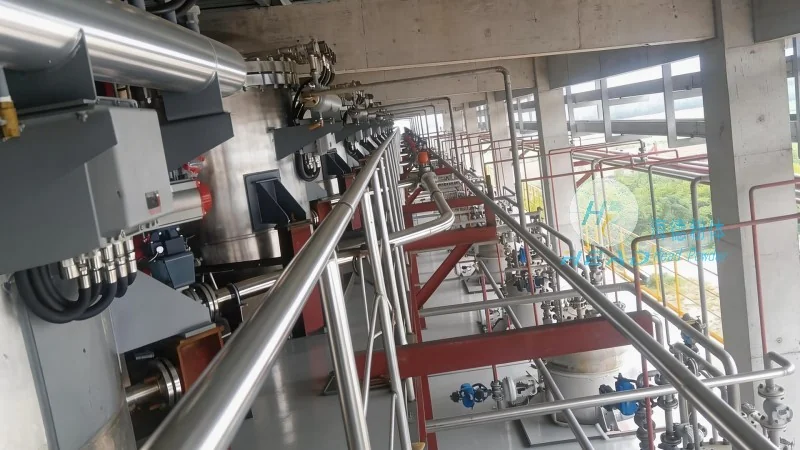
The Working Principle of Ternary Lithium Powder Conveying Systems
The working principle of ternary lithium powder conveying systems is based on the principles of mechanical transport and material flow dynamics. These systems utilize various technologies, such as pneumatic conveying, mechanical conveying, or a combination of both, to move the powder. Pneumatic conveying, for example, uses compressed air to create a flow of air and powder mixture, which is then directed through pipes to the processing area. This method is particularly effective for handling fine powders and minimizing contamination, as it reduces direct contact with equipment surfaces.
Mechanical conveying systems, on the other hand, rely on physical components like conveyor belts, screw conveyors, or bucket elevators to transport the powder. These systems are often preferred for bulk material handling due to their high capacity and reliability. The working principle involves the rotation of the conveyor components, which creates a moving surface or channel that pulls the powder along. The design of these components, including the angle of inclination and the speed of rotation, is critical in determining the efficiency of the conveying process. Proper maintenance and calibration of these components are essential to ensure consistent performance and prevent wear and tear.
Key Components and Their Functions in Ternary Lithium Powder Conveying
Several key components work together to ensure the smooth operation of ternary lithium powder conveying systems. The storage hopper or silo is the first component, responsible for storing the raw powder and regulating its release. This component is designed to minimize material degradation by controlling the flow rate and preventing exposure to air or moisture. The feeder, often a rotary valve or screw feeder, is the next component, which takes the powder from the hopper and feeds it into the conveyor system. The feeder ensures a consistent and controlled flow of material, preventing surges or interruptions that could affect downstream processes.
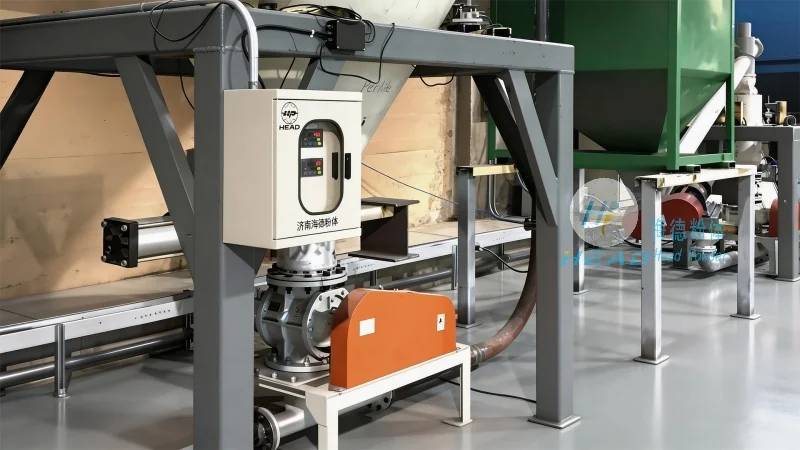
The conveyor itself, whether a belt conveyor or screw conveyor, is the core component responsible for transporting the powder. The design of the conveyor, including the material of the belt or screw and the speed of operation, is tailored to the properties of ternary lithium powder. For example, materials that are prone to static electricity may require special coatings or anti-static treatments to prevent buildup and ensure safe handling. The conveying path, including any bends or changes in direction, is carefully designed to minimize powder loss and maintain the integrity of the material. Finally, the discharge mechanism, such as a rotary valve or gate, controls the release of the powder into the processing equipment, ensuring a controlled and efficient transfer.
Advantages and Considerations for Ternary Lithium Powder Conveying
Efficient ternary lithium powder conveying systems offer several advantages in battery manufacturing. These include improved material handling efficiency, reduced downtime, and enhanced safety. By minimizing material loss and ensuring consistent flow rates, the system helps maintain product quality and reduce waste. Additionally, the use of advanced control systems allows for real-time monitoring and adjustment, ensuring optimal performance under varying conditions. However, there are also considerations to keep in mind when implementing such systems. The handling of high-value materials like ternary lithium powder requires strict adherence to contamination control measures, as even small amounts of impurities can affect battery performance. The system must also be designed to handle the specific properties of the powder, such as its particle size distribution and moisture content, to prevent issues like caking or agglomeration.
Conclusion
In conclusion, the operation process and working principle of ternary lithium powder conveying are critical to the efficient production of lithium-ion batteries. Through a combination of advanced mechanical and pneumatic technologies, these systems ensure the safe and reliable transport of high-value materials. Companies like Shandong HeadPowder Engineering Co., Ltd. play a vital role in providing tailored solutions that meet the specific needs of the battery industry, contributing to the overall efficiency and quality of battery manufacturing processes.