

Operation Process and Working Principle of Graphene Powder Conveying Line
Graphene powder conveying lines are essential for the efficient handling and transportation of high-purity graphene powders in industrial applications. Understanding the operation process and working principle of such systems is crucial for optimizing performance and ensuring consistent product quality. This article provides a detailed overview of the key components, operational steps, and technical mechanisms involved in the functioning of a typical graphene powder conveying line, with a focus on the expertise and solutions offered by Shandong HeadPowder Engineering Co., Ltd. from China.
Introduction to Graphene Powder Conveying Lines
Graphene, a two-dimensional material with exceptional mechanical, electrical, and thermal properties, is widely used in various industries including electronics, energy storage, and composites. The efficient and safe transportation of graphene powders is critical to maintain their purity and prevent agglomeration or contamination. Conveying lines designed specifically for graphene powders must address unique challenges such as low bulk density, high reactivity, and the need for minimal particle damage. Shandong HeadPowder Engineering Co., Ltd., a leading provider of powder handling solutions, specializes in developing tailored conveying systems that meet these stringent requirements.
Key Components of a Graphene Powder Conveying Line
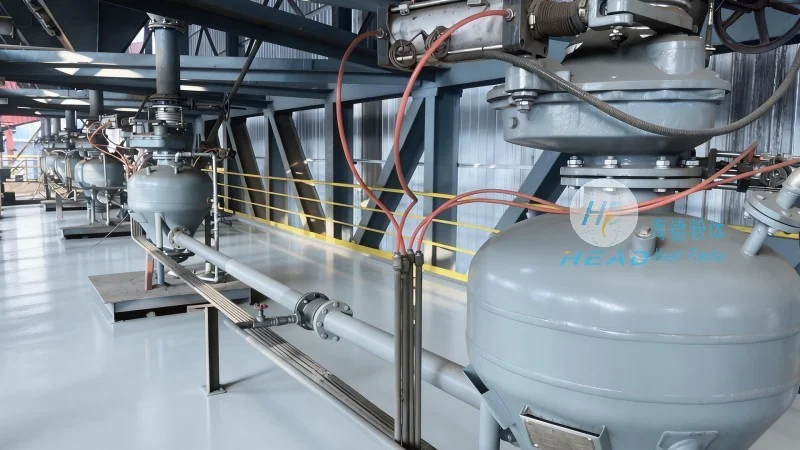
A typical graphene powder conveying line consists of several interconnected components that work in harmony to transport the material from the source to the destination. The main components include: feeders, conveyors, separation systems, and control units. Each component plays a vital role in ensuring the smooth and reliable operation of the system.
1. **Feeders**: Feeders are responsible for accurately metering and feeding the graphene powder into the conveying system. For graphene powders, which are often fine and cohesive, specialized feeders such as rotary valves or vibratory feeders are used to prevent blockages and ensure consistent flow rates. The choice of feeder depends on the specific characteristics of the graphene powder, including its particle size distribution and moisture content.
2. **Conveyors**: Conveyors are the core of the conveying line, responsible for transporting the powder through the system. Common types of conveyors used in graphene powder handling include pneumatic conveyors (air-swept systems) and mechanical conveyors (e.g., screw conveyors, belt conveyors). Pneumatic conveyors are particularly suitable for fine powders like graphene due to their ability to handle low bulk densities and minimize particle degradation. Mechanical conveyors, on the other hand, are often used for bulkier or more abrasive powders.
3. **Separation Systems**: Separation systems are used to remove contaminants or excess air from the powder stream, ensuring that the material delivered to the final destination is of high purity. These systems may include filters, cyclones, or dedusters, which help maintain the quality of the graphene powder throughout the conveying process.
4. **Control Units**: Control units, often integrated with sensors and automation systems, monitor and regulate the operation of the conveying line. They provide real-time data on flow rates, pressure, and other parameters, allowing operators to adjust the system as needed to optimize performance and prevent issues such as overloading or blockages.
Operation Process of a Graphene Powder Conveying Line
The operation of a graphene powder conveying line involves a series of sequential steps that ensure the material is transported efficiently and safely. The process typically begins with the feeding of the graphene powder into the system, followed by conveying, separation, and delivery to the final destination. Here is a step-by-step breakdown of the operation process:
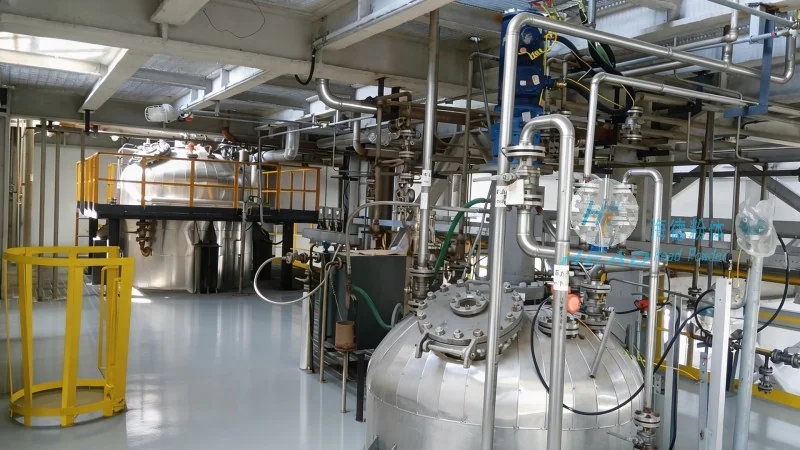
1. **Material Loading**: The graphene powder is loaded into a hopper or storage silo. The hopper is equipped with a feeder that meters the powder at a controlled rate. This step ensures that the powder is introduced into the system in a consistent manner, preventing sudden surges that could lead to blockages or equipment damage.
2. **Conveying**: The metered powder is then conveyed through the system using the selected conveyor type. In a pneumatic conveyor, the powder is suspended in a stream of air and transported through a network of pipes. The air flow is carefully controlled to maintain the proper velocity and pressure, ensuring that the powder particles remain suspended and do not settle or agglomerate. In a mechanical conveyor, the powder is moved along a conveyor belt or screw, with the speed and direction controlled by the system's control unit.
3. **Separation and Cleaning**: As the powder travels through the system, it may encounter separation or cleaning components such as filters or cyclones. These components remove any contaminants or excess air from the powder stream, ensuring that the material delivered to the final destination is of high purity. The separated air or waste is then directed to appropriate disposal or recycling systems.
4. **Delivery to Destination**: The purified graphene powder is then delivered to the final destination, such as a processing unit or storage container. The system's control unit monitors the flow rate and pressure at the discharge point, ensuring that the powder is delivered at the desired rate and without any issues.
Working Principle of Graphene Powder Conveying Lines
The working principle of a graphene powder conveying line is based on the physical properties of the material and the design of the conveying components. The primary goal is to transport the powder from the source to the destination while maintaining its quality and minimizing particle degradation. The key principles involved include:
1. **Air Suspension (for Pneumatic Conveyors)**: In pneumatic conveying systems, the graphene powder is suspended in a stream of air. The air flow is maintained at a velocity sufficient to keep the powder particles airborne, preventing them from settling or agglomerating. The pressure and velocity of the air are carefully controlled to ensure efficient transport and minimize energy consumption.
2. **Mechanical Transfer (for Mechanical Conveyors)**: In mechanical conveying systems, the powder is moved by mechanical means such as a screw or belt. The speed and direction of the conveyor are controlled to maintain a consistent flow rate, ensuring that the powder is transported without excessive friction or particle damage. The design of the conveyor components, such as the pitch and diameter of a screw conveyor, is optimized to handle the specific characteristics of the graphene powder.
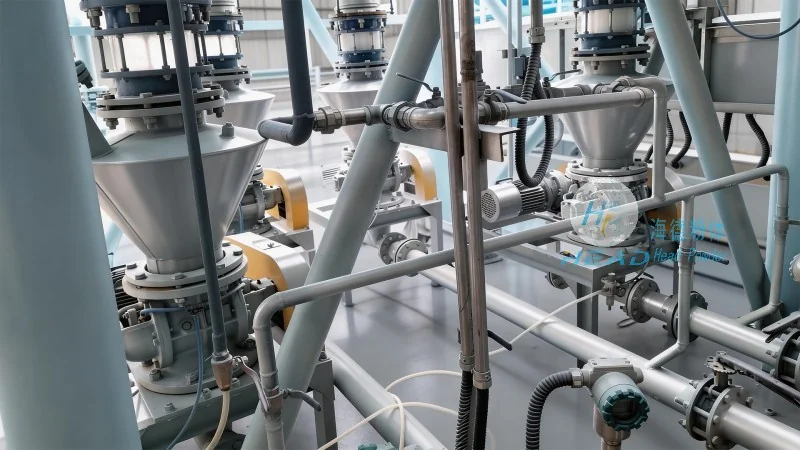
3. **Separation and Filtration**: The separation systems in the conveying line work on the principle of differential density and size. Contaminants or excess air are separated from the powder stream based on their different physical properties. Filters and cyclones use centrifugal force to separate larger particles or air bubbles from the powder, ensuring that the final product is of high purity.
4. **Control and Automation**: Modern graphene powder conveying lines are equipped with advanced control and automation systems. These systems use sensors to monitor parameters such as flow rate, pressure, and temperature, and adjust the operation of the system in real-time. This allows for optimal performance, reduced downtime, and improved safety.
Benefits of Using a Graphene Powder Conveying Line from Shandong HeadPowder Engineering Co., Ltd.
Shandong HeadPowder Engineering Co., Ltd. offers specialized graphene powder conveying lines that provide numerous benefits for industrial applications. These benefits include:
1. **High Purity and Consistency**: The conveying systems are designed to maintain the purity and consistency of the graphene powder throughout the process. The separation and filtration components ensure that contaminants are removed, and the controlled feeding and conveying processes prevent agglomeration or particle degradation.
2. **Efficient and Reliable Operation**: The systems are engineered for efficient and reliable operation, with minimal downtime and high throughput. The use of advanced control and automation systems ensures that the system operates at optimal performance levels.
3. **Customization and Flexibility**: Shandong HeadPowder Engineering Co., Ltd. provides customized conveying solutions tailored to the specific needs of each client. The systems can be designed to handle different types of graphene powders, particle sizes, and production volumes, ensuring that the solution meets the unique requirements of each application.
4. **Safety and Compliance**: The conveying lines are designed with safety in mind, incorporating features such as explosion-proof components and dust collection systems. The systems comply with relevant industry standards and regulations, ensuring that they are safe and reliable for use in industrial environments.