

Operation Process and Working Principle of Lithium Carbonate Powder Conveying Machine
At Shandong HeadPowder Engineering Co., Ltd., we specialize in the design and manufacturing of advanced powder conveying systems tailored for industries handling lithium carbonate. Our lithium carbonate powder conveying machines are engineered to ensure efficient, reliable, and safe material transport, addressing the unique challenges of handling fine powders like lithium carbonate. This article provides a detailed overview of the operation process and working principles of our conveying machines, highlighting key components and operational mechanisms.
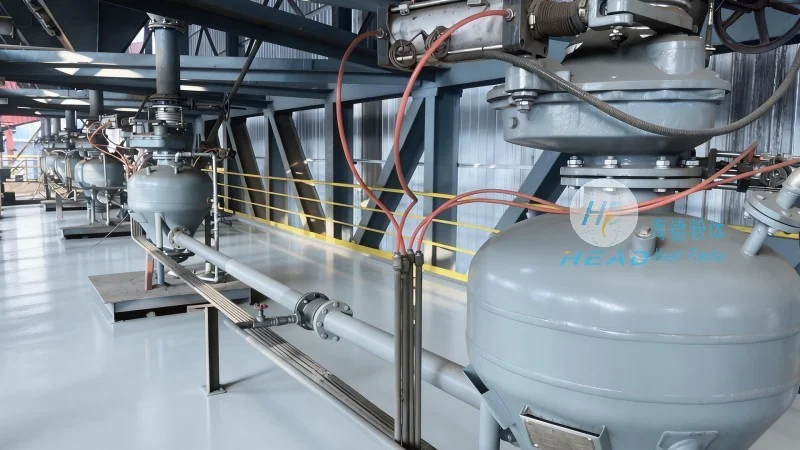
Key Components of the Powder Conveying System
The lithium carbonate powder conveying machine typically consists of several core components that work in tandem to facilitate material transport. These include a hopper for material storage, a feeding mechanism to control the flow rate, a conveying pipeline (often equipped with air or mechanical drive systems), and a discharge outlet for material release. Each component is designed to handle the specific properties of lithium carbonate, such as its fine particle size and potential for static charge accumulation, ensuring optimal performance and minimal material loss.
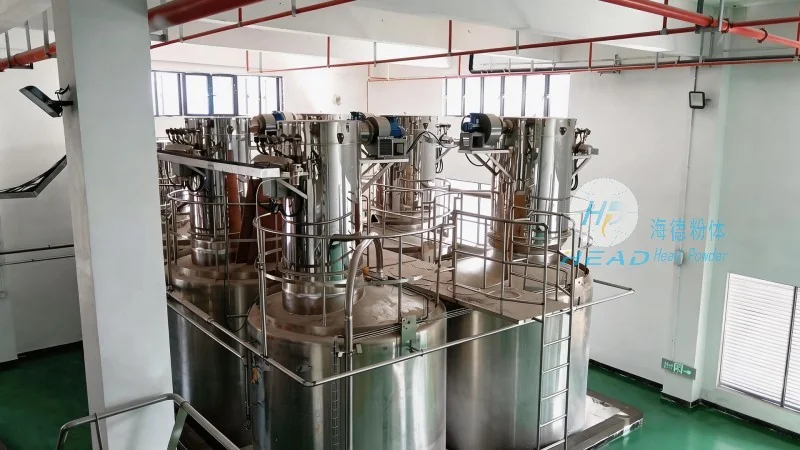
Working Principle of the Conveying Process
The operation of the lithium carbonate powder conveying machine is based on a combination of air pressure and mechanical forces, depending on the specific design. The process begins with the material being fed into the hopper from a storage silo or batch container. A feeding valve or screw feeder regulates the flow of lithium carbonate into the conveying pipeline. Simultaneously, a compressed air system or a mechanical conveyor (like a screw or belt conveyor) propels the material through the pipeline. The conveying mechanism ensures that the fine powder moves smoothly without clogging or segregation, maintaining consistent flow rates. The discharge outlet then delivers the lithium carbonate to the next processing stage, such as a mixer or packaging unit.
Operation Process: Step-by-Step Overview
The operation of the lithium carbonate powder conveying machine follows a systematic sequence to ensure efficient material handling. The process can be broken down into the following steps:
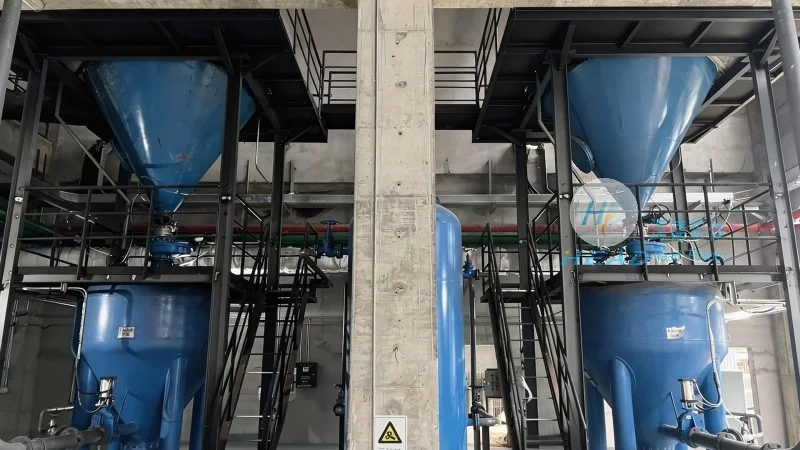
- Material Loading: Lithium carbonate is loaded into the hopper from the source storage. The hopper is designed with a wide opening to accommodate bulk material and features a level indicator to monitor the material level.
- Feeding Control: The feeding mechanism, which may be a rotary valve or a screw feeder, regulates the flow rate of lithium carbonate into the conveying pipeline. This step is critical to prevent overloading the system and to maintain a steady flow.
- Conveying: The material is propelled through the pipeline by either air pressure (in pneumatic conveying systems) or mechanical force (in mechanical conveying systems). The pipeline is often equipped with bends and elbows that are designed to minimize pressure loss and prevent material accumulation.
- Discharge: The lithium carbonate is discharged from the pipeline into the receiving container or processing equipment. The discharge outlet is designed to prevent material spillage and ensure a clean transfer.
Advantages of Our Lithium Carbonate Powder Conveying Machine
Our conveying machines offer several advantages for industries processing lithium carbonate: