

Operation Process and Working Principle of Calcium Oxide Powder Conveying Machine
Calcium oxide, commonly known as quicklime, is a widely used industrial material in various sectors such as construction, chemical manufacturing, and environmental treatment. The efficient and reliable transport of calcium oxide powder is crucial for industrial operations, and the calcium oxide powder conveying machine plays a vital role in this process. This equipment is designed to handle the material's unique properties, ensuring safe and efficient movement from storage to processing units.
Key Components and Structure of the Conveying Machine
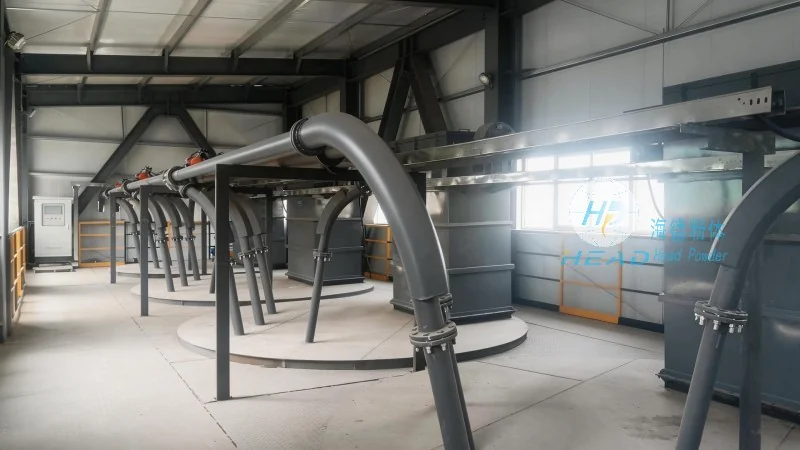
The calcium oxide powder conveying machine typically consists of several key components that work in harmony to achieve the transport task. The main parts include a hopper for material storage, a conveyor system (such as a screw or pneumatic conveyor), a control panel for operation, and a dust collection system to manage airborne particles. The hopper is designed with a sloped bottom to facilitate material flow, preventing clogging and ensuring consistent feeding. The conveyor system is engineered to handle the abrasive nature of calcium oxide, using materials like stainless steel or special coatings to minimize wear and tear. The control panel allows operators to adjust the speed and direction of the conveyor, providing flexibility in handling different production requirements. The dust collection system is essential for maintaining a clean and safe working environment, as calcium oxide dust can be harmful if inhaled.
Operation Process of the Calcium Oxide Powder Conveying Machine
The operation of the calcium oxide powder conveying machine follows a systematic process that ensures smooth and continuous material transport. The process begins with the loading of calcium oxide powder into the hopper. The material is then fed into the conveyor system, which moves it through the machine's interior. The conveyor's speed can be adjusted based on the production needs, allowing for precise control over the material flow rate. As the powder moves through the conveyor, it is transported to the discharge point, where it is collected in a designated container or transferred to the next processing stage. The entire operation is monitored by the control panel, which provides real-time feedback on the machine's performance and any potential issues that may arise. Regular maintenance checks are performed to ensure the machine operates efficiently and safely, minimizing downtime and maximizing productivity.
Working Principle of the Calcium Oxide Powder Conveying Machine
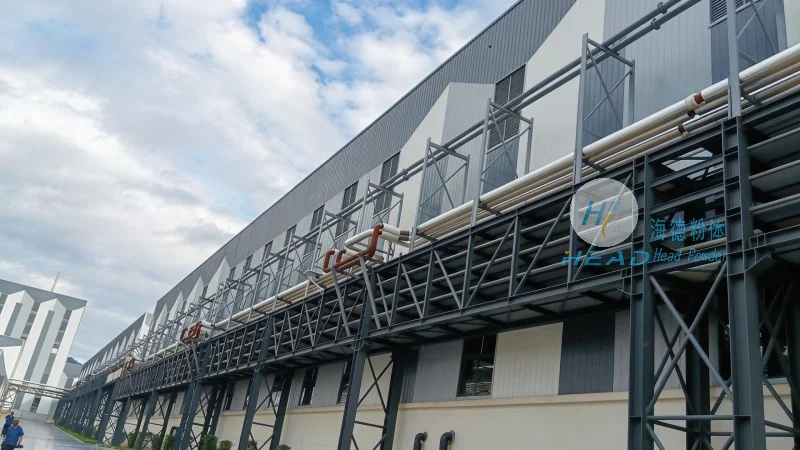
The working principle of the calcium oxide powder conveying machine is based on the principles of material handling and pneumatic or mechanical transport. For mechanical conveyors, the machine uses a rotating screw or belt to move the powder forward. The screw conveyor, for example, has a helical screw inside a cylindrical tube. As the screw rotates, it pushes the material along the tube, transferring it from the inlet to the outlet. The speed of the screw determines the flow rate of the material. For pneumatic conveyors, the machine uses air pressure to transport the powder through a pipeline. The powder is mixed with air and then forced through the pipeline to the destination. The air pressure and flow rate are controlled to ensure the material is transported efficiently without clogging the system. Both mechanical and pneumatic systems are designed to handle the specific characteristics of calcium oxide powder, such as its fine particle size and potential for dust generation. The working principle ensures that the material is transported safely and effectively, meeting the demands of industrial applications.
Advantages of Using a Calcium Oxide Powder Conveying Machine
Implementing a calcium oxide powder conveying machine offers several advantages for industrial operations. Firstly, it enhances safety by reducing the risk of manual handling of the material, which can be hazardous due to dust and potential chemical reactions. The machine's enclosed design minimizes dust exposure, protecting both operators and the environment. Secondly, it improves efficiency by providing a continuous and controlled flow of material, eliminating the need for manual loading and unloading. This leads to increased productivity and reduced labor costs. Thirdly, the machine is designed to handle the abrasive nature of calcium oxide, reducing wear and tear on components and extending the equipment's lifespan. Additionally, the adjustable speed and control features allow for flexibility in adapting to varying production demands, ensuring optimal performance under different conditions. Overall, the calcium oxide powder conveying machine is a cost-effective and reliable solution for the transport of this critical industrial material.
Application Scenarios and Industrial Uses
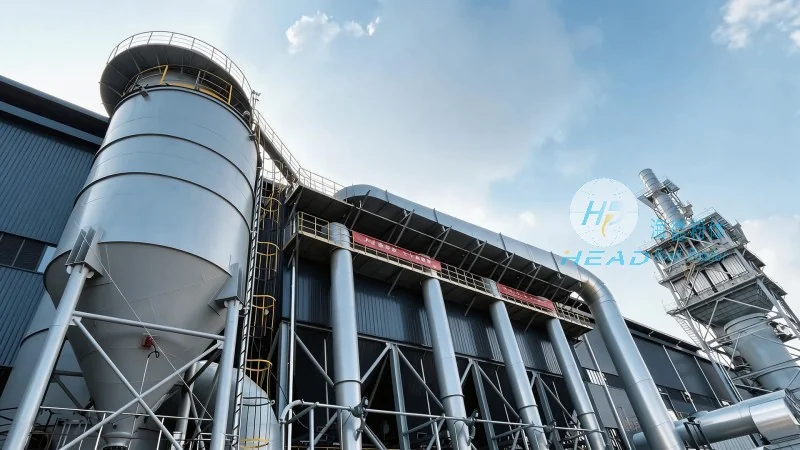
The calcium oxide powder conveying machine is widely used in various industrial applications where calcium oxide is a key component. In the construction industry, it is used in the production of cement, mortar, and other building materials. The machine ensures the consistent supply of calcium oxide to the production line, improving the quality and uniformity of the final products. In the chemical manufacturing sector, calcium oxide is used in the production of calcium carbide, sodium carbonate, and other chemicals. The conveying machine facilitates the transport of the material to the reactors and processing units, ensuring smooth production processes. In environmental treatment, calcium oxide is used for water treatment and air purification. The machine helps in transporting the material to the treatment facilities, contributing to effective environmental management. Additionally, in the food and pharmaceutical industries, calcium oxide is used as a food additive and in the production of certain medications. The conveying machine ensures the safe and hygienic transport of the material, meeting the stringent quality standards of these industries.
Maintenance and Safety Considerations
Maintaining the calcium oxide powder conveying machine is essential to ensure its long-term performance and safety. Regular maintenance checks should be performed to inspect the components for wear and tear, such as the conveyor screw, bearings, and seals. The hopper and conveyor system should be cleaned regularly to remove any accumulated material, preventing clogging and ensuring smooth operation. The dust collection system should be checked for proper functioning to ensure it captures all airborne particles. Safety considerations are also crucial when operating the machine. Operators should wear appropriate personal protective equipment (PPE), such as dust masks and gloves, to protect themselves from dust exposure. The machine should be properly grounded to prevent electrical hazards. Regular training for operators on the safe operation of the machine is also recommended to minimize the risk of accidents. By following proper maintenance and safety procedures, the calcium oxide powder conveying machine can operate efficiently and safely for an extended period, providing reliable service to industrial operations.