

Operation Process and Working Principle of Coke Particle Material Conveying Line
HeadPowder, a leading engineering company based in Shandong, China, specializes in the design, manufacturing, and installation of advanced material handling systems. One of their core products is the coke particle material conveying line, which is widely used in the metallurgical industry for efficiently transporting coke, a crucial raw material in steel production. This article provides a detailed overview of the operation process and working principle of such a conveying line, highlighting the key components and the systematic approach to material transport.
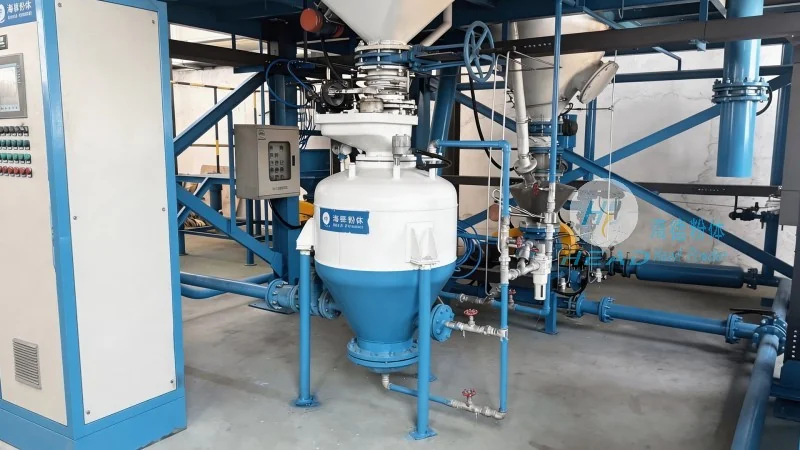
Overview of the Coke Particle Material Conveying Line
The coke particle material conveying line is a sophisticated system engineered to handle the transportation of coke particles from storage silos or stockpiles to various processing units, such as blast furnaces or coke ovens. The system is designed to ensure high efficiency, minimal material loss, and consistent flow rates, which are critical for maintaining the productivity and quality of steel manufacturing processes. HeadPowder's expertise in material handling technology allows them to tailor these systems to meet the specific requirements of their clients, ensuring optimal performance in diverse industrial environments.
Key Components of the Conveying Line
The coke particle material conveying line typically consists of several essential components that work in tandem to achieve seamless material transport. These components include:
1. Feeder or Bunker: This is the initial storage or feeding unit where coke particles are collected and prepared for transport. The feeder ensures a uniform flow of material into the conveyor system, preventing blockages and maintaining consistent feed rates.
2. Conveyor Belt or Screw Conveyor: The primary transport mechanism that moves coke particles through the system. Conveyor belts are commonly used for horizontal and slight incline transport, while screw conveyors are ideal for vertical or more complex path applications. Both types are designed to handle the abrasive nature of coke particles, with robust construction to withstand wear and tear.
3. Drive System: This component provides the necessary power to move the conveyor mechanism. It includes motors, gearboxes, and control systems that regulate the speed and direction of the conveyor, ensuring precise control over the material flow.
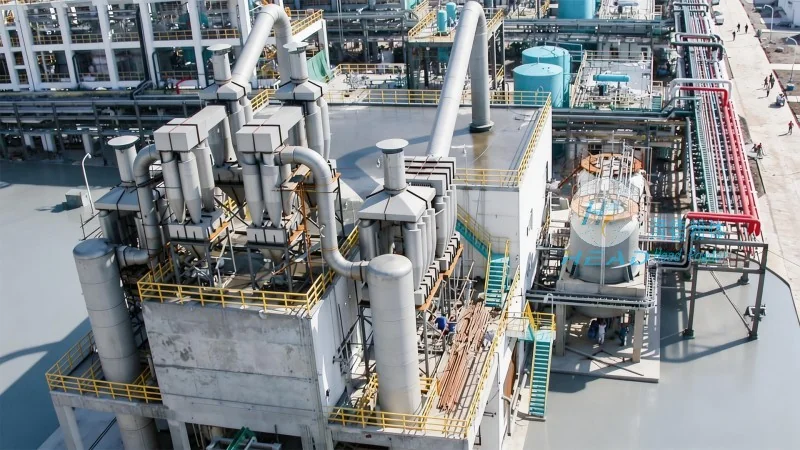
4. Control Panel: An integrated control system that monitors and manages the entire conveying process. The control panel allows operators to adjust parameters such as speed, feed rate, and system status, ensuring optimal operation and quick response to any anomalies.
5. Transfer Points and Bends: These components facilitate the change in direction or elevation of the conveyor line. They are designed to minimize material spillage and maintain the integrity of the coke particles during the transition.
Operation Process of the Conveying Line
The operation of the coke particle material conveying line follows a systematic sequence that ensures efficient and reliable material transport. The process begins with the loading of coke particles into the feeder or bunker. The feeder then regulates the flow of material into the conveyor belt or screw conveyor, which transports the particles to the next stage of the process. At transfer points, the material is directed through bends or elevators, maintaining a consistent flow. The drive system provides the necessary power to move the conveyor, while the control panel monitors the entire operation, adjusting parameters as needed to maintain optimal performance.
During operation, the system continuously monitors key parameters such as flow rate, pressure, and temperature to ensure that the material is being transported efficiently and without any issues. Any deviations from the set parameters are immediately detected and corrected by the control system, preventing potential disruptions or material loss. The entire process is designed to be automated, reducing the need for manual intervention and enhancing operational safety.
Working Principle of the Conveying Line
The working principle of the coke particle material conveying line is based on the mechanical transfer of material through a series of components that work together to achieve the desired transport. The system operates on the principle of gravity and mechanical force, where the feeder provides the initial force to move the material, and the conveyor mechanism transports it through the system.
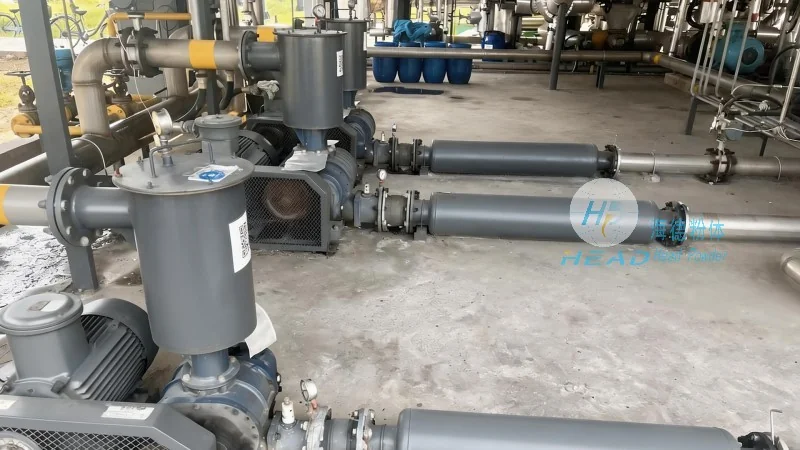
In the case of a belt conveyor, the principle involves the friction between the conveyor belt and the coke particles. The motor drives the pulley, which in turn moves the belt, pulling the particles along the path. The speed of the belt is controlled to maintain a consistent flow rate, ensuring that the material is transported at the required rate without overloading the system.
For a screw conveyor, the working principle is based on the rotation of a screw within a housing. As the screw rotates, it pushes the coke particles forward, similar to how a screw moves through a substance. The rotation speed and pitch of the screw are critical parameters that determine the flow rate and pressure within the system. The screw conveyor is particularly effective for vertical transport or when the material needs to be elevated, as it can handle both horizontal and vertical movement with ease.
Technical Advantages and Considerations
HeadPowder's coke particle material conveying lines offer several technical advantages that make them suitable for demanding industrial applications. These include high efficiency in material transport, minimal material loss, and the ability to handle abrasive materials like coke without significant wear and tear. The systems are also designed for durability and reliability, with components that are built to withstand the harsh conditions of the metallurgical industry.
When implementing such a conveying line, several considerations must be taken into account. These include the size and shape of the coke particles, the required flow rate, the distance and elevation changes, and the environmental conditions. HeadPowder's engineering team conducts thorough analyses of these factors to design a system that meets the specific needs of each client, ensuring optimal performance and longevity.
Conclusion
The coke particle material conveying line is a critical component of modern steel production facilities, enabling the efficient and reliable transport of coke particles from storage to processing units. HeadPowder's expertise in material handling technology ensures that their conveying lines are designed to meet the highest standards of performance, durability, and efficiency. By understanding the operation process and working principle of such a system, industries can optimize their material transport processes, enhancing overall productivity and reducing operational costs.