

Operation Process and Working Principle of Synthetic Rubber Material Handling System Equipment
Understanding the operation process and working principle of synthetic rubber material handling system equipment is crucial for optimizing industrial efficiency and ensuring consistent material flow in manufacturing settings. This equipment plays a vital role in the rubber industry, where the seamless transport of raw materials and finished products is essential for production continuity.
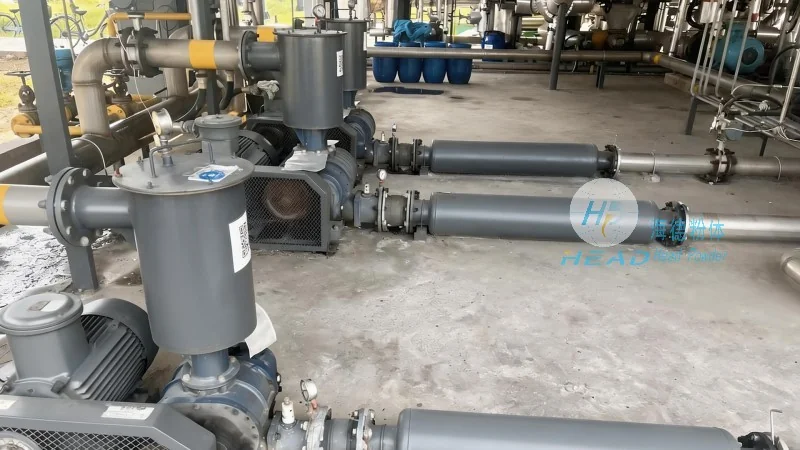
Overview of Synthetic Rubber Material Handling Systems
Synthetic rubber material handling systems are engineered to handle the unique properties of synthetic rubber, such as its elasticity, viscosity, and potential for dust or particle formation. These systems integrate various components, including conveyors, pumps, storage tanks, and control mechanisms, to facilitate the movement of rubber materials from storage to processing units or packaging areas. The design of these systems is tailored to meet the specific demands of rubber processing, ensuring that materials are handled gently to prevent degradation or contamination.
Key Components and Their Functions
The synthetic rubber material handling system typically consists of several key components, each with a specific role in the overall operation. Conveyors, such as belt conveyors or screw conveyors, are commonly used to transport rubber materials horizontally or vertically. Pumps, including centrifugal or positive displacement pumps, are employed to transfer rubber in liquid or semi-liquid states, ensuring smooth flow through pipelines. Storage tanks or silos are used to hold raw rubber materials, providing a buffer for production and allowing for controlled release. Control systems, often equipped with sensors and automation technology, monitor and regulate the flow of materials, maintaining consistent pressure and temperature levels to prevent material degradation.
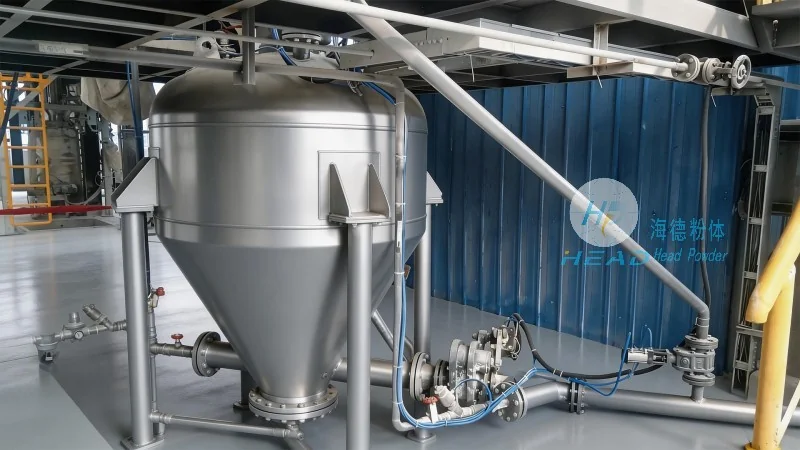
Operation Process: Step-by-Step Breakdown
The operation of a synthetic rubber material handling system follows a systematic process, starting from material intake to final delivery. The first step involves the loading of raw synthetic rubber into the storage silo or tank. This is typically done using bulk delivery trucks or internal loading mechanisms, ensuring that the material is transferred without spillage or contamination. Once loaded, the material is transferred to the conveyor system, which moves it to the processing area. The conveyor system may include multiple segments, such as a primary conveyor for horizontal transport and an inclined conveyor for vertical movement, depending on the layout of the facility.
During the transport process, the material may pass through a series of processing units, such as mixers or extruders, where it is combined with other additives or processed further. The conveyor system ensures that the material is delivered to these units at the correct rate and consistency. After processing, the finished rubber products are transported to the packaging or storage area using the same or a separate conveyor system. The control system continuously monitors the entire process, adjusting the speed of conveyors, the flow rate of pumps, and the temperature of storage tanks to maintain optimal conditions.
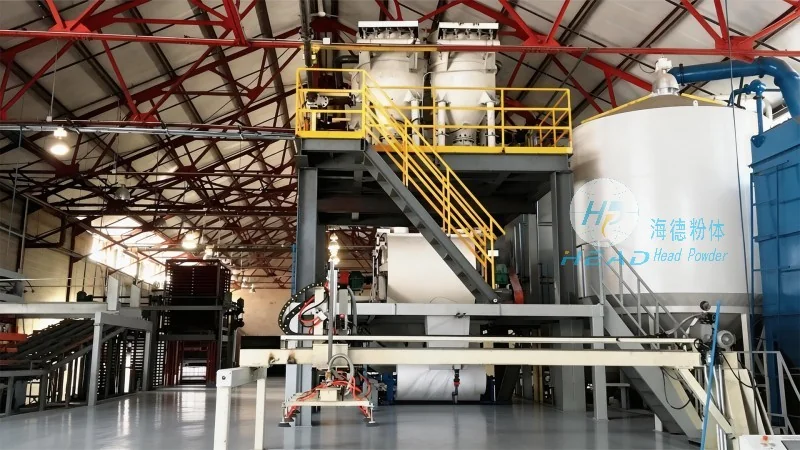
Working Principle: Mechanical and Control Mechanisms
The working principle of synthetic rubber material handling systems is based on mechanical and control mechanisms that work in tandem to ensure efficient operation. The mechanical components, such as conveyors and pumps, rely on physical forces to move materials. Belt conveyors, for example, use a rotating drum and a tensioned belt to transport materials, while screw conveyors utilize a rotating screw to push materials forward. Pumps, on the other hand, use pressure and suction to move liquid or semi-liquid rubber through pipelines.
The control mechanisms, integrated into the system, use sensors and automation technology to monitor and regulate the operation. Sensors detect the level of material in storage tanks, the speed of conveyors, and the temperature of the rubber. This data is processed by the control system, which adjusts the operation of the components to maintain optimal conditions. For instance, if the material level in a tank drops below a certain threshold, the control system triggers a signal to start loading from the bulk delivery truck. Similarly, if the temperature of the rubber exceeds a safe limit, the system adjusts the cooling mechanism to bring it back to the desired temperature.
Benefits and Applications in the Rubber Industry
Synthetic rubber material handling systems offer several benefits to the rubber industry, including improved efficiency, reduced labor costs, and enhanced product quality. By automating the material transport process, these systems minimize the need for manual handling, which reduces the risk of accidents and material damage. The consistent flow of materials ensures that processing units receive the correct amount of rubber at the right time, preventing production delays or bottlenecks. Additionally, the control mechanisms help maintain consistent quality by regulating temperature, pressure, and flow rates, which is crucial for producing high-quality synthetic rubber products.
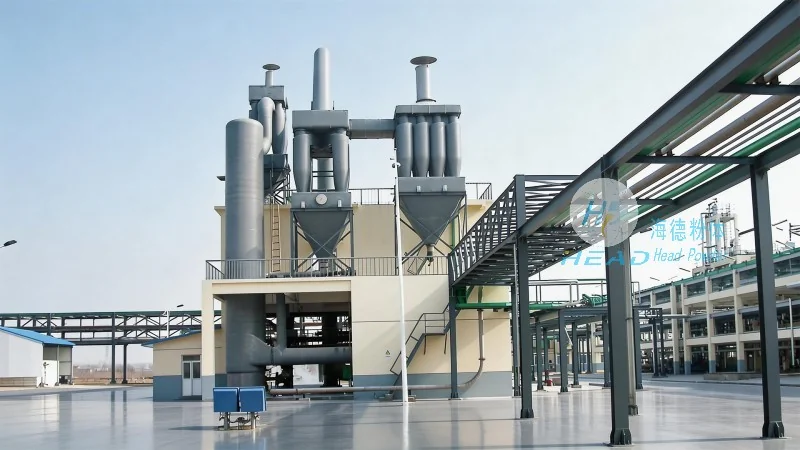
These systems are widely used in various applications within the rubber industry, including tire manufacturing, rubber flooring production, and industrial rubber products. In tire manufacturing, for example, synthetic rubber material handling systems are used to transport raw rubber to mixing and molding units, ensuring that the correct formulation is achieved. In rubber flooring production, the systems facilitate the transport of rubber granules or sheets to the manufacturing line, allowing for efficient production of high-quality flooring products.
Conclusion: The Role of Advanced Material Handling Systems
In conclusion, the operation process and working principle of synthetic rubber material handling systems are critical to the success of rubber manufacturing operations. These systems integrate advanced mechanical and control technologies to ensure efficient, safe, and consistent material transport. By understanding the components, operation process, and working principles of these systems, manufacturers can optimize their production processes, reduce costs, and improve product quality. As the rubber industry continues to evolve, the development of more advanced material handling systems will remain essential for meeting the growing demand for high-quality synthetic rubber products.