

The Operation Process and Working Principle of Copper Mine Sand Powder Pneumatic Conveying
For industrial applications involving copper mine sand, efficient material handling is crucial. Pneumatic conveying systems offer a reliable solution for transporting fine powders like copper mine sand, ensuring safety, efficiency, and minimal environmental impact. This article, presented by Shandong HeadPowder Engineering Co., Ltd., explores the operational process and underlying principles of such systems, highlighting key components and their functions.
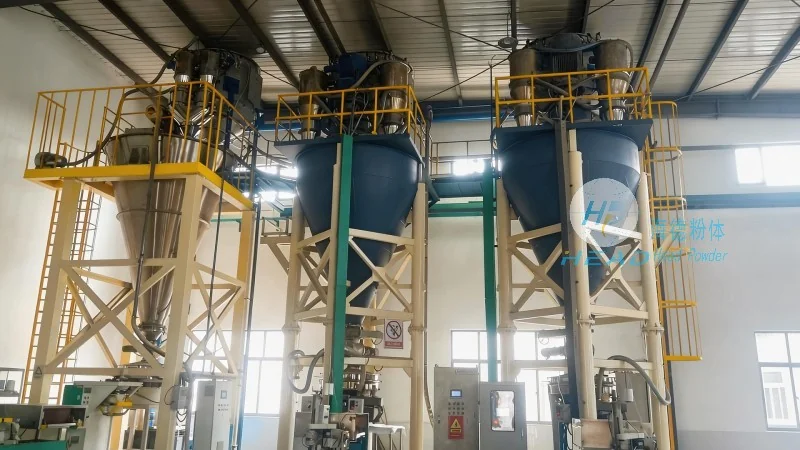
Key Components of Pneumatic Conveying Systems
The core components of a copper mine sand pneumatic conveying system include the material hopper, air compressor, conveying pipeline, and discharge device. The material hopper is designed to store and feed the copper mine sand powder into the system. It often features a feeding valve to control the flow rate, preventing overloading or underfeeding. The air compressor generates the necessary air pressure to move the powder particles through the pipeline. Different types of compressors, such as rotary lobe or centrifugal, are used depending on the system's capacity and pressure requirements. The conveying pipeline, typically made of stainless steel or other corrosion-resistant materials, transports the powder-air mixture from the hopper to the discharge point. The pipeline design considers factors like particle size, flow rate, and pressure drop to ensure smooth operation. The discharge device, which may include a rotary valve or a filter, separates the powder from the air at the end of the pipeline, allowing the powder to be collected in a storage bin or processing unit.
Working Principle of Pneumatic Conveying
The operation of a copper mine sand pneumatic conveying system is based on the principle of air flow and particle suspension. When the air compressor starts, it creates a pressure differential between the hopper and the discharge end. The air is introduced into the hopper, and as it flows through the pipeline, it lifts and transports the copper mine sand particles. The particles are kept in suspension by the air velocity, which must be sufficient to overcome the gravitational force acting on the particles. The system's design ensures that the air velocity remains above the minimum required for particle suspension, preventing settling or blockages in the pipeline. The pressure drop along the pipeline is managed by optimizing the pipeline diameter, length, and bends, which are designed to minimize resistance and maintain consistent flow. The discharge device then separates the powder from the air, typically using a cyclone separator or a filter, and collects the copper mine sand powder in a designated container. This process allows for continuous and automated material handling, reducing manual labor and improving operational efficiency.
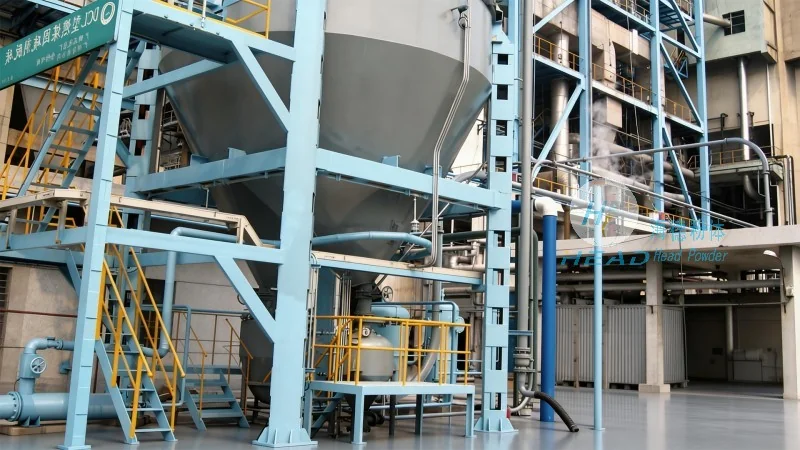
Operational Process and Flow Control
The operational process of a copper mine sand pneumatic conveying system involves several steps to ensure smooth and consistent material transport. First, the copper mine sand powder is loaded into the material hopper. The feeding valve is adjusted to control the flow rate, which is monitored by sensors to maintain a stable feed. The air compressor then starts, and the air is introduced into the hopper, creating a pressure that pushes the powder into the pipeline. The powder-air mixture travels through the conveying pipeline, with the air velocity maintaining particle suspension. At the discharge end, the mixture enters the discharge device, where the air is separated from the powder. The separated powder is collected in a storage bin, while the air is either recirculated or vented to the atmosphere, depending on the system's design. The system's control panel monitors key parameters such as pressure, flow rate, and temperature, allowing operators to adjust settings in real-time to optimize performance. This flow control ensures that the system operates within safe and efficient parameters, preventing overpressure or underflow conditions that could lead to system failures or material loss.
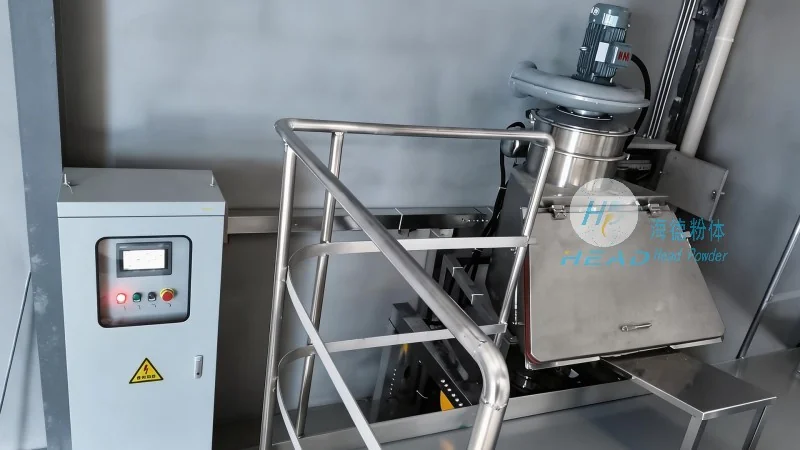
Advantages of Pneumatic Conveying for Copper Mine Sand
Pneumatic conveying systems offer several advantages for handling copper mine sand powder. One of the primary benefits is the ability to transport materials in a closed system, which reduces dust emissions and improves workplace safety. This is particularly important for copper mine sand, which can be abrasive and potentially hazardous. The closed system also prevents contamination from external sources, ensuring the quality of the powder is maintained. Another advantage is the flexibility of the system, which can be adapted to different processing requirements. The system can handle varying particle sizes and flow rates, making it suitable for different stages of copper mine sand processing, such as grinding, classification, or storage. Additionally, pneumatic conveying systems are energy-efficient compared to other material handling methods, such as belt conveyors or bucket elevators. The use of air as the conveying medium reduces the need for mechanical components, lowering maintenance costs and increasing system reliability. The system's compact design also saves space in industrial facilities, making it ideal for applications with limited floor space. Overall, pneumatic conveying provides a reliable and efficient solution for copper mine sand powder handling, enhancing operational performance and safety.
Applications in Copper Mine Processing
Copper mine sand pneumatic conveying systems are widely used in various stages of copper mine processing. In the grinding and milling operations, the system is used to transport ground copper ore to the classification and flotation units. The fine powder is conveyed from the grinding mill to the classifier, where it is separated into different particle size fractions. The classified powder is then sent to the flotation process, where it is mixed with reagents to separate copper minerals from gangue. The pneumatic conveying system ensures that the powder is transported efficiently and without contamination, maintaining the quality of the ore for processing. In the storage and handling stages, the system is used to move copper mine sand from the storage bins to the processing units or to transport it to other facilities. The closed system prevents dust from spreading and ensures that the powder is handled safely and hygienically. Additionally, the system can be integrated with other processing equipment, such as crushers or screens, to form a continuous material handling line. This integration improves the overall efficiency of the copper mine processing plant, reducing downtime and increasing production capacity. The reliability of the pneumatic conveying system also contributes to the stability of the processing line, as it minimizes the risk of material blockages or system failures that could disrupt production.