

Operation Process and Working Principle of Lithium Oxalate Powder Pneumatic Conveying
HeadPowder, a leading enterprise in the field of powder engineering, specializes in the design, manufacturing, and application of advanced pneumatic conveying systems for various industrial powders, including lithium oxalate. This article provides a detailed overview of the operation process and working principle of pneumatic conveying systems specifically tailored for lithium oxalate powder, highlighting the technical aspects and operational efficiency of such systems.
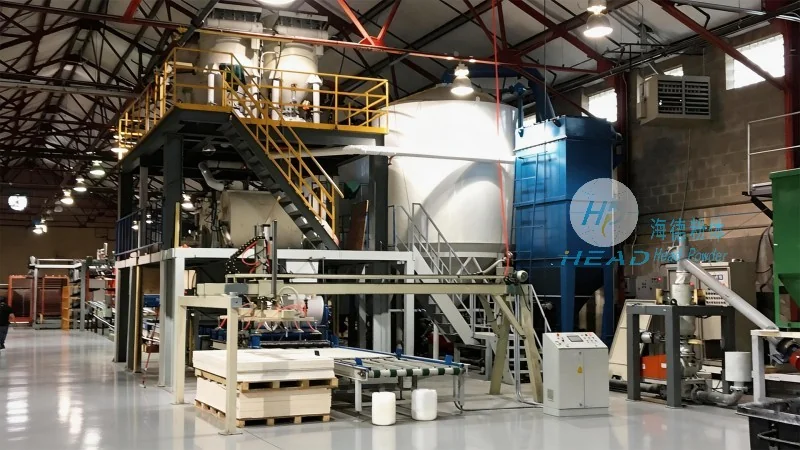
Company Profile: Shandong HeadPowder Engineering Co., Ltd.
HeadPowder, with its headquarters located in Shandong, China, is a professional manufacturer and supplier of powder handling equipment. The company focuses on delivering high-quality solutions for the efficient and safe transportation of powders in industrial settings. By leveraging years of experience and advanced technology, HeadPowder ensures that its pneumatic conveying systems meet the stringent requirements of modern manufacturing processes, particularly for sensitive materials like lithium oxalate.
Pneumatic Conveying: An Overview
Pneumatic conveying is a method of transporting bulk materials, such as powders, through a pipeline using a gas stream, typically air or other gases. This technology offers several advantages over traditional mechanical conveying systems, including reduced equipment wear, lower maintenance costs, and the ability to handle materials that are difficult to transport via conventional means. For lithium oxalate powder, which is often used in battery manufacturing and other high-tech applications, pneumatic conveying provides a reliable and efficient solution for moving the material from storage to processing units.
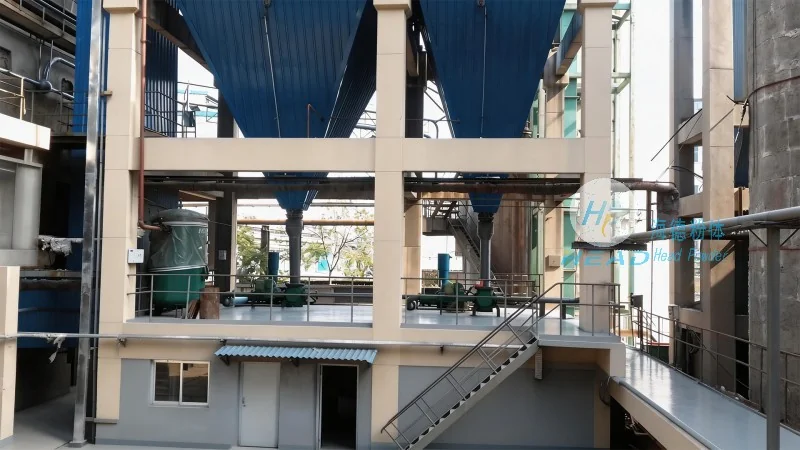
System Components and Their Functions
A typical pneumatic conveying system for lithium oxalate powder consists of several key components, each playing a crucial role in the overall operation. These components include the material feed hopper, the air compressor or blower, the conveying pipeline, the control system, and the discharge equipment. The material feed hopper is responsible for storing and feeding the lithium oxalate powder into the system at a controlled rate. The air compressor or blower generates the necessary air pressure to create the gas stream that propels the powder particles through the pipeline. The conveying pipeline, usually made of stainless steel or other corrosion-resistant materials, ensures the safe and efficient transport of the powder. The control system monitors and regulates the air pressure, flow rate, and material feed to maintain optimal operation. Finally, the discharge equipment, such as a rotary valve or a receiver, collects the powder at the destination point.
Working Principle of Pneumatic Conveying for Lithium Oxalate
The working principle of a pneumatic conveying system for lithium oxalate powder involves the creation of a high-velocity air stream within the conveying pipeline. As the air is compressed and directed through the system, it picks up the powder particles from the feed hopper and transports them to the discharge point. The velocity of the air stream is critical; it must be sufficient to overcome the gravitational forces acting on the powder particles and to maintain the powder in a suspended state throughout the conveying process. This suspended state, often referred to as the "fluidized" state, ensures that the powder moves smoothly through the pipeline without settling or clogging. The system operates in either positive pressure or negative pressure mode, depending on the specific requirements of the application. Positive pressure systems use compressed air to push the powder through the pipeline, while negative pressure systems use a vacuum to draw the powder from the source. For lithium oxalate, which is a fine powder with a relatively low density, positive pressure systems are commonly preferred due to their ability to handle the material efficiently and safely.
Operation Process: Step-by-Step
The operation process of a pneumatic conveying system for lithium oxalate powder can be broken down into several key steps. First, the lithium oxalate powder is stored in the feed hopper, which is typically equipped with a level indicator to monitor the material inventory. The system is then started by activating the air compressor or blower, which generates the required air pressure. The powder is then fed into the pipeline at a controlled rate, usually through a rotary valve or a feeder, ensuring a consistent flow. The air stream, moving at a high velocity, picks up the powder particles and transports them through the pipeline to the discharge point. At the discharge point, the powder is collected in a receiver or a processing unit, and the air is filtered and returned to the system or released to the atmosphere. The control system continuously monitors the pressure, flow rate, and material feed to maintain the optimal operating conditions. Any adjustments to the system parameters are made in real-time to ensure smooth and efficient operation.
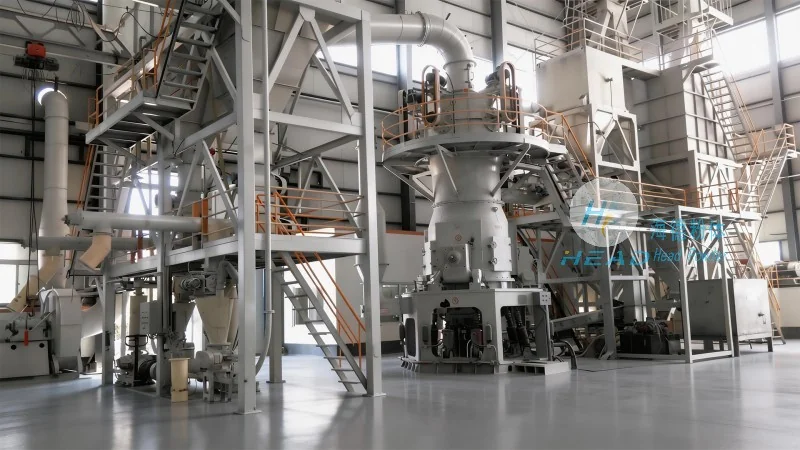
Advantages of Pneumatic Conveying for Lithium Oxalate
Pneumatic conveying systems offer several advantages when used for transporting lithium oxalate powder. First, they provide a dust-free and enclosed environment, which is crucial for maintaining the purity of the material, especially in applications like battery manufacturing where even trace contaminants can affect the performance of the final product. Second, the system is compact and can be integrated into existing production lines, reducing the need for additional space and infrastructure. Third, the conveying process is gentle on the powder particles, minimizing the risk of agglomeration or degradation, which is important for maintaining the quality of lithium oxalate. Fourth, the system is highly flexible and can be easily scaled up or down to meet changing production demands. Finally, the maintenance costs are relatively low compared to traditional mechanical conveying systems, as there are fewer moving parts and less wear and tear on the equipment.
Conclusion
In conclusion, pneumatic conveying is an efficient and reliable method for transporting lithium oxalate powder. The system, designed and manufactured by Shandong HeadPowder Engineering Co., Ltd., combines advanced technology with careful engineering to ensure optimal performance and safety. By understanding the operation process and working principle of such systems, industries can leverage this technology to improve their production efficiency and maintain the quality of their products. HeadPowder continues to innovate and provide customized solutions to meet the evolving needs of the industry, ensuring that its customers can achieve the best possible results in their powder handling operations.