

Operation Process and Working Principle of Calcium Chloride Powder Pneumatic Conveying
Calcium chloride powder is a widely used chemical compound in various industrial applications, and its efficient handling is crucial for maintaining production efficiency and safety. Pneumatic conveying systems offer a reliable method for transporting calcium chloride powder from one location to another, ensuring minimal dust generation and optimal material flow. This article provides an in-depth exploration of the operation process and working principle of calcium chloride powder pneumatic conveying, highlighting key components, operational steps, and the benefits of this technology.
Introduction to Calcium Chloride Powder Pneumatic Conveying
Calcium chloride (CaCl₂) is a hygroscopic salt that is commonly used in de-icing, water treatment, and as a desiccant. When handled as a powder, it requires specialized equipment to ensure safe and efficient transport. Pneumatic conveying systems utilize air or gas to move the powder through a pipeline, eliminating the need for mechanical components like belts or buckets that can cause contamination or material degradation. The process is designed to maintain the integrity of the calcium chloride powder while minimizing environmental impact and operational risks.
Key Components of the Pneumatic Conveying System
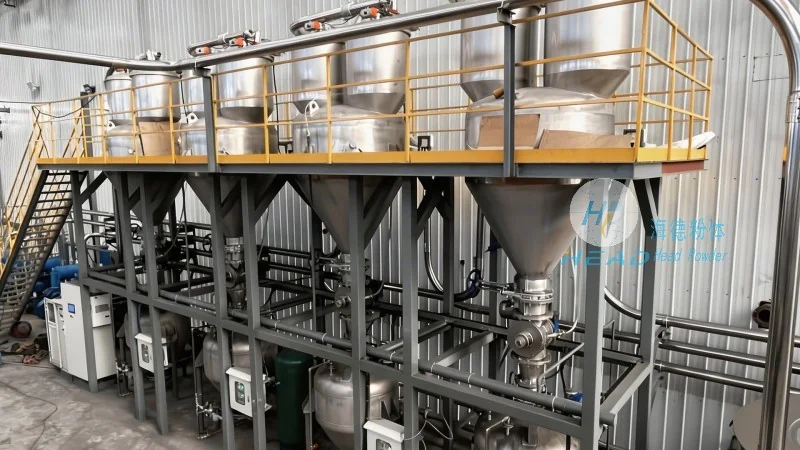
The pneumatic conveying system for calcium chloride powder typically consists of several critical components that work in tandem to ensure smooth operation. These include a material feeder, a conveying line, a dust collector, and a receiver. The material feeder is responsible for feeding the calcium chloride powder into the system at a controlled rate, preventing overloading or blockages. The conveying line, often made of stainless steel or other corrosion-resistant materials, transports the powder through the system under pressure. A dust collector is integrated to capture any airborne particles, ensuring compliance with environmental regulations and maintaining a clean working environment. Finally, the receiver stores the conveyed calcium chloride powder until it is ready for use or further processing.
Operation Process of Calcium Chloride Powder Pneumatic Conveying
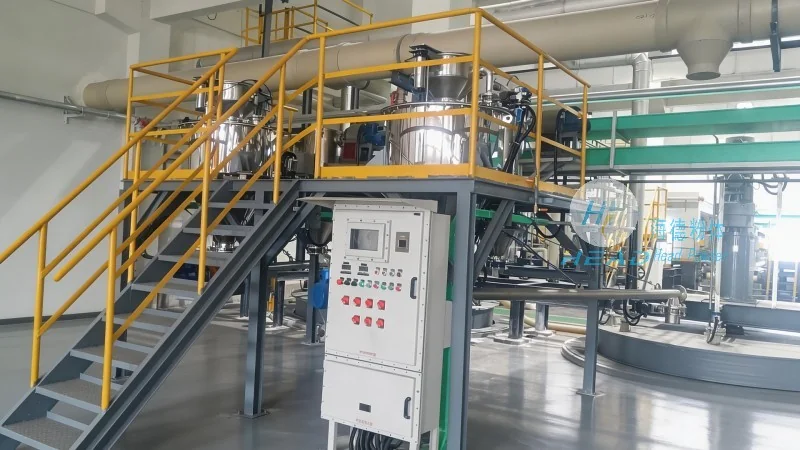
The operation process of calcium chloride powder pneumatic conveying involves several sequential steps that ensure the efficient movement of the material. First, the calcium chloride powder is fed into the system through the material feeder. The feeder controls the flow rate, which is adjusted based on the system's capacity and the desired throughput. Next, the powder is introduced into the conveying line, where it is mixed with air or gas under pressure. The air-gas mixture then propels the powder through the pipeline, moving it from the source to the destination. The conveying line may include bends, valves, and other components that direct the flow and maintain pressure. As the powder travels, it may encounter a dust collector that captures any fine particles, preventing them from escaping into the environment. Finally, the powder is deposited into the receiver, where it is stored until it is needed. The entire process is automated and monitored to ensure consistent performance and minimal downtime.
Working Principle of the Pneumatic Conveying System
The working principle of the calcium chloride powder pneumatic conveying system is based on the principles of fluid dynamics and particle transport. The system operates by creating a pressure differential between the source and the destination. The material feeder introduces the powder into the conveying line, and the air or gas is supplied at a high pressure, creating a flow that carries the powder particles. The velocity of the air-gas mixture is critical; it must be sufficient to overcome the gravitational force and frictional resistance of the powder particles, ensuring they remain suspended and transported effectively. The system's design, including the size of the conveying line and the pressure of the air-gas mixture, is optimized to match the properties of the calcium chloride powder, such as its density, particle size, and flowability. This optimization ensures that the powder is conveyed efficiently without causing blockages or excessive energy consumption.
Benefits and Applications of Calcium Chloride Powder Pneumatic Conveying
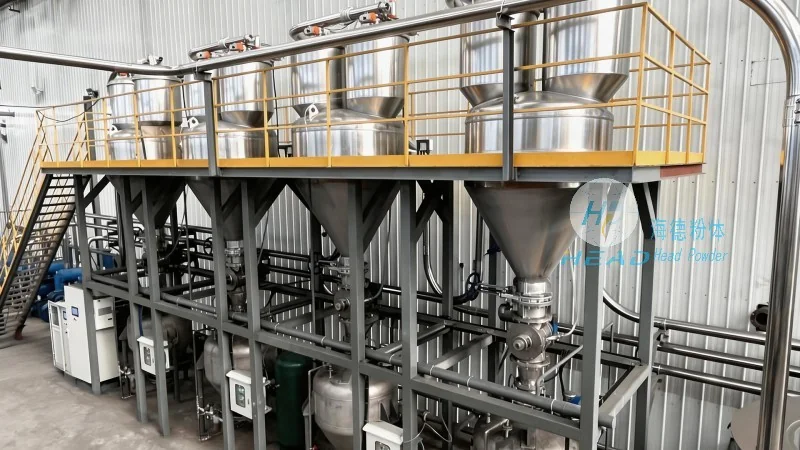
Pneumatic conveying systems offer several advantages for the handling of calcium chloride powder. These include reduced dust exposure, which improves worker safety and compliance with occupational health regulations. The system also minimizes material contamination, as there are no mechanical parts that come into direct contact with the powder. Additionally, pneumatic conveying is energy-efficient compared to other methods, such as truck or belt transport, as it uses compressed air or gas to move the material. The technology is widely used in various industries, including construction, water treatment, and food processing, where calcium chloride is used as a de-icing agent, a water softener, or a food additive. The flexibility of the system allows it to be adapted to different production scales and operational requirements, making it a versatile solution for calcium chloride powder handling.
About Shandong HeadPowder Engineering Co., Ltd.
Shandong HeadPowder Engineering Co., Ltd., operating under the brand name headpowder, is a leading provider of specialized engineering solutions for powder handling and material transport. With a focus on innovation and quality, the company has developed advanced pneumatic conveying systems tailored to the needs of various industries. Headpowder's expertise lies in designing and manufacturing equipment that ensures the safe and efficient handling of powders like calcium chloride, while adhering to the highest standards of safety and environmental compliance. The company's facilities are located in Shandong, China, where it leverages local resources and expertise to deliver reliable and cost-effective solutions to its clients. By combining technical knowledge with practical experience, headpowder has established itself as a trusted partner in the field of powder processing and material transport.