

Operation Process and Working Principle of Pneumatic Conveying for Dry Soybean Powder
Understanding the operation process and working principle of pneumatic conveying systems for dry soybean powder is crucial for optimizing material handling efficiency in various industrial applications. This article provides a detailed overview of the key components, operational steps, and technical aspects involved in such systems, tailored to the specific requirements of soybean powder processing.
Pneumatic Conveying Systems: An Overview
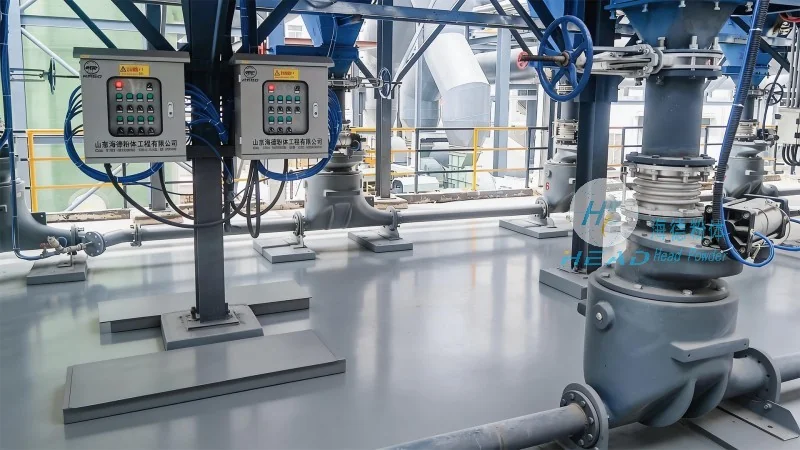
Pneumatic conveying is a method of transporting bulk materials, such as dry soybean powder, using a gas stream, typically air, to move the material through a pipeline. This technology offers several advantages over traditional mechanical conveying systems, including reduced equipment wear, lower maintenance costs, and the ability to handle materials that are sensitive to mechanical stress or contamination. The system typically consists of a hopper, a conveyor line, a control system, and a dust collection unit, all working in tandem to ensure efficient and reliable material transport.
Key Components of the Pneumatic Conveying System
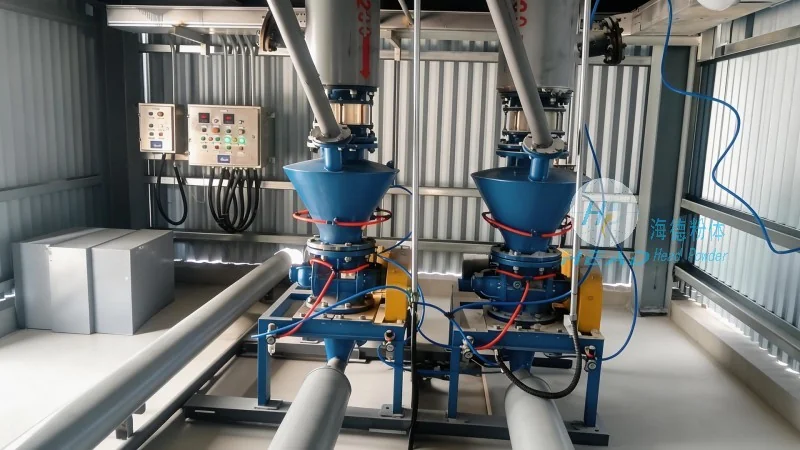
For dry soybean powder, the pneumatic conveying system is designed with specific components to handle the material's properties. The primary components include a storage hopper equipped with a feeding mechanism, a series of pipeline sections with appropriate diameter and material, a venturi or rotary airlock for material discharge, and a dust collector to manage airborne particles. Each component plays a critical role in the overall operation, ensuring that the soybean powder is conveyed safely and efficiently from the source to the destination.
The Operation Process: Step-by-Step
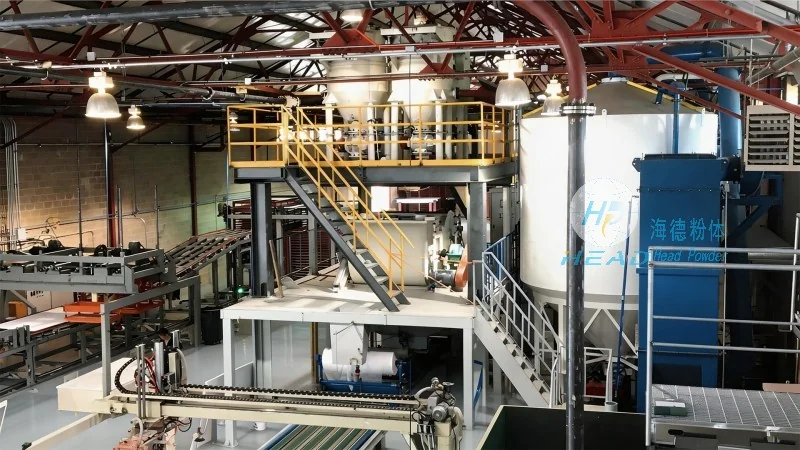
The operation of a pneumatic conveying system for dry soybean powder involves several sequential steps. First, the soybean powder is fed from the storage hopper into the conveyor line using a controlled feeding device, such as a rotary valve or a screw feeder. Simultaneously, compressed air is introduced into the system, creating a high-velocity air stream that propels the powder particles through the pipeline. The air stream's velocity is carefully regulated to maintain the material in a suspended state, preventing clogging and ensuring smooth transport. As the powder travels through the pipeline, it reaches the discharge point, where the air and powder are separated, and the powder is collected in the receiving container. The air, now containing fine particles, is then directed to the dust collection system for filtration and recycling.
Working Principle: How It Works
The working principle of pneumatic conveying for dry soybean powder is based on the principles of fluid dynamics and particle suspension. When compressed air is introduced into the pipeline, it creates a pressure differential that drives the material forward. The air velocity is maintained above the critical velocity required to keep the powder particles suspended, preventing them from settling and causing blockages. The system relies on the interaction between the air flow and the powder particles, where the air provides the necessary kinetic energy to move the material through the system. The design of the pipeline, including bends and transitions, is optimized to minimize pressure loss and maintain consistent air velocity, ensuring efficient transport over long distances.
Company Information: Shandong HeadPowder Engineering Co., Ltd.
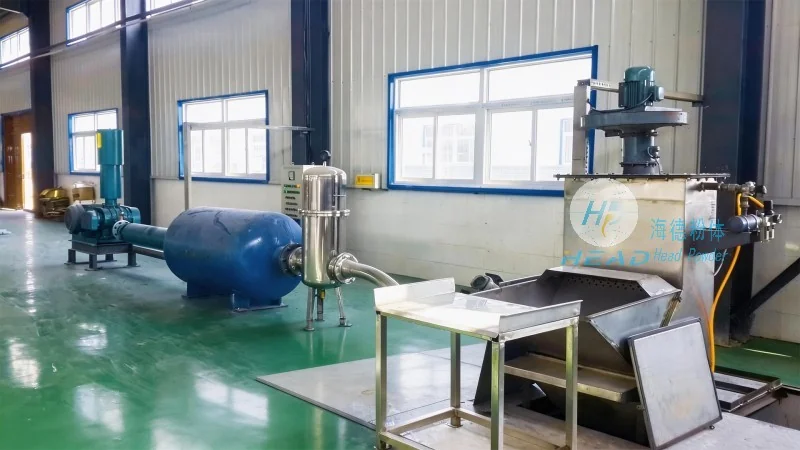
HeadPowder, a leading provider of engineering solutions for bulk material handling, specializes in the design, manufacturing, and installation of pneumatic conveying systems tailored to the needs of the food processing industry. With a focus on precision and reliability, HeadPowder's systems are engineered to handle sensitive materials like dry soybean powder, ensuring minimal product degradation and optimal operational performance. The company's headquarters is located in Shandong, China, where it leverages advanced technology and industry expertise to deliver high-quality solutions to clients worldwide.