

Operation Process and Working Principle of Pneumatic Conveying for Metal Silicon Powder
HeadPowder, a leading provider in the field of material handling solutions, specializes in the design, manufacturing, and implementation of advanced pneumatic conveying systems tailored for metal silicon powder. This article delves into the operational process and underlying working principles of such systems, offering a comprehensive understanding of how these technologies efficiently transport metal silicon powder from source to destination.
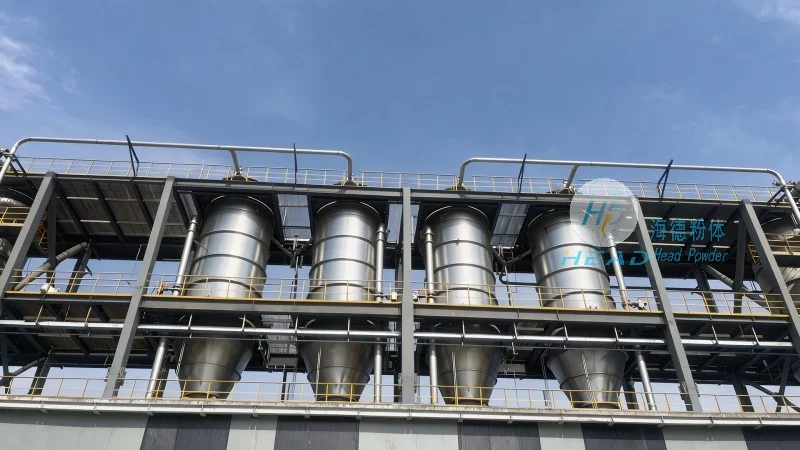
Introduction to Pneumatic Conveying for Metal Silicon Powder
Pneumatic conveying, also known as pneumatic transport, is a method of transporting bulk materials, including metal silicon powder, through a pipeline using a gas stream, typically air or a mixture of air and other gases. This technology is widely adopted in industries dealing with fine powders due to its ability to handle materials with high efficiency, minimal product degradation, and reduced contamination risks. For metal silicon powder, which is often used in semiconductor manufacturing, solar cell production, and other high-tech applications, the reliability and precision of the conveying system are critical to maintaining product quality and process efficiency.
Key Components of a Pneumatic Conveying System for Metal Silicon Powder
The effective operation of a pneumatic conveying system for metal silicon powder relies on several key components that work in concert to ensure smooth material transport. These components include:
1. Feed Hopper: This is the initial component where metal silicon powder is stored before being fed into the system. The hopper is designed to maintain a consistent material level and can be equipped with a rotary valve or a screw feeder to control the flow rate of the powder into the conveying line.
2. Conveying Line: The pipeline through which the metal silicon powder is transported. The line is typically made of materials resistant to corrosion and wear, such as stainless steel, to prevent contamination and ensure durability. The diameter and length of the line are carefully selected based on the material characteristics and the required conveying distance.
3. Air Supply System: This component generates the necessary air pressure or vacuum to move the powder. It includes a blower or a vacuum pump, a filter to remove contaminants from the air, and a pressure regulator to maintain stable air pressure. The air supply system is crucial for achieving the optimal conveying velocity and preventing material blockages.
4. Control System: An automated control system monitors and regulates the operation of the entire conveying process. It includes sensors to detect the material level in the hopper, the pressure and flow rate of the air, and the position of the rotary valve. The control system ensures that the conveying process operates within safe and efficient parameters, adjusting the feed rate and air pressure as needed to maintain consistent performance.
Operation Process of Pneumatic Conveying for Metal Silicon Powder
The operation of a pneumatic conveying system for metal silicon powder involves a series of sequential steps that ensure the material is transported from the source to the destination without interruption or degradation. The process typically begins with the metal silicon powder being fed from the hopper into the conveying line. As the air supply system generates the required pressure, the air flows through the line, creating a flow that lifts and transports the powder particles. The powder is carried along the pipeline by the air stream, moving towards the destination point, which could be a storage silo, a processing unit, or a packaging station.
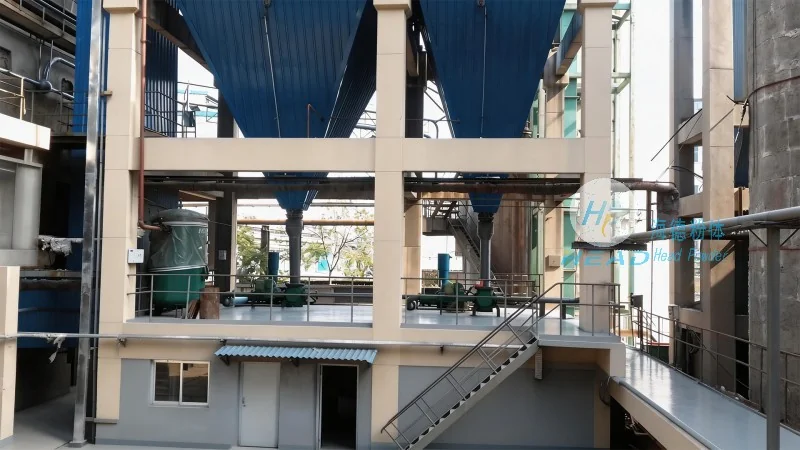
During the conveying process, the control system continuously monitors the system parameters. If the material level in the hopper decreases, the control system adjusts the feed rate to maintain a steady flow. Similarly, if the air pressure or flow rate deviates from the set points, the system automatically corrects it to prevent blockages or inefficiencies. The entire process is designed to be continuous and automated, minimizing the need for manual intervention and ensuring consistent performance.
Working Principle of Pneumatic Conveying for Metal Silicon Powder
The working principle of a pneumatic conveying system for metal silicon powder is based on the interaction between the air stream and the powder particles. There are two primary modes of pneumatic conveying: dilute phase and dense phase. For metal silicon powder, dilute phase conveying is commonly used due to its efficiency and ability to handle fine powders over long distances.
In dilute phase conveying, the powder is suspended in the air stream as individual particles, moving through the pipeline at high velocity. The air velocity is maintained above the minimum conveying velocity, which is the speed at which the powder particles are lifted and transported without settling. This mode is suitable for short to medium conveying distances and for materials that are not prone to agglomeration.
The dense phase conveying mode, on the other hand, involves transporting the powder in a more concentrated form, where the particles are in close contact with each other and the air. This mode is used for longer distances or for materials that are more prone to blockages. In dense phase conveying, the air velocity is lower, and the powder is moved in a plug flow, reducing the risk of particle degradation and ensuring a more stable transport.
Advantages of Pneumatic Conveying for Metal Silicon Powder
Implementing a pneumatic conveying system for metal silicon powder offers several advantages that make it a preferred choice in many industrial applications. These advantages include:
1. High Efficiency and Capacity: Pneumatic conveying systems can handle large volumes of metal silicon powder at high speeds, making them suitable for high-throughput production lines. The continuous operation of the system ensures that the material is transported without interruptions, improving overall production efficiency.
2. Minimal Product Degradation: The enclosed pipeline and controlled air flow prevent the metal silicon powder from coming into contact with external contaminants or being exposed to environmental factors that could degrade its quality. This is particularly important for high-purity metal silicon powder used in semiconductor and solar applications.
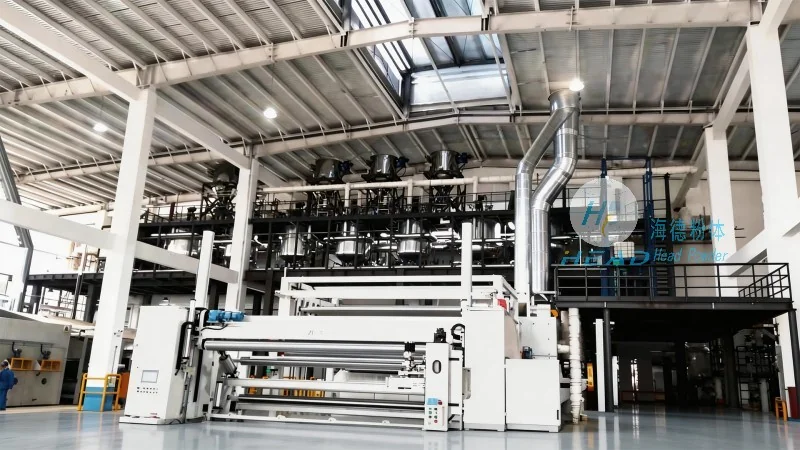
3. Reduced Contamination Risk: The sealed system design minimizes the risk of cross-contamination between different batches of metal silicon powder. This is crucial for maintaining product purity and meeting stringent quality standards required in the electronics and renewable energy industries.
4. Flexibility and Scalability: Pneumatic conveying systems can be easily customized and scaled to meet the specific needs of different production facilities. Whether it's a small-scale operation or a large industrial plant, the system can be designed to handle varying material volumes and conveying distances.
Applications of Pneumatic Conveying for Metal Silicon Powder
The versatility of pneumatic conveying systems makes them suitable for a wide range of applications involving metal silicon powder. Some of the key applications include:
1. Semiconductor Manufacturing: Metal silicon powder is a critical raw material in the production of silicon wafers and other semiconductor components. Pneumatic conveying systems are used to transport the powder from storage to the production lines, ensuring a consistent and high-purity supply.
2. Solar Cell Production: In the manufacturing of solar cells, metal silicon powder is used as a precursor for the silicon ingots. Pneumatic conveying systems efficiently transport the powder to the melting and casting processes, contributing to the high efficiency of solar cell production.
3. Chemical and Pharmaceutical Industries: Metal silicon powder is also used in various chemical and pharmaceutical applications, such as catalysts and additives. Pneumatic conveying systems help in the safe and efficient transport of these materials, ensuring compliance with safety and quality regulations.
Conclusion
HeadPowder, with its expertise in material handling solutions, provides advanced pneumatic conveying systems that are specifically designed for the efficient and reliable transport of metal silicon powder. By understanding the operation process and working principles of these systems, industries can optimize their material handling processes, improve product quality, and enhance overall operational efficiency. The combination of robust design, precise control, and efficient operation makes pneumatic conveying an indispensable technology for handling metal silicon powder in modern industrial applications.