

Operation Process and Working Principle of Mine Powder Pneumatic Conveying Machines
HeadPowder, a leading manufacturer based in Shandong, China, specializes in the design, production, and supply of high-quality pneumatic conveying systems tailored for the mining industry. This article delves into the operational process and underlying principles of mine powder pneumatic conveying machines, offering a comprehensive understanding of how these systems efficiently transport bulk powders in mining operations.
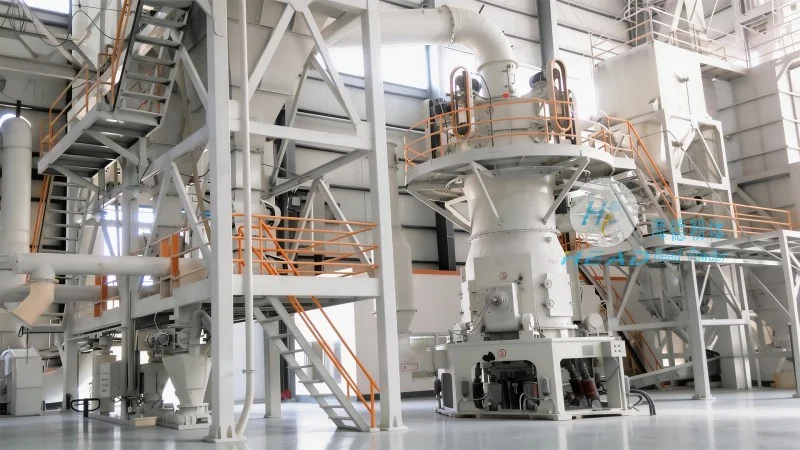
Understanding Pneumatic Conveying Systems for Mining Applications
Pneumatic conveying machines are critical equipment in modern mining operations, enabling the safe and efficient transport of fine powders and granular materials over long distances. These systems utilize air pressure to move materials, eliminating the need for mechanical components like belts or buckets that are prone to wear and maintenance issues. The core components of a typical pneumatic conveying system include a material hopper, a conveyor line, a control valve, and a receiver for the transported material. Each component plays a vital role in ensuring the smooth and reliable operation of the system.
The Working Principle of Mine Powder Pneumatic Conveying
The fundamental principle behind pneumatic conveying is the use of compressed air to create a flow that propels the powder particles. When the material is introduced into the hopper, it is drawn into the conveyor line by the pressure differential created by the air flow. The air velocity within the pipeline is maintained at a level sufficient to keep the powder suspended, preventing clogging and ensuring consistent material transport. The system operates by alternating between suction and pressure modes, depending on the specific application requirements. In suction mode, the system draws material from the source, while in pressure mode, it pushes material from a storage vessel. This dual-mode capability allows for flexible operation in various mining scenarios.
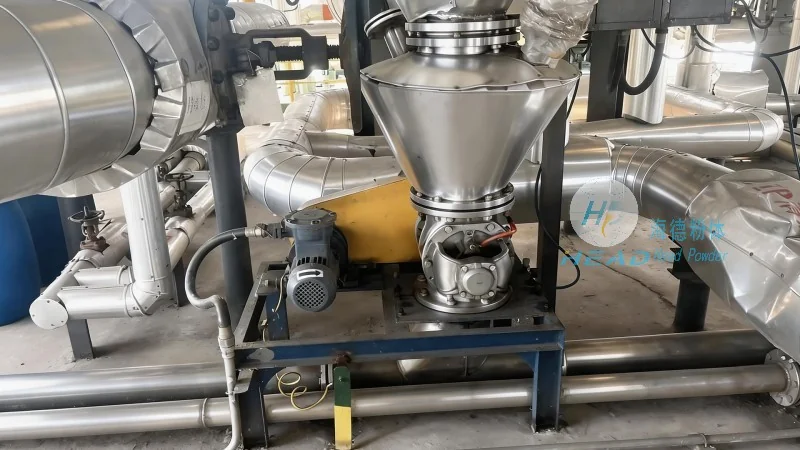
Key Operational Steps in the Pneumatic Conveying Process
The operation of a mine powder pneumatic conveying machine involves several sequential steps that ensure optimal performance. First, the material is loaded into the hopper, where it is stored before being fed into the conveyor line. The control valve then regulates the flow of air and material, controlling the speed and volume of transport. As the material travels through the pipeline, it is continuously mixed with air, maintaining a stable suspension. The receiver at the end of the line collects the transported material, separating it from the air using a filter or cyclone system. This separation process is crucial for maintaining the purity of the material and ensuring the air is clean before release. The entire process is monitored by a control system that adjusts parameters such as air pressure, flow rate, and material feed rate to maintain consistent performance.
Advantages of Using Pneumatic Conveying in Mining
Compared to traditional mechanical conveying methods, pneumatic conveying offers several advantages that make it ideal for mining applications. One of the primary benefits is the ability to transport materials over long distances without the need for intermediate transfer points, reducing the risk of material loss and contamination. The system is also highly flexible, allowing for changes in material flow direction or distance without significant modifications. Additionally, pneumatic conveying is less prone to blockages and wear, as the material is suspended in air rather than being in direct contact with mechanical components. This results in lower maintenance costs and increased operational reliability. Furthermore, the system can handle a wide range of materials, including fine powders and abrasive particles, which are common in mining operations.
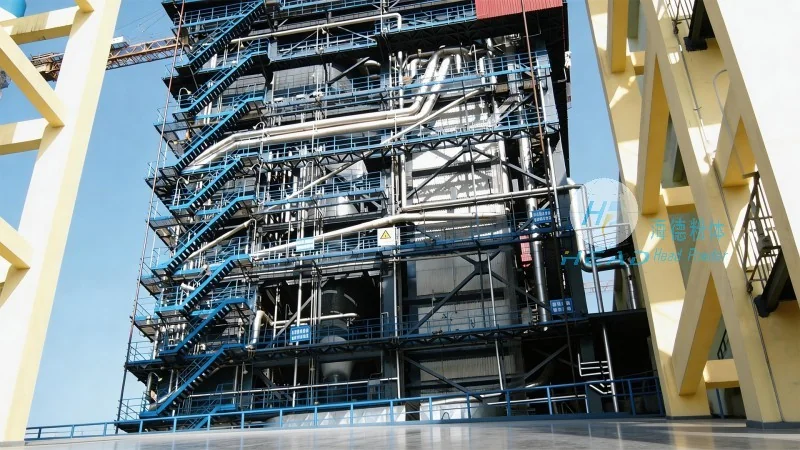
Applications of Mine Powder Pneumatic Conveying Machines
HeadPowder's pneumatic conveying systems are widely used in various mining applications, including the transport of ore, tailings, and other bulk materials. In ore processing plants, these systems are used to move crushed ore from crushers to grinding mills or storage silos. In tailings management, pneumatic conveying is employed to transport tailings from the processing plant to disposal sites, ensuring efficient and safe handling. The systems are also used in mineral processing facilities to transport raw materials to processing units and finished products to storage or shipping areas. The versatility of these machines makes them suitable for a wide range of mining operations, from small-scale operations to large industrial facilities.
Conclusion
HeadPowder's mine powder pneumatic conveying machines are designed to provide reliable and efficient material transport solutions for the mining industry. By understanding the operational process and working principles of these systems, mining operations can optimize their material handling processes, reduce costs, and improve overall productivity. With its commitment to quality and innovation, HeadPowder continues to be a trusted partner in providing advanced pneumatic conveying solutions that meet the evolving needs of the mining sector.