

Operation Process and Working Principle of Chlorinated Polyethylene Powder Pneumatic Conveying Machi
Chlorinated polyethylene (CPE) is a widely used polymer material known for its excellent weather resistance, chemical stability, and low temperature flexibility. In industrial applications, the efficient and reliable transportation of CPE powder is crucial for maintaining production efficiency and product quality. The pneumatic conveying machine for CPE powder is a key equipment designed to handle this material, ensuring safe and effective material transfer. This article will delve into the operation process and working principle of such a machine, providing a comprehensive understanding for users and potential clients.
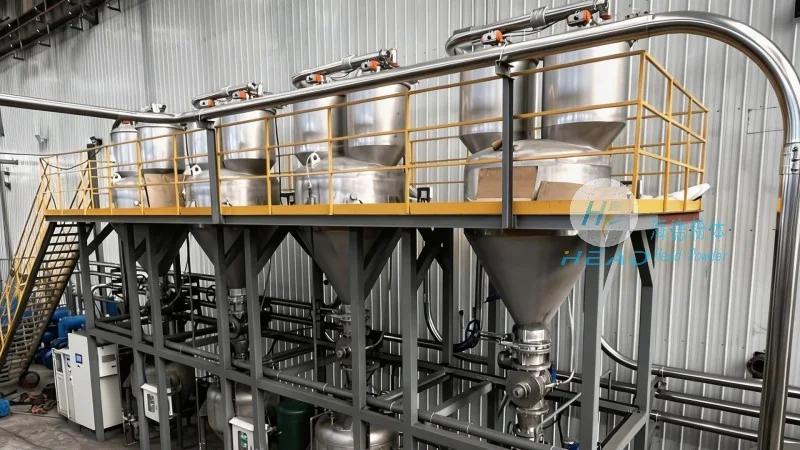
Introduction to the Pneumatic Conveying Machine for CPE Powder
The pneumatic conveying machine for chlorinated polyethylene powder is a specialized system engineered by Shandong HeadPowder Engineering Co., Ltd., a leading manufacturer based in China. The company specializes in providing high-quality industrial equipment tailored to the needs of various industries, including chemical processing, plastics manufacturing, and material handling. With a focus on innovation and precision, HeadPowder ensures that their pneumatic conveying systems meet the highest standards of performance and durability. The machine is designed to handle CPE powder efficiently, minimizing material loss and ensuring consistent flow rates. This equipment is particularly suitable for applications where traditional bulk handling methods may pose challenges, such as in environments with high dust content or where space constraints are a factor.
Key Components of the Pneumatic Conveying System
The pneumatic conveying machine for CPE powder consists of several critical components that work in tandem to achieve effective material transport. These components include the hopper, which serves as the storage and feeding unit for the powder; the air compressor, which generates the necessary air pressure to move the material; the conveying line, which transports the powder through the system; and the receiver, which collects the material at the destination. Each component plays a vital role in the overall operation, and their proper integration is essential for optimal performance. The hopper is typically equipped with a feeder, such as a rotary valve or a screw feeder, to control the flow of CPE powder into the system. This ensures a steady and controlled supply of material, preventing overloading or underfeeding. The air compressor is responsible for generating the required air pressure, which can range from low to high pressure depending on the distance and volume of material to be conveyed. The conveying line is usually made of stainless steel or other corrosion-resistant materials to withstand the chemical properties of CPE powder and maintain hygiene standards. The receiver is designed to collect the conveyed powder and may include features like a dust filter or a venting system to manage any residual air or dust.
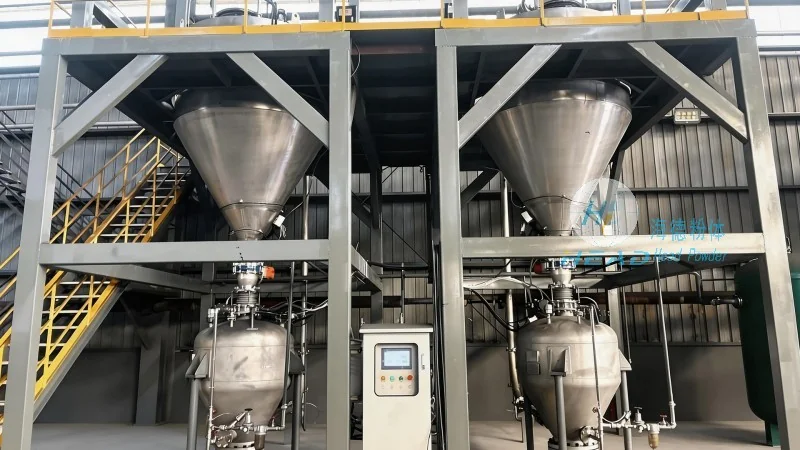
Operation Process of the Pneumatic Conveying Machine
The operation process of the chlorinated polyethylene powder pneumatic conveying machine involves several sequential steps that ensure smooth and efficient material transfer. The process begins with the loading of CPE powder into the hopper. The powder is then fed into the conveying line through the feeder, which regulates the flow rate based on the system's requirements. Simultaneously, the air compressor starts operating, generating the necessary air pressure to create a flow of air through the conveying line. As the air flows, it picks up the CPE powder particles and carries them to the receiver. The velocity of the air is carefully controlled to ensure that the powder is transported without causing excessive wear or degradation. The system may include a series of bends or turns in the conveying line, which are designed to maintain the air-powder mixture's stability and prevent material settling or blockages. Once the powder reaches the receiver, the air is typically filtered and vented to prevent dust emissions. The receiver is equipped with a discharge valve or a conveyor to transfer the CPE powder to the next processing stage. The entire operation is monitored by control systems that adjust the air pressure, flow rate, and feeder speed to maintain optimal performance. This closed-loop control ensures that the system operates efficiently and consistently, minimizing downtime and maximizing productivity.
Working Principle of the Pneumatic Conveying Machine
The working principle of the chlorinated polyethylene powder pneumatic conveying machine is based on the fundamental concept of pneumatic transport, where material is conveyed using a gas (air) as the medium. The process relies on the creation of a pressure differential between the hopper and the receiver, which drives the movement of the powder. The air compressor generates a high-pressure air stream that enters the conveying line at the hopper end. As the air flows through the line, it creates a negative pressure at the receiver end, pulling the CPE powder particles into the air stream. The air-powder mixture then travels through the conveying line to the receiver, where the air is separated from the powder. The separation is achieved through a combination of gravity, cyclonic separation, or filtration, depending on the system design. The air is then vented, while the CPE powder is collected in the receiver. The key to the machine's efficiency lies in the balance between air velocity and powder concentration. If the air velocity is too low, the powder may settle and cause blockages; if it is too high, the powder may be damaged or the system may become inefficient. The system is designed to maintain an optimal air-powder ratio, ensuring that the material is conveyed smoothly and without degradation. The use of appropriate materials for the conveying line and components is also critical to prevent corrosion or wear from the CPE powder, which can be abrasive and chemically active. Shandong HeadPowder Engineering Co., Ltd. ensures that their machines are equipped with high-quality materials and components that are resistant to the properties of CPE powder, enhancing the system's longevity and performance.
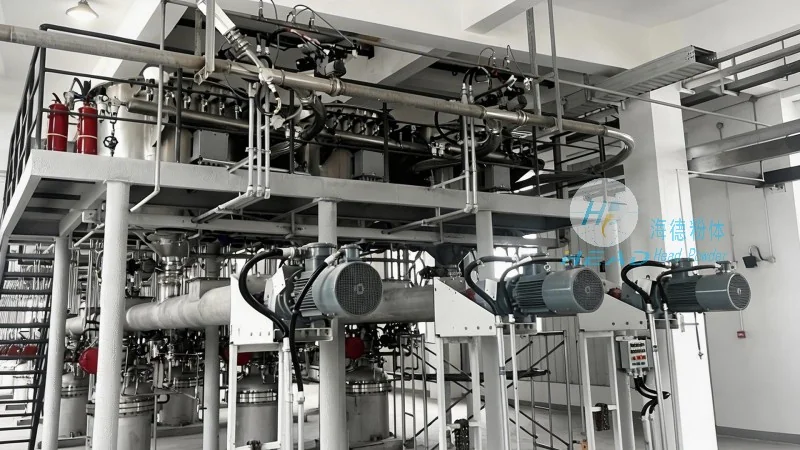
Advantages of Using a Pneumatic Conveying Machine for CPE Powder
Implementing a pneumatic conveying machine for chlorinated polyethylene powder offers several advantages over traditional handling methods. One of the primary benefits is the ability to handle the material in a closed system, which minimizes dust emissions and improves workplace safety. This is particularly important for CPE powder, which can be fine and potentially hazardous if inhaled. The closed system also prevents material contamination, ensuring that the CPE powder remains pure and free from external pollutants. Another advantage is the flexibility and scalability of the system. Pneumatic conveying machines can be easily adjusted to handle varying volumes of CPE powder, making them suitable for both small-scale and large-scale operations. The system can also be integrated with other processing equipment, such as mixers or extruders, to create a seamless production line. Additionally, the pneumatic conveying machine reduces the need for manual handling, which improves operational efficiency and reduces labor costs. The equipment is also designed to be energy-efficient, with the air compressor operating at optimal levels to minimize energy consumption. This not only reduces operational costs but also contributes to environmental sustainability. Overall, the use of a pneumatic conveying machine for CPE powder enhances production efficiency, improves product quality, and ensures a safer working environment.
Applications and Industries
The pneumatic conveying machine for chlorinated polyethylene powder is widely used in various industries that require the handling of polymer powders. In the chemical industry, it is used for transporting CPE powder to processing units, such as extruders or mixers, where it is used to manufacture various products like pipes, sheets, and coatings. The automotive industry also utilizes this equipment to handle CPE powder in the production of automotive parts, where the material's weather resistance and flexibility are essential. The construction industry benefits from the machine's ability to transport CPE powder to sites where it is used in roofing materials or other building components. Additionally, the machine is used in the packaging industry for handling CPE powder in the production of packaging films or containers. The versatility of the system makes it suitable for a wide range of applications, making it a valuable asset for any industry dealing with polymer powders.