

Operation Process and Working Principle of Powder Electrolyte Pneumatic Conveying Equipment
The pneumatic conveying system for powder electrolyte is a specialized equipment designed to handle the transportation of fine powder materials, particularly those used in battery manufacturing and other industrial processes. As a key component in material handling, this system ensures efficient and reliable movement of powder electrolyte from the storage or production area to the processing or packaging stages. Manufactured by Shandong HeadPowder Engineering Co., Ltd., a leading enterprise in the field, the system is engineered to meet the stringent requirements of modern industrial applications, focusing on performance, durability, and environmental compliance.
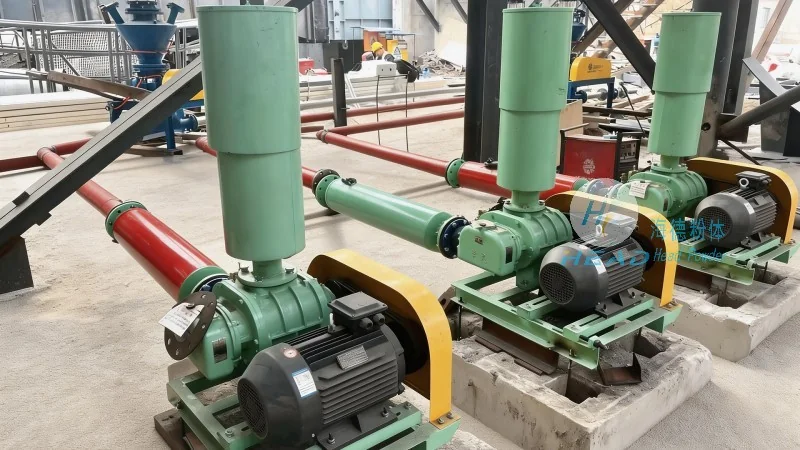
Working Principle of the Pneumatic Conveying System
The core working principle of the pneumatic conveying system for powder electrolyte is based on the interaction between air flow and powder particles. The system operates by creating a pressure differential within the conveying pipe, which entrains the powder and transports it through the system. The process typically involves the following key components and mechanisms:
1. **Material Feeding and Control**: The powder electrolyte is fed into a hopper, where a rotary valve regulates the flow rate. This control mechanism ensures a consistent and controlled feed of material into the conveying line, preventing overloading or underfeeding that could affect system performance.
2. **Air Compression and Flow**: A high-pressure air compressor generates compressed air, which is then introduced into the conveying pipe. The air flow creates a negative pressure (or positive pressure, depending on the system design) that pulls or pushes the powder particles along the pipe. The velocity and pressure of the air are critical factors in determining the efficiency of the conveying process.
3. **Conveying and Entrainment**: As the air flows through the pipe, it entrains the powder particles, forming a mixture known as a "slurry" or "air-powder mixture." This mixture is propelled forward by the air pressure, moving from the feeding point to the discharge point. The design of the conveying pipe, including its diameter, length, and bends, is optimized to minimize pressure loss and maintain the stability of the powder-air mixture.
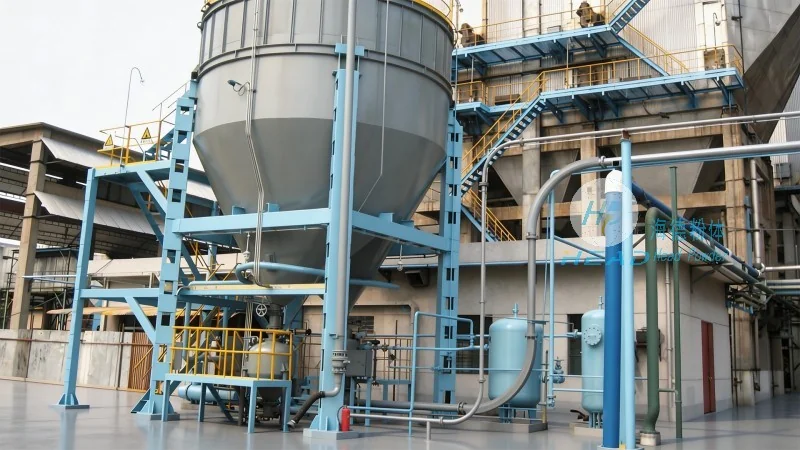
4. **Dust Collection and Environmental Control**: To ensure environmental compliance and maintain product purity, the system includes a dust collection unit. This unit captures any fine particles that may escape during the conveying process, preventing air pollution and protecting the surrounding environment. The collected dust is typically returned to the system or disposed of according to regulatory requirements.
Operation Process of the Pneumatic Conveying System
The operation process of the pneumatic conveying system for powder electrolyte involves a series of coordinated steps to ensure smooth and efficient material transport. The process begins with the preparation of the system and the loading of the powder electrolyte into the hopper. The following steps outline the typical operation sequence:
1. **System Preparation**: Before starting the operation, the system is checked for any leaks or obstructions in the conveying pipe, hopper, and other components. The rotary valve is adjusted to the desired feed rate, and the air compressor is started to build up the required pressure.
2. **Material Loading**: The powder electrolyte is loaded into the hopper, either manually or through an automated feeding system. The hopper is designed to hold a sufficient quantity of material to maintain a continuous flow during operation.
3. **Conveying Initiation**: Once the material is loaded and the system is ready, the rotary valve is activated to allow the powder to enter the conveying pipe. The air compressor then supplies compressed air, creating the necessary pressure differential to start the conveying process.
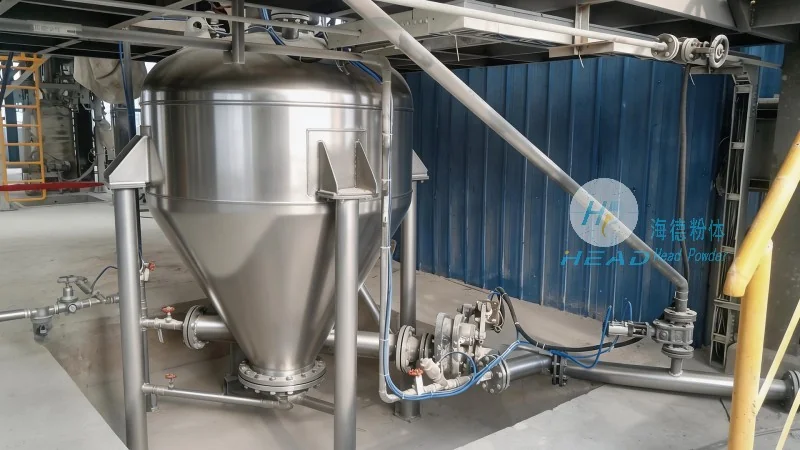
4. **Continuous Operation**: The system operates continuously, with the rotary valve controlling the feed rate and the air compressor maintaining the pressure. The powder electrolyte is transported through the pipe to the discharge point, where it is collected in a receiving container or further processed.
5. **System Shutdown and Maintenance**: At the end of the operation, the system is shut down in an orderly manner. The air compressor is turned off, and the rotary valve is closed to stop the material flow. Regular maintenance, including cleaning the hopper, conveying pipe, and dust collection unit, is performed to ensure the system remains in optimal condition and to extend its service life.
Key Features and Advantages of the Pneumatic Conveying System
Shandong HeadPowder Engineering Co., Ltd. has integrated several key features into its pneumatic conveying system for powder electrolyte, enhancing its performance and reliability. These features include:
1. **Customizable Design**: The system can be customized to meet the specific requirements of different applications, including varying material types, feed rates, and conveying distances. This flexibility allows the system to be adapted to a wide range of industrial needs.
2. **High Efficiency and Low Energy Consumption**: The design of the conveying pipe and the control of air flow minimize energy loss, resulting in high efficiency and low operational costs. The system is engineered to optimize the use of compressed air, reducing energy consumption compared to traditional methods like belt conveyors.
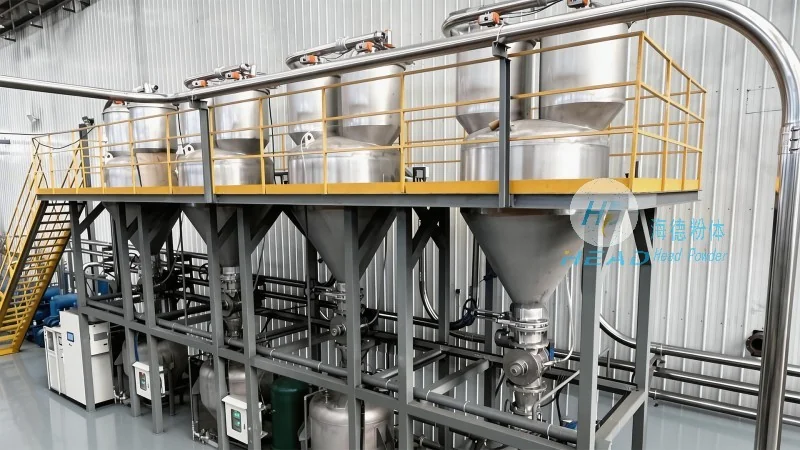
3. **Low Maintenance and Long Service Life**: The use of high-quality materials and robust components ensures low maintenance requirements and a long service life. The system is designed to withstand the abrasive nature of powder electrolyte and other fine materials, reducing the need for frequent repairs.
4. **Environmental Compliance**: The inclusion of a dust collection unit ensures that the system operates in compliance with environmental regulations, preventing air pollution and maintaining a clean working environment.
5. **Safety and Reliability**: The system incorporates safety features such as pressure relief valves and emergency shut-off mechanisms to prevent accidents and ensure reliable operation. The control system monitors key parameters, providing real-time feedback and alerts in case of any issues.
Conclusion
The pneumatic conveying system for powder electrolyte, as developed by Shandong HeadPowder Engineering Co., Ltd., represents a sophisticated and efficient solution for the transportation of fine powder materials. Through its well-defined working principle and systematic operation process, the equipment enhances productivity, reduces operational costs, and maintains the quality of the powder electrolyte during handling. This makes it an essential component in industries such as battery manufacturing, where the reliable handling of electrolyte powders is critical for production efficiency and product quality. By leveraging advanced technology and rigorous quality control, Shandong HeadPowder Engineering Co., Ltd. continues to provide high-performance pneumatic conveying systems that meet the evolving needs of modern industrial applications.