

Operation Process and Working Principle of Fully Automatic Bulk Material Pneumatic Conveying
For industrial applications requiring efficient and reliable material handling, fully automatic bulk material pneumatic conveying systems offer a sophisticated solution. These systems are designed to transport dry bulk materials such as powders, granules, and fine particles through a network of pipes using air pressure or vacuum. The technology has evolved significantly, providing seamless integration into modern production lines while ensuring minimal human intervention and optimal performance.
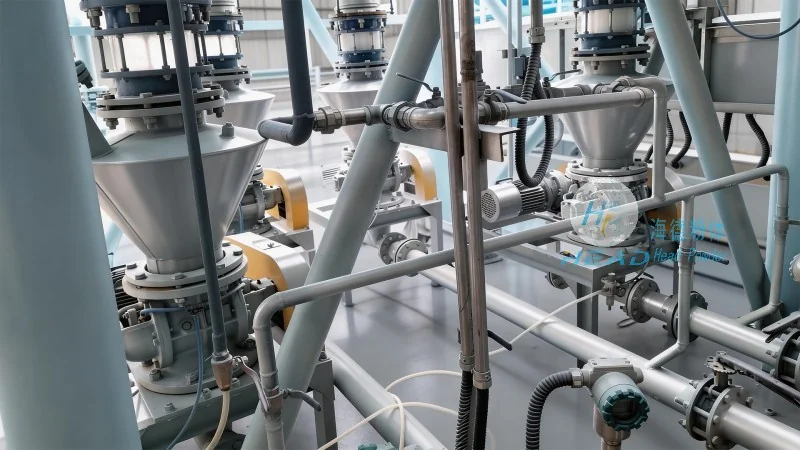
Company Overview: Shandong HeadPowder Engineering Co., Ltd.
HeadPowder, a leading manufacturer in the field, specializes in the design, development, and implementation of advanced pneumatic conveying solutions. With a strong commitment to innovation and quality, the company has established itself as a trusted partner for industries ranging from food and pharmaceuticals to chemicals and minerals. HeadPowder's expertise lies in creating customized systems that meet the unique requirements of each client, ensuring durability, efficiency, and compliance with industry standards.
Understanding the Core Components of a Fully Automatic System
A fully automatic bulk material pneumatic conveying system comprises several key components that work in harmony to achieve seamless material transport. These include a hopper for material storage, a feeder to control the flow rate, a conveying line with appropriate pipe diameters and bends, a filter system to capture dust and particles, and a control unit that manages the entire operation. Each component is meticulously engineered to ensure optimal performance and longevity.
The Operation Process: From Loading to Discharge
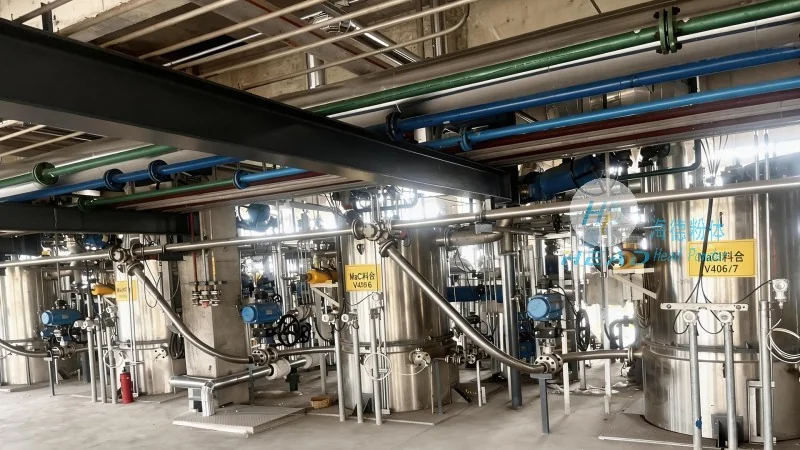
The operation of a fully automatic bulk material pneumatic conveying system begins with the loading of material into the hopper. The feeder then regulates the flow of material into the conveying line, ensuring a consistent and controlled feed. Air is introduced into the system, either through a blower or a vacuum pump, creating the necessary pressure or suction to move the material through the pipes. The material travels through the conveying line, which may include vertical or horizontal sections, elbows, and other fittings designed to minimize friction and maintain flow efficiency. At the discharge end, the material is collected in a receiving hopper or container. The entire process is automated, with the control unit monitoring parameters such as pressure, flow rate, and material level to adjust operations as needed, ensuring continuous and reliable performance.
Working Principle: The Physics Behind Pneumatic Conveying
The working principle of a fully automatic bulk material pneumatic conveying system is based on the fundamental physics of fluid dynamics and particle motion. When air is introduced into the conveying line, it creates a stream that lifts and propels the material particles. The velocity of the air must be sufficient to overcome the gravitational force acting on the particles and to maintain them in suspension. The system operates on either positive pressure (where air is blown into the line) or negative pressure (where air is drawn out), depending on the application and the distance the material needs to travel. The design of the system, including the size of the pipes, the angle of bends, and the type of air distribution, is critical to achieving efficient and low-energy transport. Advanced systems may also incorporate features such as pulse-jet cleaning to maintain the cleanliness of the conveying line and prevent clogging.
Advantages of Fully Automatic Pneumatic Conveying Systems
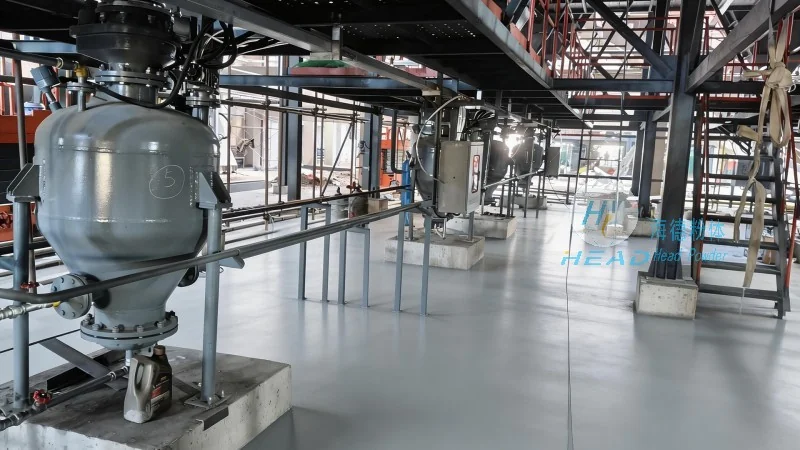
Compared to traditional mechanical conveying methods, fully automatic bulk material pneumatic conveying systems offer several advantages. These include reduced labor costs due to minimal human intervention, improved safety as there are fewer moving parts and less exposure to hazardous materials, and enhanced flexibility in handling a wide range of materials. The systems are also highly efficient in terms of energy consumption, especially when optimized for the specific material and application. Additionally, the automated control systems provide real-time monitoring and data logging, enabling better process control and maintenance planning. These benefits make fully automatic pneumatic conveying an attractive solution for industries seeking to improve operational efficiency and reduce downtime.
Customization and Application Scope
HeadPowder recognizes that each industrial application has unique requirements, and thus offers customized fully automatic bulk material pneumatic conveying systems. The company works closely with clients to understand their specific needs, such as the type of material, the distance to be conveyed, the required flow rate, and any environmental or safety constraints. Based on this information, HeadPowder designs and manufactures systems that are tailored to meet these specifications. The applications of these systems are diverse, including the handling of food-grade powders in the food and beverage industry, pharmaceutical powders in the healthcare sector, chemical powders in the manufacturing industry, and mineral powders in the mining and processing industries. The versatility of the fully automatic systems allows them to be integrated into existing production lines or as part of new facility designs, providing a seamless and efficient material handling solution.
Maintenance and Longevity of the System
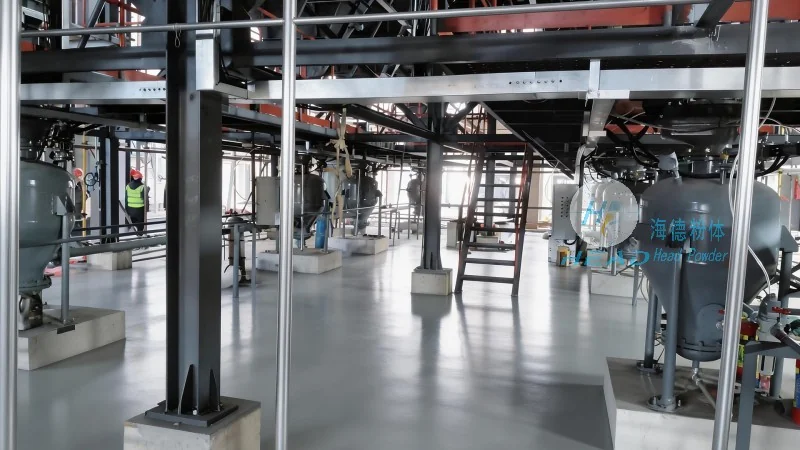
To ensure the long-term performance and reliability of a fully automatic bulk material pneumatic conveying system, regular maintenance is essential. HeadPowder provides comprehensive maintenance services and support to its clients, including routine inspections, cleaning of the conveying line and filter system, and replacement of worn components. The company's expertise in system design ensures that components are selected for durability and ease of maintenance, reducing the overall cost of ownership over the system's lifespan. By adhering to recommended maintenance schedules and using high-quality parts, the system can maintain its efficiency and performance for many years, providing a reliable material handling solution for industrial operations.
Conclusion: The Future of Material Handling with Fully Automatic Pneumatic Conveying
As industries continue to seek more efficient and automated solutions for material handling, fully automatic bulk material pneumatic conveying systems remain a key technology. With advancements in control systems, materials science, and design, these systems are becoming even more sophisticated and capable of handling increasingly complex material transport requirements. HeadPowder, with its commitment to innovation and customer satisfaction, continues to lead the way in providing advanced pneumatic conveying solutions that meet the evolving needs of modern industries. By leveraging the benefits of automation and efficient design, these systems offer a sustainable and reliable approach to material handling, ensuring that industries can operate at their peak performance while minimizing costs and maximizing productivity.