

Operation Process and Working Principle of Pneumatic Conveying for Carbon Black and Coal Powder Mate
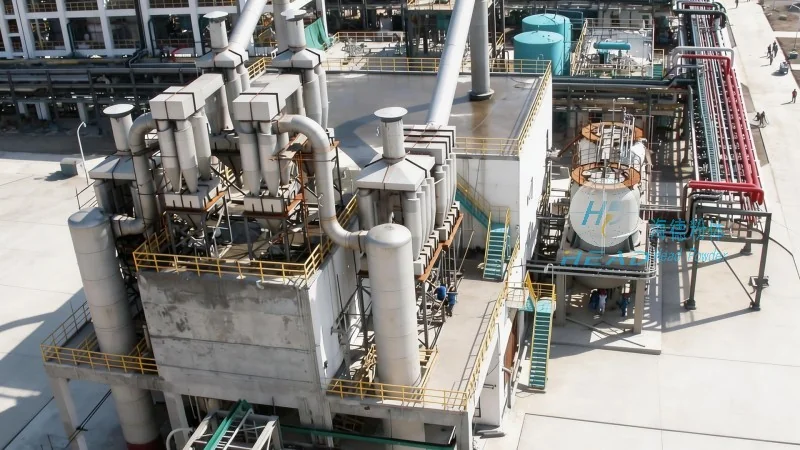
HeadPowder, a leading engineering company based in Shandong, China, specializes in the design, manufacturing, and installation of advanced pneumatic conveying systems tailored for the efficient handling of carbon black and coal powder materials. This article delves into the operational process and underlying principles of such systems, highlighting how they address the unique challenges associated with these powders in industrial applications.
Pneumatic Conveying: An Overview
Pneumatic conveying is a method of transporting bulk materials through a pipeline using pressurized air or vacuum. It offers a flexible and efficient solution for moving carbon black and coal powder, which are often sensitive to moisture, agglomeration, and contamination. Unlike mechanical conveying systems, pneumatic conveyors eliminate the need for moving parts in contact with the material, reducing wear and maintenance costs while ensuring a clean and hygienic transfer process.
Key Characteristics of Carbon Black and Coal Powder
Carbon black and coal powder are fine particulate materials with distinct properties that influence the design of pneumatic conveying systems. Carbon black, typically produced by the incomplete combustion of hydrocarbons, has a high surface area and can be prone to static electricity, which may affect flow and cause dust issues. Coal powder, on the other hand, is often coarser but still requires careful handling to prevent dust explosions and material degradation. Understanding these characteristics is crucial for selecting the appropriate conveying technology and system components.
HeadPowder's Pneumatic Conveying Solutions
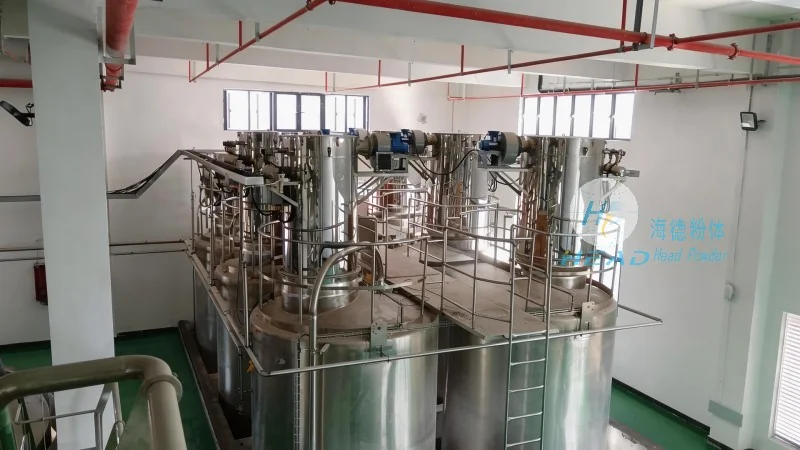
Shandong HeadPowder Engineering Co., Ltd. leverages decades of expertise to develop customized pneumatic conveying systems that meet the specific requirements of carbon black and coal powder applications. The company's solutions are engineered to handle varying particle sizes, moisture contents, and flow rates, ensuring reliable and continuous operation. By integrating advanced control systems and high-quality materials, HeadPowder's systems enhance process efficiency and reduce downtime for industrial clients.
The Operational Process of Pneumatic Conveying
The operation of a pneumatic conveying system for carbon black and coal powder involves several key steps. First, the material is fed into the conveying line from a storage hopper or silo. A blower or compressor then generates the necessary air pressure to move the material through the pipeline. The system may include components such as in-line mixers, filters, and cyclones to ensure uniform flow and prevent material buildup. At the destination, the material is discharged into a receiving hopper or processing unit. The entire process is typically automated, with real-time monitoring and control to optimize performance and maintain safety standards.
Working Principle of Pneumatic Conveying Systems
The working principle of pneumatic conveying relies on the interaction between the material particles and the air stream. In a pressure system, the blower pushes air through the pipeline, creating a positive pressure that propels the material forward. The air velocity must be sufficient to overcome the gravitational and frictional forces acting on the particles. In a vacuum system, a vacuum pump creates a negative pressure that draws the material into the pipeline. The design of the system, including the pipe diameter, length, and bends, is critical to maintaining the required air velocity and preventing material deposition or blockages.
Advantages of Pneumatic Conveying for Carbon Black and Coal Powder
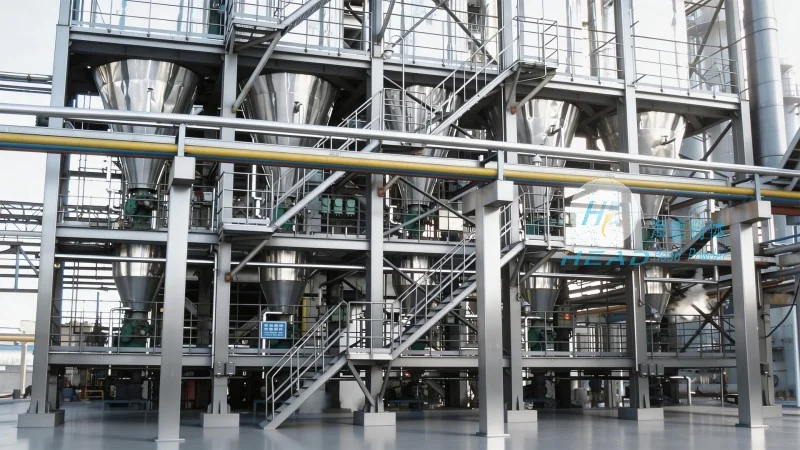
Implementing pneumatic conveying systems for carbon black and coal powder offers several advantages over traditional mechanical methods. These include reduced material degradation due to minimal contact with equipment, improved safety by eliminating the need for manual handling, and enhanced process control through automated systems. Additionally, pneumatic conveyors can handle materials with varying properties, making them suitable for diverse industrial applications, from manufacturing to power generation. The flexibility of these systems allows for easy integration with existing production lines, minimizing disruption during installation and operation.
Conclusion
HeadPowder's pneumatic conveying systems provide an efficient and reliable solution for the transportation of carbon black and coal powder materials. By understanding the operational process and working principles of these systems, industrial clients can optimize their material handling processes, reduce costs, and improve overall productivity. With a strong presence in Shandong, China, HeadPowder continues to innovate and deliver high-quality engineering solutions tailored to the unique needs of the carbon black and coal powder industries.