

Operation Process and Working Principle of Hydraulic Lime Powder Material Pneumatic Conveying
Hydraulic lime powder material pneumatic conveying systems represent a sophisticated approach to material handling, particularly for industries dealing with fine powders like hydraulic lime. These systems are designed to efficiently transport bulk materials through a network of pipes using a combination of air and pressure. The process involves several key components and operational steps that ensure reliable and consistent material movement. Understanding the operation process and working principles of such systems is crucial for optimizing performance and maintaining system efficiency.
Key Components of Pneumatic Conveying Systems for Hydraulic Lime
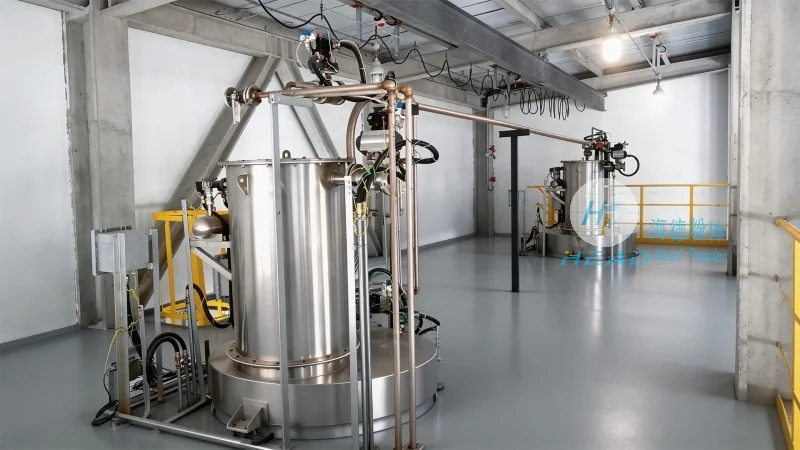
The core components of a hydraulic lime powder pneumatic conveying system typically include a material feeder, a conveying line (often with multiple branches), a dust collector or filter system, and a control unit. The material feeder is responsible for introducing the hydraulic lime powder into the system at a controlled rate, ensuring a steady flow. The conveying line, usually made of durable materials like stainless steel or high-density polyethylene, transports the material through the system. The dust collector or filter system is essential for maintaining air quality and preventing dust accumulation, which is critical for both safety and system longevity. The control unit manages the entire operation, regulating air pressure, material feed rate, and system flow to maintain optimal performance.
Operation Process of Hydraulic Lime Powder Pneumatic Conveying
The operation process begins with the hydraulic lime powder being fed into the system through the material feeder. The feeder ensures a consistent and controlled feed rate, which is crucial for preventing blockages and maintaining system stability. Once the material is introduced, it is mixed with the conveying air, which is typically supplied by a positive displacement blower or a rotary lobe pump. The air, under pressure, carries the lime powder particles through the conveying line. The system may include multiple branches or bends, which are designed to handle changes in direction or elevation. As the material travels through the line, it reaches the destination point, such as a storage silo or processing unit. The air, now carrying the material, passes through a dust collector or filter, where the powder is separated from the air and collected in a hopper. The cleaned air is then discharged back into the environment or recirculated if necessary.
Working Principle of Hydraulic Lime Powder Pneumatic Conveying
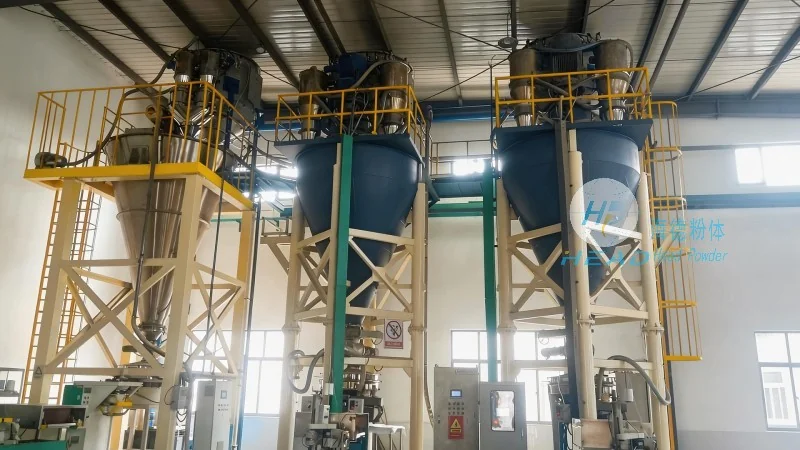
The working principle of hydraulic lime powder pneumatic conveying systems is based on the principle of fluidization and pneumatic transport. The system uses compressed air to create a flow that lifts and transports the fine powder particles. The key is to maintain a sufficient air velocity to keep the particles suspended and prevent them from settling or clogging the system. The pressure differential between the inlet and outlet of the conveying line drives the material forward. The design of the system, including the size and shape of the pipes, the angle of the branches, and the type of feeder, all contribute to the efficiency of the conveying process. Proper maintenance and regular cleaning of the system components are essential to ensure consistent performance and prevent operational issues.
Benefits and Applications of Hydraulic Lime Powder Pneumatic Conveying
Hydraulic lime powder pneumatic conveying systems offer several advantages over traditional material handling methods. They provide a dust-free and clean operation, which is important for maintaining a safe working environment and complying with environmental regulations. The systems are also highly flexible, allowing for easy integration into existing production lines and the ability to transport materials over long distances or through multiple stages of processing. These systems are commonly used in industries such as construction, where hydraulic lime is a key component in cement and mortar production. The ability to handle fine powders efficiently and reliably makes them ideal for applications where precision and consistency are critical.
Maintenance and Best Practices for Hydraulic Lime Powder Pneumatic Conveying Systems
Proper maintenance is essential to ensure the long-term performance and reliability of hydraulic lime powder pneumatic conveying systems. Regular inspection of the material feeder and conveying line for any signs of wear or blockage is recommended. The dust collector or filter system should be cleaned or replaced as needed to maintain air quality and prevent clogging. The control unit should be checked for proper operation and calibration to ensure that the system is running at optimal settings. It is also important to monitor the air pressure and flow rates to detect any changes that may indicate a problem. Following these best practices will help to extend the life of the system and minimize downtime.
About Shandong HeadPowder Engineering Co., Ltd.
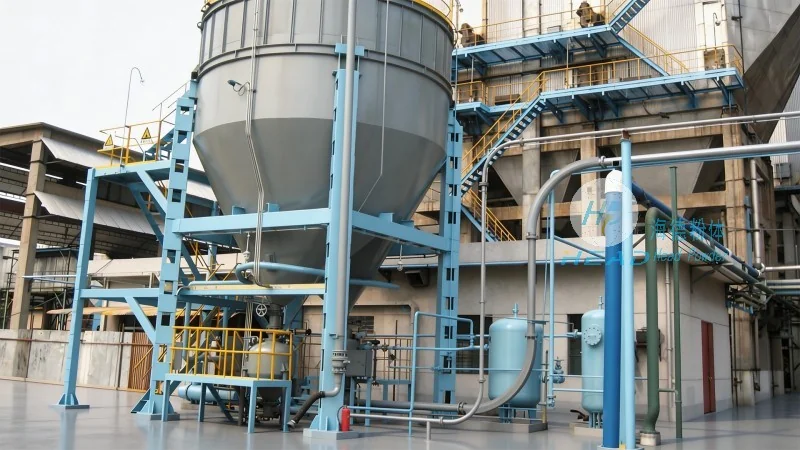
Shandong HeadPowder Engineering Co., Ltd., operating under the brand name headpowder, is a leading manufacturer and supplier of pneumatic conveying systems and related equipment. With a focus on innovation and quality, the company has developed advanced solutions for material handling in various industries. Headpowder specializes in designing and manufacturing systems tailored to the specific needs of clients, ensuring that their products meet the highest standards of performance and reliability. The company's commitment to customer satisfaction and technical excellence has made it a trusted partner for businesses worldwide.
Contact Information
HeadPowder is located in Shandong, China, and serves clients globally with its advanced pneumatic conveying solutions. The company's headquarters is situated in the heart of the industrial region, providing easy access to major transportation routes and logistics facilities. For more information about hydraulic lime powder pneumatic conveying systems or other material handling solutions, please contact HeadPowder directly.