

Operation Process and Working Principle of Air Conveying for Nitrile Rubber Materials
HeadPowder, a leading engineering firm based in Shandong, China, specializes in the design, installation, and maintenance of air conveying systems tailored for handling nitrile rubber materials. This article provides a detailed overview of the operational process and underlying principles of such systems, highlighting their efficiency and reliability in industrial applications.
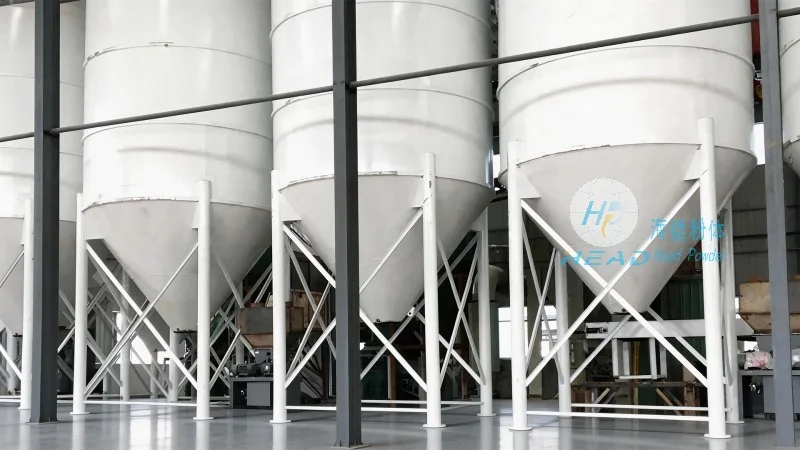
Understanding Air Conveying Systems for Nitrile Rubber
At HeadPowder, we recognize that the effective handling of nitrile rubber—known for its excellent resistance to oil, fuel, and other chemicals—requires specialized equipment. Air conveying systems offer a non-contact, low-cost method to transport these materials from one location to another, minimizing product contamination and wear on equipment. Our systems are engineered to meet the unique challenges posed by nitrile rubber, ensuring smooth and consistent material flow.
The Operational Process of Nitrile Rubber Air Conveying
The operation of an air conveying system for nitrile rubber typically involves several key steps. First, the nitrile rubber material is fed into the system, often through a hopper or feeder. The material is then drawn into the conveying line by a vacuum or pressure source, depending on the system design. As the material travels through the pipeline, it is propelled by the airflow, which can be either positive pressure (blowing air) or negative pressure (suction). The system is equipped with appropriate components such as rotary valves, filters, and silencers to manage the material flow and control air pressure.
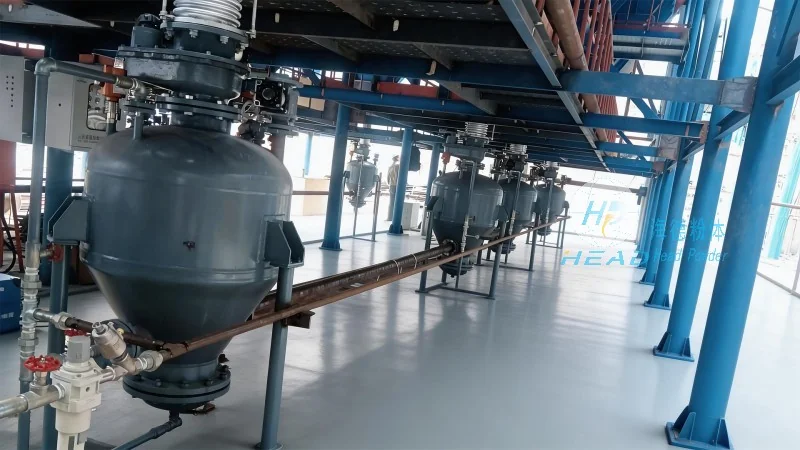
Working Principle of Air Conveying for Nitrile Rubber
The core principle of air conveying for nitrile rubber is the use of air as the conveying medium to transport the material. In a positive pressure system, a blower or compressor generates high-pressure air that pushes the material through the pipeline. The air flow is controlled to maintain a consistent velocity, ensuring that the nitrile rubber particles move without clogging or degradation. In a negative pressure system, a vacuum pump creates a low-pressure environment that pulls the material into the pipeline. Both systems rely on the principle of fluid dynamics to achieve efficient material transport. HeadPowder’s systems are designed to optimize air velocity and pressure to match the specific characteristics of nitrile rubber, such as particle size, density, and moisture content.
Key Components and Their Roles in Nitrile Rubber Air Conveying
Several critical components work together to ensure the smooth operation of an air conveying system for nitrile rubber. The feed hopper is the first component, where the nitrile rubber is stored and metered into the system. The rotary valve then regulates the flow of material into the conveying line, preventing backflow and ensuring a steady supply. The conveying line itself is typically made of materials resistant to nitrile rubber, such as stainless steel or special plastics, to avoid chemical reactions or material degradation. The air filter is essential to remove dust and debris from the air, protecting the system and maintaining air quality. Finally, the discharge silencer reduces noise generated by the airflow, making the system suitable for industrial environments.
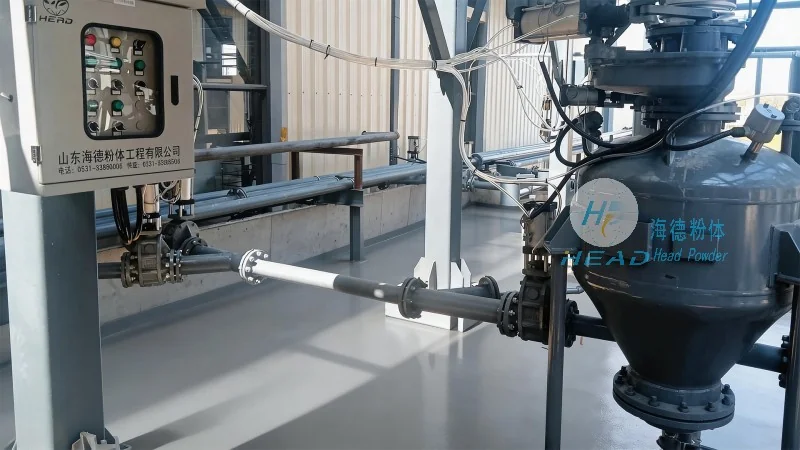
Advantages of Using Air Conveying for Nitrile Rubber Handling
Implementing air conveying systems for nitrile rubber offers numerous advantages over traditional methods like belt conveyors or bucket elevators. First, it eliminates the need for physical contact between the material and equipment, reducing the risk of contamination and wear. This is particularly important for nitrile rubber, which is often used in applications requiring high purity. Second, air conveying systems are more flexible and can handle materials with varying particle sizes and shapes. They can also be easily integrated into existing production lines, minimizing downtime during installation. Third, these systems are energy-efficient, as they use less power compared to mechanical conveyors. Finally, air conveying reduces labor costs by automating the material handling process, allowing workers to focus on other tasks.
HeadPowder’s Expertise in Nitrile Rubber Air Conveying
As a company based in Shandong, China, HeadPowder Engineering Co., Ltd. has extensive experience in designing and implementing air conveying systems for nitrile rubber. Our team of engineers and technicians understands the unique properties of nitrile rubber and tailors each system to meet the specific needs of our clients. We use advanced technology and high-quality materials to ensure that our systems are durable, reliable, and efficient. Our services include system design, installation, commissioning, and maintenance, providing a comprehensive solution for nitrile rubber handling. We pride ourselves on our ability to deliver systems that meet or exceed industry standards, ensuring that our clients achieve optimal performance and cost savings.